
ZiPS 2026 Movers and Shakers: Pitchers
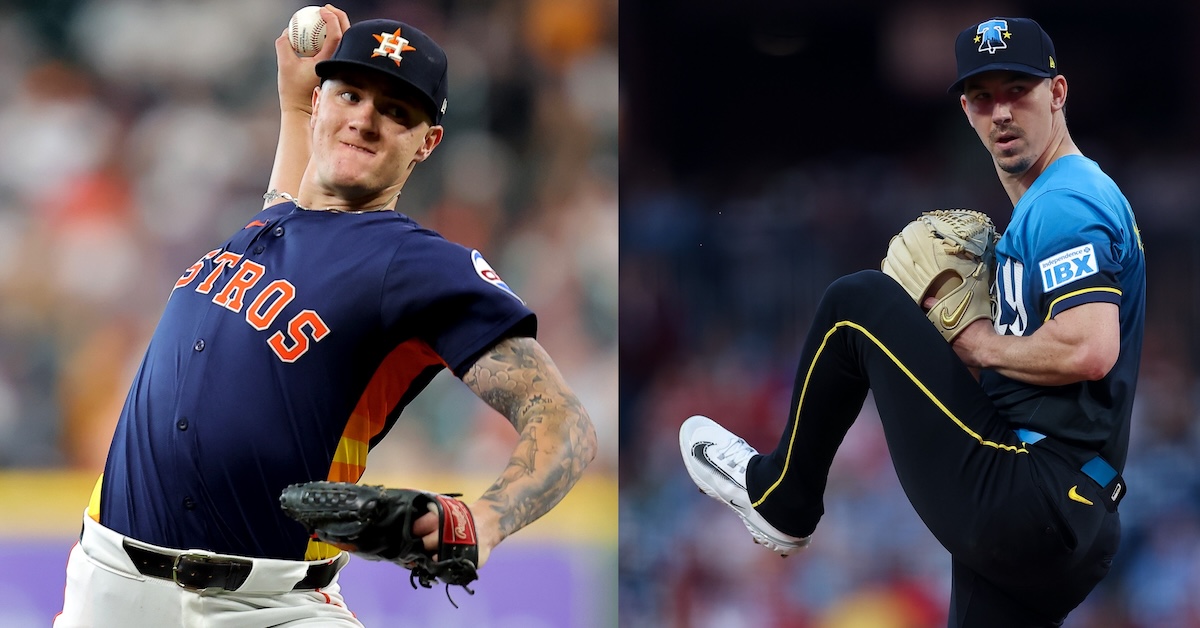
One of the things that people like to ask me about when it comes to the ZiPS projections is how they change over time. While knowing what the projections are now is, of course, highly useful, it’s also interesting to see who has changed the most in the algorithms, since they basically represent the players who we should feel differently about compared to how we did before. Knowing how changes in a player affect performance models can also reveal an interesting fact or two about how players develop and age.
After running through the hitters who have gained and declined the most in my piece yesterday, today I’ll look at the pitchers who have done the same. The methodology I’ve chosen here is a simple one: I’m ranking the difference in 2026 WAR as it’s projected now compared to what it was as of Opening Day 2025. For the decliners, I didn’t include the off-the-radar types. While it’s good to know if a fringe High-A prospect hit a wall at Double-A, it’s more impactful to see the declines among the more roster-relevant players than the poor fellow who saw his -1.0 WAR projection slip to -2.5 WAR. Also left out were guys whose decline in WAR is mostly the result of a major arm injury. It’s worth noting that there will be slight differences between ZiPS WAR and the WAR recorded here on FanGraphs. There are a few methodological differences that can move a few runs here or there, with the most notable being that ZiPS doesn’t purely use FIP, but rather estimates how much of an ERA-FIP discrepancy is attributable to the pitcher based on their history of outperforming or underperforming their defenses.
I’ll start with the gainers, diving deeper on a few of the standouts:
In 2024, I included Hunter Brown in my annual Booms and Busts column, and while he did break out that season, he has basically experienced a second breakout last year, going from a good pitcher to a legitimate Cy Young contender. There’s a lot to love about Brown — he misses bats, he doesn’t walk guys, and he’s difficult to hit hard — and nothing really to dislike. There are no hidden spiders lurking in the Statcast data to give you a jump scare, either. At this point, Brown is probably the most irreplaceable member of the Houston Astros, and if he doesn’t fit your definition of a legitimate ace, then there might only be one or two of them in baseball:
| Year | W | L | ERA | G | GS | IP | H | ER | HR | BB | SO | ERA+ | WAR |
|---|---|---|---|---|---|---|---|---|---|---|---|---|---|
| 2026 | 13 | 6 | 3.06 | 30 | 28 | 167.7 | 138 | 57 | 16 | 55 | 178 | 136 | 4.1 |
| 2027 | 12 | 7 | 3.12 | 29 | 27 | 164.7 | 138 | 57 | 16 | 51 | 171 | 134 | 3.9 |
| 2028 | 12 | 7 | 3.20 | 28 | 26 | 163.3 | 139 | 58 | 17 | 50 | 166 | 130 | 3.7 |
| 2029 | 11 | 7 | 3.27 | 28 | 26 | 157.0 | 137 | 57 | 17 | 48 | 156 | 128 | 3.4 |
| 2030 | 11 | 7 | 3.31 | 28 | 26 | 155.0 | 138 | 57 | 17 | 48 | 150 | 126 | 3.2 |
Jacob deGrom is the only pitcher who made this list primarily due to improved health, but I’m going to allow it, as we shouldn’t ignore what a few good late-career seasons would to do to buttress his Hall of Fame chances. Honestly, just adding some bulk to his stats and innings would do a lot; while the electorate has changed greatly in the last decade and will continue to do so, I’m not sure 75% of the voters would want to induct a starting pitcher with fewer than 100 wins. I mean, I still would have voted for him, but I’m weird. deGrom has dialed things back slightly in order to stay healthy, and so far it has been a good tradeoff; plus, he’s still throwing harder than the vast majority of pitchers out there:
| Year | W | L | ERA | G | GS | IP | H | ER | HR | BB | SO | ERA+ | WAR |
|---|---|---|---|---|---|---|---|---|---|---|---|---|---|
| 2026 | 10 | 7 | 3.48 | 26 | 26 | 144.7 | 119 | 56 | 20 | 35 | 154 | 114 | 2.6 |
| 2027 | 9 | 7 | 3.78 | 24 | 24 | 131.0 | 115 | 55 | 20 | 34 | 132 | 105 | 1.8 |
| 2028 | 7 | 7 | 4.14 | 21 | 21 | 115.3 | 107 | 53 | 19 | 33 | 111 | 96 | 1.1 |
The 2025 season saw Cristopher Sánchez take over as the ace of the Phillies’ rotation. Sánchez’s improvement was fairly consistent across the board, and it was supported by Statcast data. Especially interesting was his contact rate, which could support an even higher K/9 rate than the career-high 9.45 he posted last year, and didn’t come at the expense of anything else:
| Year | W | L | ERA | G | GS | IP | H | ER | HR | BB | SO | ERA+ | WAR |
|---|---|---|---|---|---|---|---|---|---|---|---|---|---|
| 2026 | 10 | 6 | 3.28 | 29 | 29 | 178.3 | 162 | 65 | 16 | 42 | 172 | 135 | 4.1 |
| 2027 | 10 | 5 | 3.36 | 28 | 28 | 171.3 | 158 | 64 | 16 | 40 | 161 | 131 | 3.8 |
| 2028 | 9 | 6 | 3.50 | 27 | 27 | 164.7 | 158 | 64 | 17 | 38 | 151 | 126 | 3.4 |
| 2029 | 8 | 6 | 3.66 | 27 | 27 | 155.0 | 153 | 63 | 17 | 36 | 139 | 121 | 3.0 |
| 2030 | 8 | 6 | 3.88 | 27 | 27 | 150.7 | 153 | 65 | 18 | 36 | 132 | 114 | 2.6 |
Garrett Crochet put up a Cy Young-esque season in 2024, but naturally, a projection system is going to be a bigger believer in a pitcher when he does something like that twice. Pitchers always come with injury risk, but getting through two healthy seasons does have real predictive value for guys coming off of serious injuries. By the end of his Red Sox contract, ZiPS thinks that Crochet will be around the level of Jon Lester and Mel Parnell in the Red Sox southpaw pecking order:
| Year | W | L | ERA | G | GS | IP | H | ER | HR | BB | SO | ERA+ | WAR |
|---|---|---|---|---|---|---|---|---|---|---|---|---|---|
| 2026 | 15 | 6 | 2.78 | 30 | 30 | 184.3 | 152 | 57 | 18 | 49 | 230 | 150 | 5.0 |
| 2027 | 14 | 7 | 2.90 | 29 | 29 | 180.0 | 152 | 58 | 18 | 47 | 218 | 144 | 4.7 |
| 2028 | 14 | 6 | 3.01 | 28 | 28 | 176.7 | 153 | 59 | 18 | 45 | 209 | 139 | 4.4 |
| 2029 | 13 | 7 | 3.13 | 28 | 28 | 167.0 | 149 | 58 | 18 | 43 | 192 | 134 | 3.9 |
| 2030 | 13 | 7 | 3.22 | 28 | 28 | 165.0 | 151 | 59 | 18 | 42 | 184 | 130 | 3.7 |
After a phenomenal debut for the Pirates in 2024, Skenes basically did it again in 2025, in 50 more big league innings, and with basically no meaningful regression toward the mean. ZiPS never hated Skenes or anything, but now it loves him even more than it did a year ago. Add in his age and contract situation, and he’s the most valuable pitcher in baseball:
| Year | W | L | ERA | G | GS | IP | H | ER | HR | BB | SO | ERA+ | WAR |
|---|---|---|---|---|---|---|---|---|---|---|---|---|---|
| 2026 | 13 | 6 | 2.76 | 32 | 32 | 179.7 | 143 | 55 | 16 | 46 | 204 | 152 | 5.0 |
| 2027 | 13 | 6 | 2.77 | 33 | 33 | 185.0 | 146 | 57 | 16 | 44 | 205 | 151 | 5.0 |
| 2028 | 12 | 7 | 2.81 | 32 | 32 | 185.7 | 148 | 58 | 16 | 42 | 202 | 149 | 5.0 |
| 2029 | 12 | 7 | 2.84 | 32 | 32 | 180.7 | 146 | 57 | 17 | 40 | 194 | 147 | 4.8 |
| 2030 | 12 | 7 | 2.92 | 32 | 32 | 181.7 | 149 | 59 | 17 | 38 | 191 | 143 | 4.7 |
While ZiPS doesn’t think Andrew Abbott is a potential ace, it’s fairly confident that he’s a reasonable no. 2 starter, with some upside remaining in his strikeout rate. He has been the ninth-best pitcher in the majors the last two seasons (minimum 200 combined innings) in hard-hit percentage against, which has enabled him to survive in a very good home run-hitting park and without a great offspeed pitch to befuddle righties:
| Year | W | L | ERA | G | GS | IP | H | ER | HR | BB | SO | ERA+ | WAR |
|---|---|---|---|---|---|---|---|---|---|---|---|---|---|
| 2026 | 9 | 8 | 3.80 | 30 | 30 | 166.0 | 156 | 70 | 20 | 48 | 148 | 112 | 3.0 |
| 2027 | 9 | 7 | 3.83 | 29 | 29 | 157.3 | 152 | 67 | 19 | 44 | 138 | 111 | 2.7 |
| 2028 | 8 | 7 | 3.87 | 28 | 28 | 153.7 | 152 | 66 | 19 | 43 | 133 | 110 | 2.6 |
| 2029 | 8 | 7 | 3.90 | 28 | 28 | 145.3 | 147 | 63 | 19 | 41 | 123 | 109 | 2.4 |
| 2030 | 8 | 7 | 4.02 | 28 | 28 | 143.3 | 148 | 64 | 19 | 41 | 119 | 106 | 2.2 |
Before we turn to the decliners, some rapid fire thoughts on the remaining gainers. Nolan McLean probably won’t match the numbers he put up in his first eight starts with the Mets this year, but that’s no reason to be skeptical of him. He improved across a full season in the high minors, facing little resistance from opposing hitters at Triple-A. We could very well be talking about McLean as a Cy Young contender in short order, mirroring Hunter Brown’s trajectory. Shane Smith was one of the highlights on a White Sox team that you probably didn’t watch much otherwise. With his velocity ticking up another notch in his first professional season as a full-time starter, and a changeup that seems almost cruel when it’s working, he’s a legitimate no. 2 starter with room to improve even further. Jesus Lúzardo’s sinker has become a real weapon, and his stats bounced back after an injury-riddled 2024 season. He looks set to get a pretty sizable pay day a year from now, lockout willing.
A sudden dip in strikeout rate from an older pitcher frequently spells imminent misfortune, but Merrill Kelly arrested that decline a bit, and should have at least another year or two as a decent mid-rotation option. ZiPS would still like to see Jacob Misiorowski lose another walk per nine off his stat line, and he may do just that; his 42% first-strike percentage improved to 51% at Triple-A in 2025, and then averaged nearly 58% for the Brewers. ZiPS sees a command collapse as a lot less likely than it did a year ago. Matthew Boyd was shockingly good in eight starts for the Guardians at the end of 2024, and though he didn’t post 10 strikeouts per game again in 2025, he was still good enough be a phenomenal bargain for the Cubs on a two-year, $29.5 million deal. If you believe ZiPS, he’s also pretty important, as the computer sees the Cubs’ rotation depth as one of the things that could stop them in their attempt to knock off the Brewers in the NL Central.
ZiPS knows enough to look at a minor league command pitcher with a healthy dose of skepticism, but Mitch Bratt’s control is so good, and he does miss bats, so the computer thinks there’s a decent chance that he’ll be its next control pitcher obsession after Dean Kremer. Adrian Houser is probably the most puzzling guy on this list for me, as he seems to struggle with a lot of the things ZiPS cares about; he doesn’t throw hard or miss bats, and he can get hit pretty hard. But ZiPS is designed to be more accepting over time when players consistently outperform their peripheral data, as Houser has done in all but his 2024 season. Jack Leiter didn’t dominate last season by any means, but he showed he’s a reasonable mid-rotation option, and he’s still kind of raw, meaning there’s upside left here.
I’m going to talk more briefly about the decliners than the improvers. After all, spring should be about hope, not depression, and there really aren’t any big surprises on this list:
ZiPS was holding out hope for Walker Buehler after a so-so comeback in 2024, but after a 2025 season in which he lost another strikeout per game, added another walk, and saw another tick of velocity evaporate into the Jered Weaver great beyond, ZiPS has gotten to the point where it’s noping out of expecting big things from him in 2026. You know you’re not having a good season when your team cuts you loose in the middle of a hot postseason race. Buehler’s numbers were so poor that I’m not sure he’s going to even have an easy time getting a pillow contract for 2026:
| Year | W | L | ERA | G | GS | IP | H | ER | HR | BB | SO | ERA+ | WAR |
|---|---|---|---|---|---|---|---|---|---|---|---|---|---|
| 2026 | 6 | 7 | 4.89 | 22 | 20 | 105.0 | 111 | 57 | 16 | 42 | 83 | 85 | 0.5 |
| 2027 | 5 | 7 | 4.93 | 20 | 18 | 95.0 | 102 | 52 | 14 | 39 | 73 | 85 | 0.4 |
| 2028 | 5 | 6 | 5.08 | 19 | 17 | 88.7 | 98 | 50 | 14 | 38 | 67 | 82 | 0.2 |
| 2029 | 4 | 5 | 5.24 | 15 | 13 | 67.0 | 75 | 39 | 11 | 31 | 49 | 80 | 0.0 |
| 2030 | 3 | 4 | 5.57 | 11 | 10 | 51.7 | 60 | 32 | 9 | 25 | 37 | 75 | -0.1 |
Unlike a lot of the pitchers on this list, ZiPS still believes in Quinn Mathews’ future, and his higher percentile projections are still very good. He remained damned hard to make contact against in 2025, but it’s very difficult to survive walking nearly 20% of the batters you face. With a first-strike percentage down in the low 40s, that brutal walk rate wasn’t flukey, either:
| Year | W | L | ERA | G | GS | IP | H | ER | HR | BB | SO | ERA+ | WAR |
|---|---|---|---|---|---|---|---|---|---|---|---|---|---|
| 2026 | 5 | 6 | 4.37 | 24 | 24 | 101.0 | 93 | 49 | 12 | 54 | 99 | 94 | 0.9 |
| 2027 | 5 | 6 | 4.15 | 24 | 24 | 102.0 | 91 | 47 | 11 | 51 | 100 | 99 | 1.2 |
| 2028 | 5 | 6 | 4.04 | 24 | 24 | 104.7 | 92 | 47 | 10 | 50 | 102 | 101 | 1.4 |
| 2029 | 6 | 5 | 3.89 | 24 | 24 | 104.0 | 91 | 45 | 10 | 48 | 100 | 105 | 1.5 |
| 2030 | 6 | 5 | 3.88 | 24 | 24 | 104.3 | 91 | 45 | 9 | 47 | 99 | 106 | 1.6 |
ZiPS always had Roki Sasaki done for a less sterling forecast than fellow NPB transplants Yoshinobu Yamamoto and Shota Imanaga, but he turned out to be even more raw than the projections expected. There’s still a great deal of upside here, but it might take a while for the Dodgers to really find it:
| Year | W | L | ERA | G | GS | IP | H | ER | HR | BB | SO | ERA+ | WAR |
|---|---|---|---|---|---|---|---|---|---|---|---|---|---|
| 2026 | 5 | 4 | 4.11 | 22 | 16 | 85.3 | 76 | 39 | 12 | 29 | 98 | 104 | 1.3 |
| 2027 | 6 | 4 | 3.95 | 25 | 18 | 98.0 | 86 | 43 | 13 | 31 | 109 | 109 | 1.6 |
| 2028 | 6 | 5 | 4.00 | 27 | 19 | 108.0 | 94 | 48 | 14 | 33 | 116 | 107 | 1.7 |
| 2029 | 6 | 5 | 4.01 | 28 | 19 | 107.7 | 94 | 48 | 14 | 33 | 113 | 107 | 1.7 |
| 2030 | 6 | 5 | 4.07 | 28 | 19 | 108.3 | 95 | 49 | 14 | 32 | 111 | 106 | 1.6 |
After a successful initial return from Korea, the Cardinals hoped Erick Fedde would continue to be a solid no. 2/3 starter who could eat 160-180 innings. Instead, Fedde’s 2025 was an almost unmitigated disaster, with his strikeout rate plummeting and his walk rate nearly doubling. The Statcast data don’t offer any silver linings:
| Year | W | L | ERA | G | GS | IP | H | ER | HR | BB | SO | ERA+ | WAR |
|---|---|---|---|---|---|---|---|---|---|---|---|---|---|
| 2026 | 6 | 10 | 5.18 | 26 | 22 | 125.0 | 135 | 72 | 20 | 49 | 91 | 79 | 0.3 |
| 2027 | 5 | 9 | 5.40 | 22 | 19 | 106.7 | 119 | 64 | 18 | 44 | 76 | 76 | 0.0 |
| 2028 | 4 | 8 | 5.73 | 19 | 16 | 92.7 | 107 | 59 | 17 | 41 | 64 | 71 | -0.3 |
| 2029 | 2 | 6 | 6.22 | 14 | 11 | 63.7 | 77 | 44 | 13 | 32 | 43 | 66 | -0.5 |
| 2030 | 2 | 4 | 6.65 | 10 | 8 | 47.3 | 61 | 35 | 11 | 26 | 31 | 62 | -0.7 |
Sandy Alcantara has the privilege of being the best projected pitcher on the decliners list, as the computer still expects him to be league average in 2026. While he was a lot better than his 5.36 ERA indicated, Alcantara’s return from Tommy John surgery did not go smoothly, so there is significant risk here. I’m actually hopeful that he can comfortably beat his projections. He’s still a target to be traded, but I’m not sure a contender is the best fit for him, at least not one that would really need him to return to his form from a few years ago:
| Year | W | L | ERA | G | GS | IP | H | ER | HR | BB | SO | ERA+ | WAR |
|---|---|---|---|---|---|---|---|---|---|---|---|---|---|
| 2026 | 10 | 9 | 3.99 | 26 | 26 | 160.0 | 148 | 71 | 17 | 44 | 130 | 104 | 2.3 |
| 2027 | 9 | 9 | 4.12 | 24 | 24 | 148.7 | 141 | 68 | 16 | 40 | 116 | 101 | 1.9 |
| 2028 | 8 | 8 | 4.20 | 22 | 22 | 139.3 | 135 | 65 | 16 | 38 | 106 | 99 | 1.7 |
| 2029 | 7 | 8 | 4.33 | 20 | 20 | 126.7 | 126 | 61 | 15 | 35 | 94 | 96 | 1.4 |
| 2030 | 7 | 8 | 4.48 | 20 | 20 | 122.7 | 125 | 61 | 15 | 36 | 88 | 93 | 1.1 |
I’ll close with a few thoughts on a few of the more interesting remaining decliners. The computer was hoping that Davis Daniel would develop into a solid, back-of-the-rotation innings-eater given his decent history in the high minors, but he couldn’t even get Triple-A hitters out, which is kind of a useful prerequisite for big leauge success of any kind. Cal Quantrill leaving the Mile High City didn’t do anything to salvage him as an innings-eater, and he only landed a minor league deal this offseason. ZiPS was already projecting a big disappointment from Alexis Díaz in 2025, and he more than fulfilled those expectations, even walking seven batters a game in Triple-A. Neither the Dodgers or Braves had any success fixing him after the Reds threw in the towel, but he’s got at least one more chance remaining after signing a one-year deal with the Rangers.
Dan Szymborski is a senior writer for FanGraphs and the developer of the ZiPS projection system. He was a writer for ESPN.com from 2010-2018, a regular guest on a number of radio shows and podcasts, and a voting BBWAA member. He also maintains a terrible Twitter account at @DSzymborski.
Roki Sasaki had a very challenging season especially with the loss of velocity. By the time he was back in the post season his velocity was back and he looked drastically better. Fingers crossed for 2026 even though I’m not a Dodgers fan.
Wasn’t that at least partly because he got moved to the bullpen?
I know they want him as a starter and they don’t really have an easy replacement for him in their six-man rotation, at least not one who was healthy enough to pitch at all in 2025. But it sure seems like he’s likely to wind up there at this point.
Those are my thoughts. His stuff ticked up in short stints. I would still try him as a starter, but if that doesn’t work out and he’s just a good late-inning reliever, that’s not a terrible outcome.
In general I would predict that if you have a guy who has battled injuries, throws 100, and may not have a third pitch that they will probably be a bullpen weapon and not a starter. I’d say it’s probably 70 / 30 in that direction.
He could still figure it out and the upside of him doing so is huge but I think we know where this is likely to end up. Assuming he doesn’t blow his arm out before he makes the switch.
If the slider doesn’t become at least a credible weapon, that lack of a 3rd pitch is key to me. If you have two 70-80 grade pitches, it can work. But if the stuff ticks down, especially due to injury, it can go south fast (thinking of Strider).
Yeah, Roki’s mechanics were all out of whack. He had a muscle injury prior to the season that threw everything off, and then things were made worse when he tried to develop a slider and he lost his release point. After time in AAA ironing out these issues, he looked much better when returning and throwing out of the bullpen, but his velo started to dip again the deeper into the postseason the Dodgers got, and he still remains a two pitcher with some frustrating control issues. The latest reports indicate he’s ditched the slider for the cutter as a 3rd option, and that his velo is sitting 99-100, but that’s still a bit disappointing considering his subpar fastball shape and considering he was hitting 102-103 3 years ago in Japan. There are about 100 outcomes for Roki that all seem equally viable.
I’m a little surprised that ZiPS projected Crochet for 3.6 WAR after 2024. I would have thought the computer would be more skeptical of him.
Also if you’re going to get comps as a left-handed starter you basically can’t do better than Steve Carlton, Chris Sale, and CC Sabathia. Randy Johnson and Clayton Kershaw are basically the only other left-handed pitchers at the same level or better than those three, unless you believe that Lefty Grove would have pitched just as well if he had to face Josh Gibson and Turkey Stearnes.
There are several Steve Carltons on this list. His slider was a thing of beauty, whereas Randy Johnson’s slider was just scary. Sliders are not normally aesthetic like curves can be.
Andrew Abbott also has Tom Glavine as a comp.
Vida Blue at his peak was as good as Carlton.
If we’re going for peaks then Sandy Koufax is the gold standard for left handers. And then Johnson, Carlton, Sam McDowell, and Kershaw.
But getting a Sabathia and Sale comp is also super nice.
Is Crochet the least likely league IP leader of the last couple of decades? Off the top of my head I can’t think of anyone else. I know that 200 IP isn’t a ton to lead the league with, but I’m still amazed that he actually pitched that many.
He’s gotta be.
Crochet is the right answer. Strasburg in 2019 would probably be the 2nd-best choice for the question.
Cal Eldred in 1993 is another pick. He led the AL with 239 IP, but only surpassed 200 one other time (202 in 1997) and surpassed 150 one more time (177 in the strike-shortened 1994 season).
I thought about Straburg, but he did hit 200 IP once before, and he would fluctuate between 130 and 180 IP otherwise. He isn’t a bad 2nd choice because it was so rare for him to not miss any starts. I also thought about Robbie Ray, but I think 2021 is an outlier year for any IP leader coming off of the COVID-shortened season.
Cal Eldred is a deep cut. I barely remember the guy. His 250 IP in his 1st full season is nuts until you see that he threw 150 AA innings + 100 MLB innings the year before. Different times…
I think the White Sox handled his transition to starting well. There was much made about his second half, but I think the three inning per game limit was better than letting him go the regular amount and shutting him down for September or whatever. His underlying numbers remained strong.
In both years of starting he threw (I’m assuming intentionally) softer to start the season and slowly ramped up. And in 2025 he may have thrown slightly slower than 2024, knowing that he would have more on his plate without the limits.
And he’s a big hoss of a guy.
He is a mountain of a man, watched him dominate at Wrigley Field in 2025, what a dude!
Fedde’s going back to the White Sox and they have… a way. I’ll take the over.