Author Archive

JAWS and the 2026 Hall of Fame Ballot: Bobby Abreu, Torii Hunter, and Jimmy Rollins
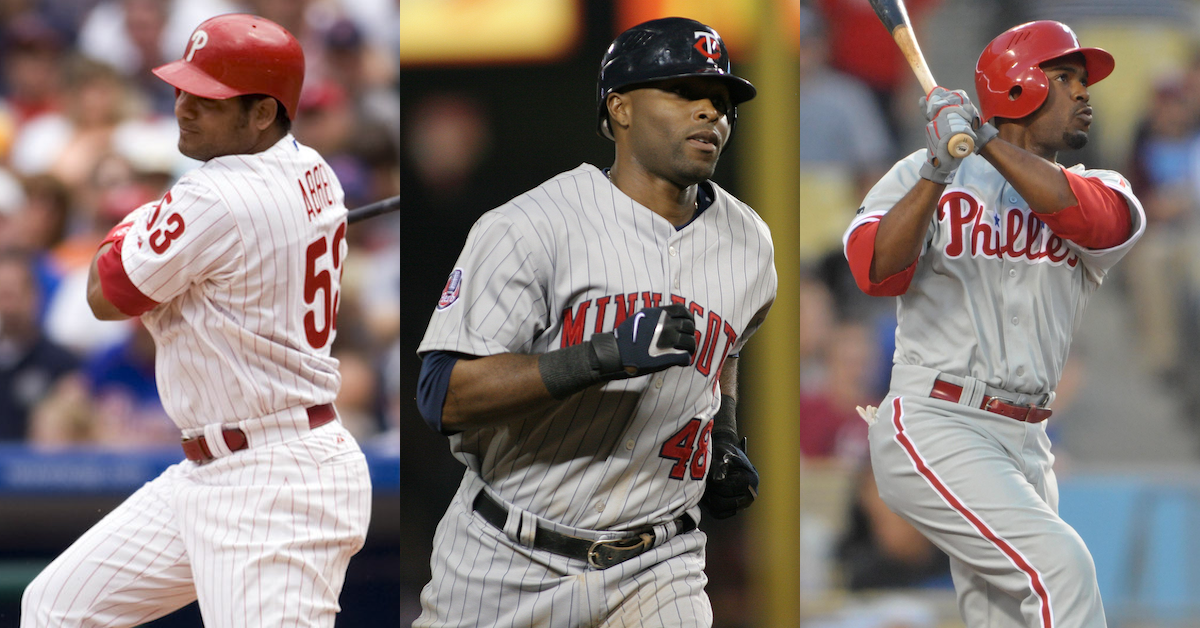
Howard Smith-USA TODAY Sports, Gary A. Vasquez and Kirby Lee-Imagn Images

The following article is part of Jay Jaffe’s ongoing look at the candidates on the BBWAA 2026 Hall of Fame ballot. For a detailed introduction to this year’s ballot, and other candidates in the series, use the tool above; an introduction to JAWS can be found here. For a tentative schedule and a chance to fill out a Hall of Fame ballot for our crowdsourcing project, see here. All WAR figures refer to the Baseball Reference version unless otherwise indicated.

For the past several election cycles, as a means of completing my coverage of the major candidates before the December 31 voting deadline, I’ve grouped together some candidates into a single overview, inviting readers wishing to (re)familiarize themselves with the specifics of their cases to check out older profiles that don’t require a full re-working because very little has changed, even with regards to their voting shares. This year, I’m adding Bobby Abreu — a candidate for whom I’ve voted five times thus far and intend to include again — to a pair I’ve yet to include on my ballots.

Before Joe Mauer began starring for the Twins, there was Torii Hunter. Before Chase Utley began starring for the Phillies, they had Abreu and Jimmy Rollins. Hunter, a rangy, acrobatic center fielder who eventually won nine Gold Gloves and made five All-Star teams, debuted with Minnesota in 1997 and emerged as a star in 2001, the same year the Twins chose Mauer with the number one pick of the draft. The pair would play together from 2004 to ’07, making the playoffs twice before Hunter departed in free agency. Abreu, a five-tool player with dazzling speed, a sweet left-handed stroke, power, and outstanding plate discipline, quickly blossomed upon being traded to the Phillies in November 1997. But even while hitting at least 20 homers, stealing at least 20 bases, and batting above .300, recognition largely eluded him until he made All-Star teams in 2004 and ’05. Rollins, a compact shortstop who carried himself with a swagger, debuted in 2001 and made two All-Star teams before he and Utley began an 11-year run (2004–14) as the Phillies’ regular double play combination. By the time the pair of middle infielders helped Philadelphia to five NL East titles, two pennants, and a championship — with Rollins winning NL MVP honors in 2007 and taking home four Gold Gloves — Abreu was gone, traded to the Yankees in mid-2006.

All three players enjoyed lengthy and impressive careers, racking up over 2,400 hits apiece with substantial home run and stolen base totals. From a Hall of Fame perspective, Rollins and Hunter have credentials that appeal more to traditionally minded voters than to statheads — particularly their Gold Gloves — while Abreu, despite half a dozen .300 seasons and eight with at least 100 RBI, was a stathead favorite. Regardless, they’ve all spent years languishing on the ballot. Hunter debuted with 9.5% in 2021 but has yet to match that since, scraping by in 2025 with just 5.1%; one fewer vote and he’d have been bumped off the ballot. Rollins debuted with 9.4% in 2022 and has gained roughly two or three points in each cycle since, with 18% in ’25. Abreu barely made the cut with just 5.5% in his 2020 debut, and since then has alternated small gains and losses; he received 19.5% in 2025. Read the rest of this entry »
Mets Continue Their Overhaul by Adding Jorge Polanco

Stephen Brashear-Imagn Images

The remaking of the Mets continues apace. After losing fan favorites Edwin Díaz and Pete Alonso to other teams in free agency last week, the Mets took a step towards replacing the latter by signing switch-hitting infielder Jorge Polanco to a two-year, $40 million deal on Saturday. Though he has almost no experience at first base, the Mets believe he can learn the position well enough for it to be his primary position.

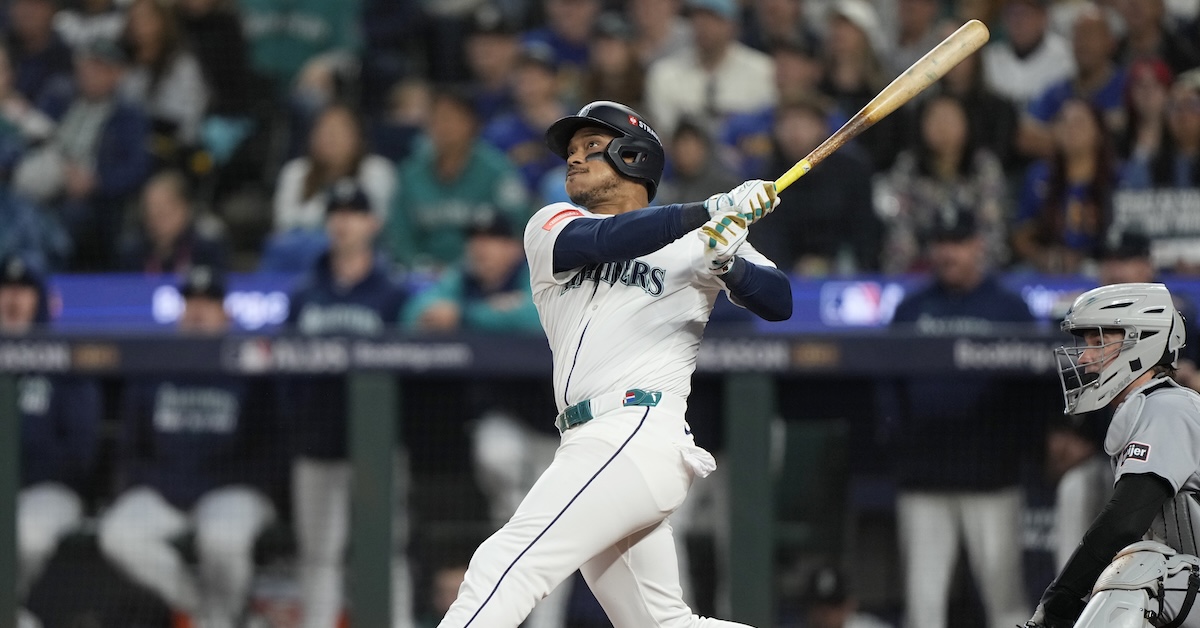
The 32-year-old Polanco probably isn’t the first player anyone thought of as an Alonso replacement, particularly given the bigger-ticket free agents out there and the Mets’ spending power, but he’s coming off a strong season at the plate (.265/.326/.495/, 132 wRC+ with 26 homers) for the Mariners as well as a memorable October. Though he hit just .208/.269/.417 (95 wRC+) in 52 plate appearances during the postseason, his two homers off the Tigers’ Tarik Skubal powered Seattle to a 3-2 win in Game 2 of the Division Series, and his bases-loaded single off Tommy Kahnle in the 15th inning of Game 5 gave the team its first postseason series victory in 24 years. In the ALCS opener against the Blue Jays, he drove in the Mariners’ last two runs with RBI singles in their 3-1 win, then hit a three-run homer off Louis Varland that gave Seattle the lead for good in Game 2. Alas, he went just 2-for-17 the rest of the way as the Mariners fell to the Blue Jays in seven games.

Polanco, who spent the past two seasons with the Mariners and before that parts of 10 seasons with the Twins, has played mainly second base and shortstop during his major league career, though he hasn’t played the latter position since 2022, and the defensive metrics attest that it’s not a good idea anymore. Even at second base, his metrics have descended into the red, to the point that he was primarily a designated hitter last season following an October 2024 surgery to repair his left patellar tendon. He accumulated -2 DRS and -3 FRV in just 287.1 innings at second in 2024, and -1 DRS and -8 FRV in 925.1 innings there the year before. Read the rest of this entry »


JAWS and the 2026 Hall of Fame Ballot: David Wright

Brad Mills-USA TODAY Sports

The following article is part of Jay Jaffe’s ongoing look at the candidates on the BBWAA 2026 Hall of Fame ballot. For a detailed introduction to this year’s ballot, and other candidates in the series, use the tool above; an introduction to JAWS can be found here. For a tentative schedule and a chance to fill out a Hall of Fame ballot for our crowdsourcing project, see here. All WAR figures refer to the Baseball Reference version unless otherwise indicated.

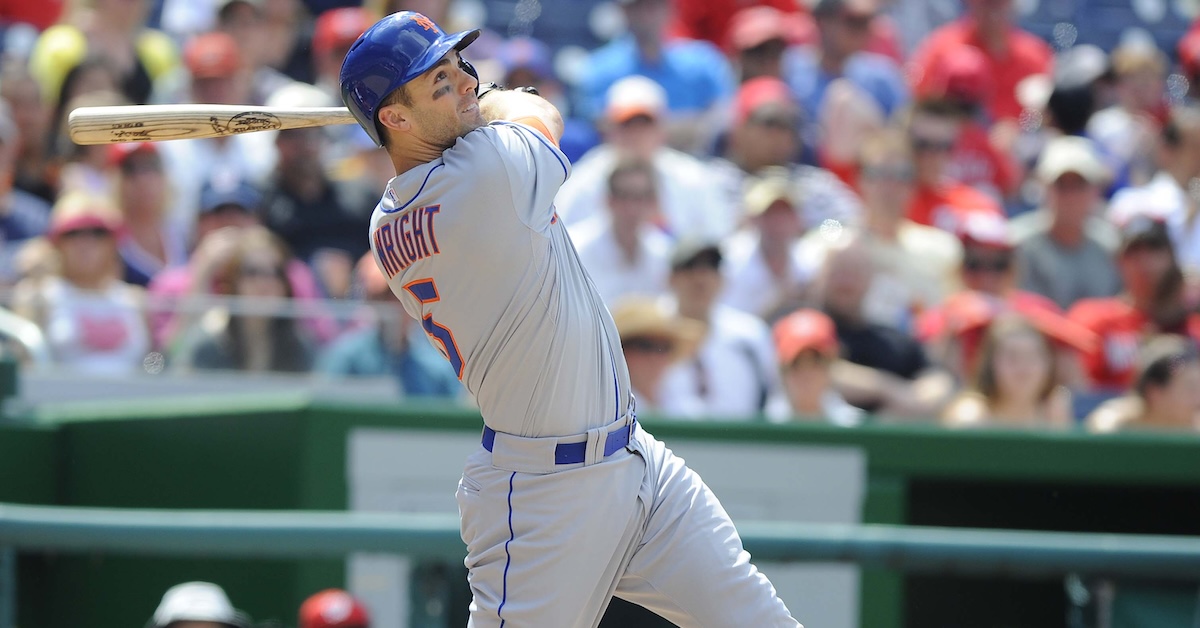
David Wright is the greatest position player in Mets history, a face-of-the-franchise player who holds the team leads in plate appearances, hits, runs, RBI, total bases, walks, and WAR. A first-round pick out of high school in 2001, the Virginia native spent his entire career with the team, making seven All-Star teams, winning two Gold Gloves, and helping the club to a pair of playoff appearances, including its 2015 pennant.

Though he was surrounded by dysfunction in Queens under the late stages of the Wilpon family’s ownership — the financial tight-fistedness in the wake of the owners’ involvement in the Madoff scandal, the endless micromanagement of injuries, the tone-deaf approach when it came to public relations — Wright stood apart from all of that. Charismatic, exceptionally talented on both sides of the ball, with an off-the-charts work ethic, he was the Mets’ answer to Derek Jeter, an icon who avoided scandal, almost invariably said the right thing, and never did anything to embarrass himself or the franchise. Small wonder that he was named team captain in the spring of 2013, and even acquired the nickname “Captain America” while playing for Team USA in that year’s World Baseball Classic. Read the rest of this entry »


Braves Bolster Bullpen by Adding Robert Suarez

Joe Nicholson-Imagn Images

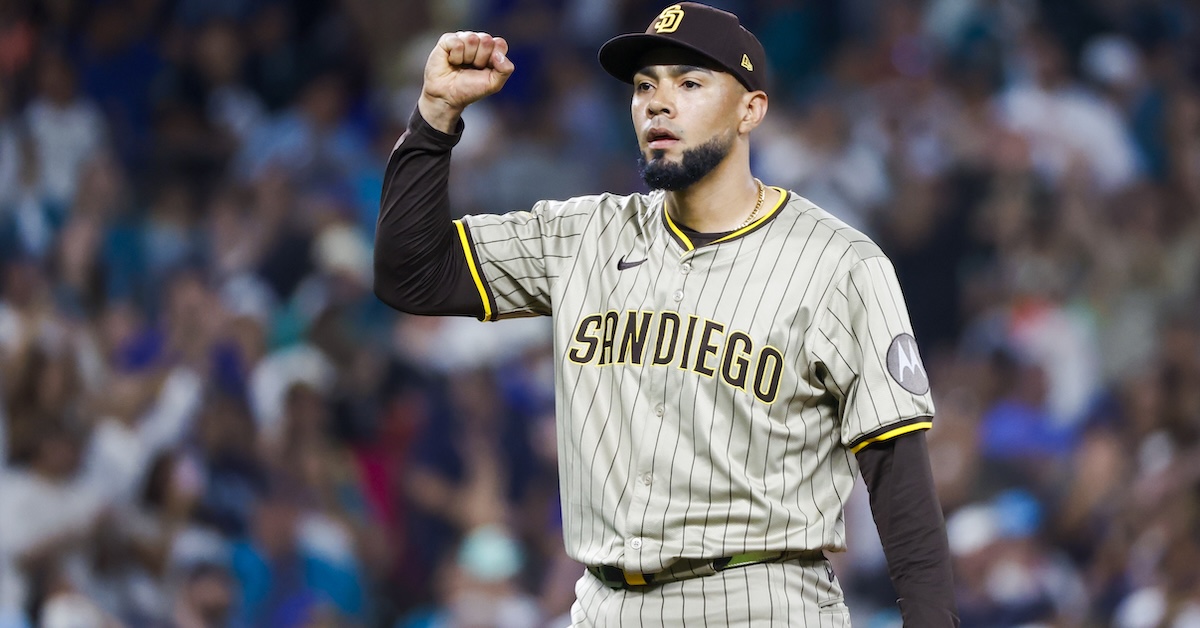
Last month, the Braves retained Raisel Iglesias following a rollercoaster season in which he temporarily lost his closer job before reclaiming it and dominating down the stretch. Mind you, a stretch during which the team was playing out the string on its way to an 86-loss season and a fourth-place finish in the NL East. Now Atlanta has added another late-game reliever in Robert Suarez, who after opting out of his deal with the Padres has agreed to a three-year, $45 million contract with the Braves.

Suarez, who will turn 35 on March 1, spent the past four seasons with the Padres after pitching in Japan from 2016–21, a span interrupted by Tommy John surgery in ’17. After a strong stateside debut in 2022, he rejected a $5 million player option and quickly re-signed with San Diego on a five-year, $46 million contract. That deal paid him $10 million annually from 2023–25 and included performance bonuses as well as a pair of $8 million player options, which he declined after this year’s World Series, allowing him to hit the open market. Reportedly, his new deal pays him $13 million in 2026, with salaries of $16 million in both ’27 and ’28; none of the money is deferred. With that, the Braves currently have the relievers with the fifth- and sixth-highest average annual values in the majors, with only Edwin Díaz ($23 million AAV), Josh Hader ($19 million AAV), Tanner Scott ($18 million AAV), and Devin Williams ($17 million AAV) ahead of Iglesias ($16 million, on a one-year deal) and Suarez ($15 million AAV).

Suarez made the NL All-Star team in both 2024 and ’25 while closing for the Padres, putting up a pair of superficially similar seasons: a 2.77 ERA in 65 innings, with 36 saves (third in the league) in 42 opportunities in the former, and a 2.97 ERA in 69 2/3 innings, with an NL-high 40 saves in 45 opportunities in the latter. Below the surface, his FIP dropped from 3.49 to 2.88, driven by a spike in strikeout rate from 22.9% to 27.9%, and less dramatic drops in his already-low walk rate (from 6.2% to 5.9%) and home run rate (from 0.97 per nine to 0.78). As a result of that improved FIP, his WAR more than doubled, from 0.9 to 1.9. Read the rest of this entry »


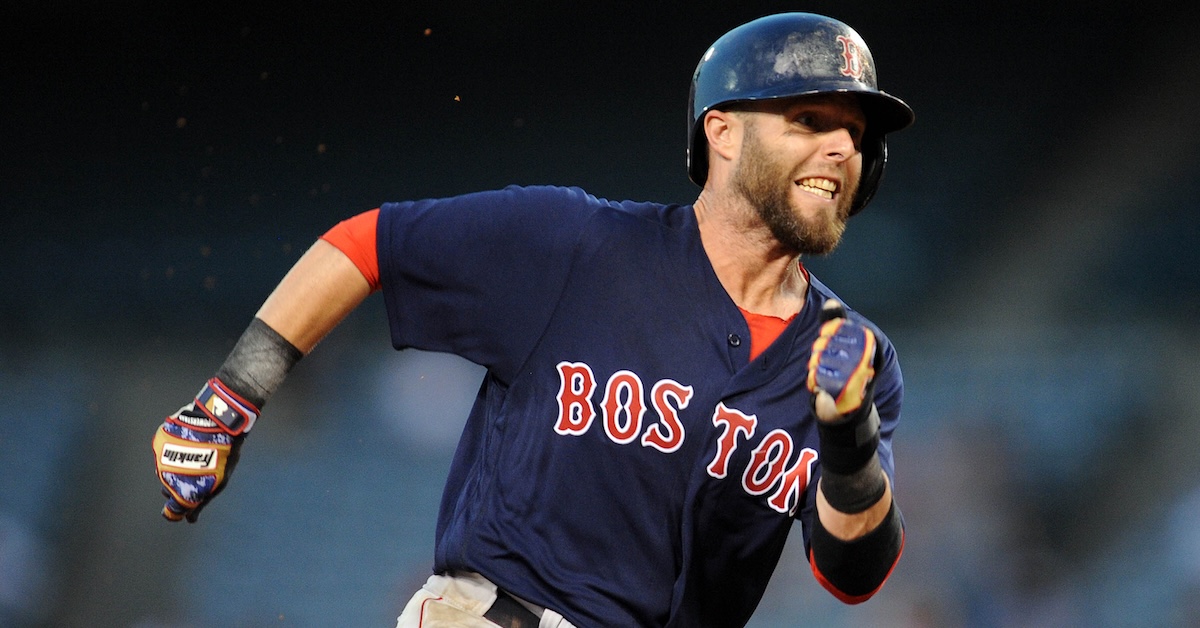
JAWS and the 2026 Hall of Fame Ballot: Dustin Pedroia

Gary A. Vasquez-USA TODAY Sports

The following article is part of Jay Jaffe’s ongoing look at the candidates on the BBWAA 2026 Hall of Fame ballot. For a detailed introduction to this year’s ballot, and other candidates in the series, use the tool above; an introduction to JAWS can be found here. For a tentative schedule, and a chance to fill out a Hall of Fame ballot for our crowdsourcing project, see here. All WAR figures refer to the Baseball Reference version unless otherwise indicated.

Because of his size — officially 5-foot-9 and 170 pounds, but by his own admission, a couple inches shorter — Dustin Pedroia was consistently underestimated. Though he took to baseball as a toddler and excelled all the way through high school and at Arizona State University, scouts viewed him as having below-average tools because of his stature. He barely grazed prospect lists before reaching the majors, but once he settled in, he quickly excelled. He won American League Rookie of the Year honors while helping the Red Sox win the 2007 World Series, then took home the MVP award the next year, when he was just 24.

Over the course of his 14-year career, Pedroia played a pivotal role in helping the Red Sox win one more World Series, made four All-Star teams, and banked four Gold Gloves. Understandably, he became a fan favorite, not only for his stellar play but because of the way he carried himself, radiating self-confidence to the point of cockiness, and always quick with a quip. “Pedie never shuts up, man,” Manny Ramirez told ESPN Magazine’s Jeff Bradley for a 2008 piece called “170 Pounds of Mouth.” Continued Ramirez, “He’s a little crazy. But that’s why we love him. He talks big and makes us all laugh.” Read the rest of this entry »


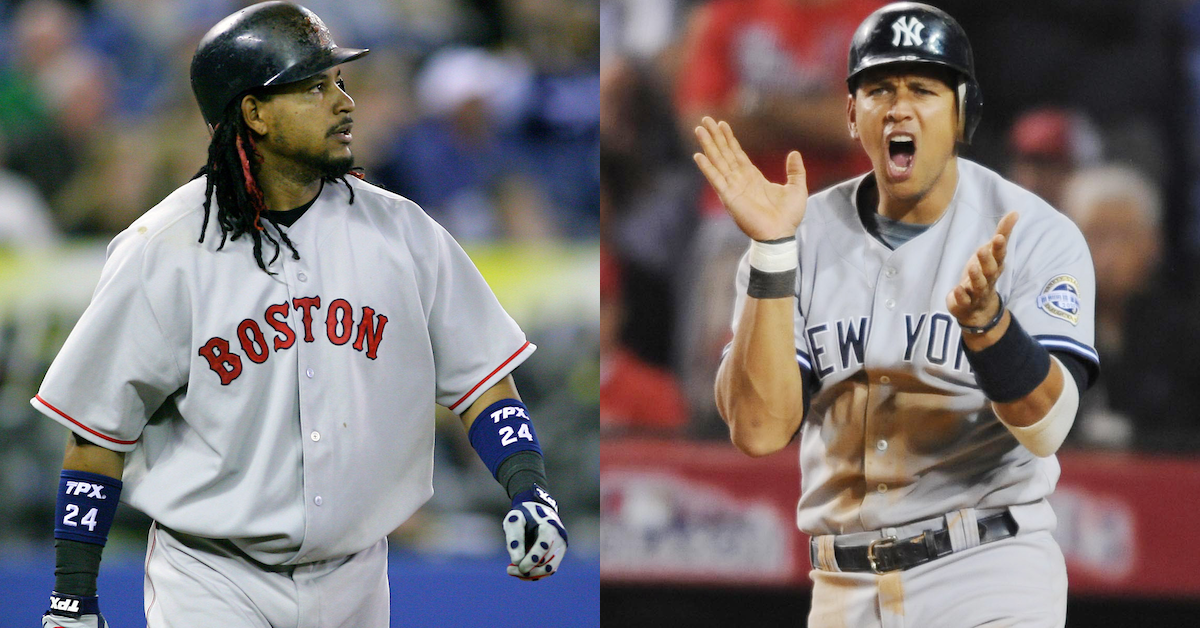
JAWS and the 2026 Hall of Fame Ballot: Manny Ramirez and Alex Rodriguez

Tom Szczerbowski and Christopher Hanewinckel-Imagn Images

The following article is part of Jay Jaffe’s ongoing look at the candidates on the BBWAA 2026 Hall of Fame ballot. For a detailed introduction to this year’s ballot, and other candidates in the series, use the tool above; an introduction to JAWS can be found here. For a tentative schedule and a chance to fill out a Hall of Fame ballot for our crowdsourcing project, see here. All WAR figures refer to the Baseball-Reference version unless otherwise indicated.

For the past several election cycles, as a means of completing my coverage of the major candidates before the December 31 voting deadline, I’ve grouped together some candidates into a single overview, inviting readers wishing to (re)familiarize themselves with the specifics of their cases to check out older profiles that don’t require a full re-working because very little has changed, even with regards to their voting shares. Today, I offer the first such batch for this cycle, a pair of elite hitters who would already be enshrined if not for their links to performance-enhancing drugs: Manny Ramirez and Alex Rodriguez. Read the rest of this entry »


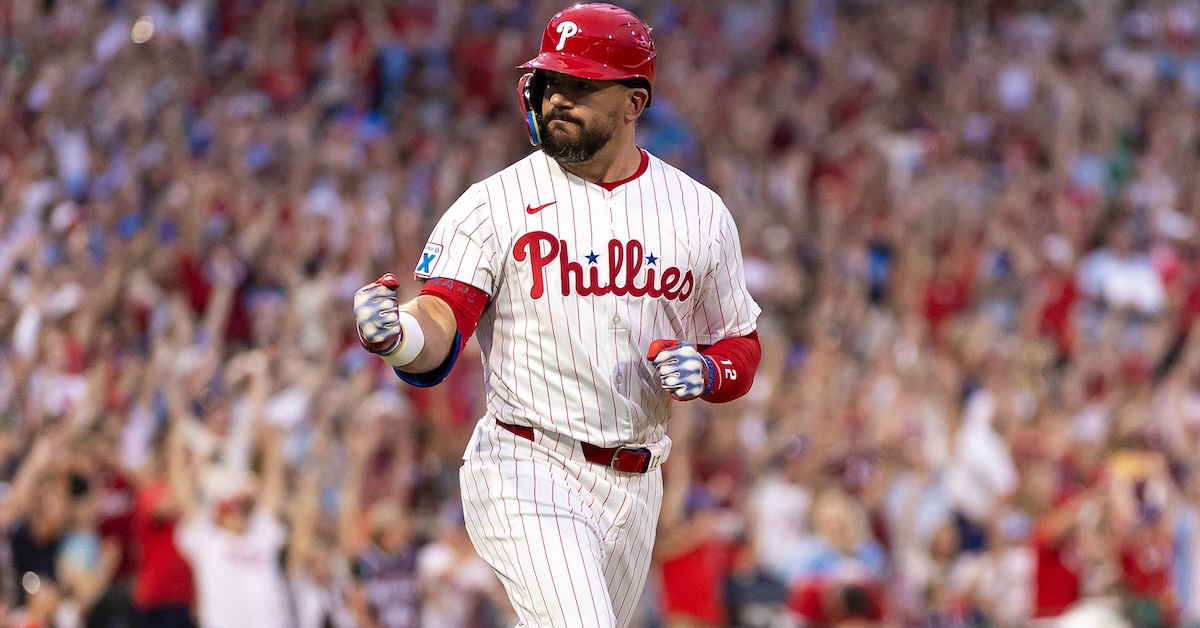
Old Blood: Phillies Re-Sign Kyle Schwarber

Bill Streicher-Imagn Images

No player, not even Bryce Harper, has personified the Phillies’ recent run of four straight trips to the postseason more than Kyle Schwarber. Faced with the prospect of losing their signature slugger to the division rival Mets, Philadelphia instead retained Schwarber on a five-year, $150 million deal, news of which enlivened the Winter Meetings here in Orlando on Tuesday.

Schwarber, who turns 33 on March 5, hit .240/.365/.563 and led the National League with 56 home runs and 132 RBI while playing in all 162 games in 2025. He set career highs in home runs, RBI, games played, slugging percentage, wRC+ (152), and WAR (4.9). The last of those marks owed plenty to manager Rob Thomson’s limiting him to eight games in left field, where he’s a major liability, having totaled -37 FRV and -34 DRS in 2022–23. Only Shohei Ohtani took more plate appearances as a designated hitter in 2025 than Schwarber’s 687.

Schwarber’s season — which propelled him to a second-place finish in the NL MVP voting behind Ohtani (who won unanimously) — may have been a career year, but it was no fluke. Thanks to his ongoing work with hitting coach Kevin Long, who joined the Phillies just a few months before Schwarber signed his four-year, $79 million deal with them in March 2022, he has evolved from a pushover against lefties into a top threat in those matchups. From 2015–21 with the Cubs, Nationals, and Red Sox, Schwarber hit just .214/.324/.361 (86 wRC+) in 584 plate appearances against lefties, making 100 PA against them just twice and topping a 100 wRC+ against them only in the last of those seasons, during which he bounced from Washington to Boston. He has topped 200 plate appearances against lefties in all four of his seasons with the Phillies, and he was an above-average hitter against them in each of the last three. Over the past two years, his 524 plate appearances against lefties led the majors, while his 157 wRC+ (.275/.385/.547) and slugging percentage both ranked second behind Yordan Alvarez (albeit in just 247 PA). By comparison, he hit .244/.365/.525 (143 wRC+) against righties in that span. Read the rest of this entry »


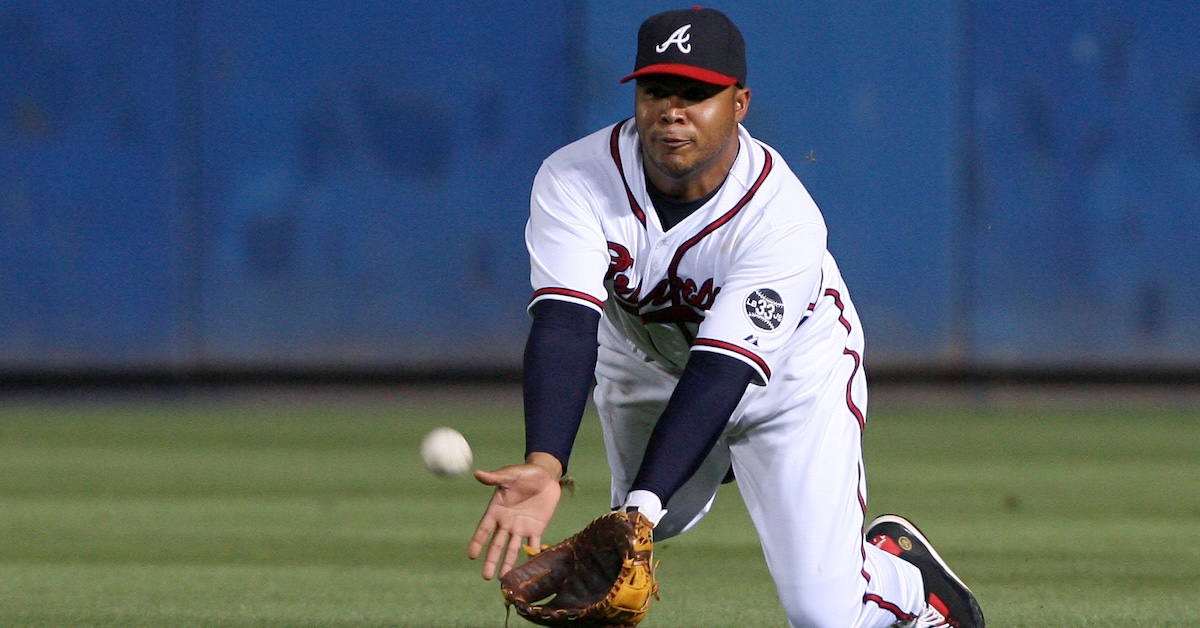
JAWS and the 2026 Hall of Fame Ballot: Andruw Jones

Jason Parkhurst-USA TODAY Sports

The following article is part of Jay Jaffe’s ongoing look at the candidates on the BBWAA 2026 Hall of Fame ballot. Initially written for The Cooperstown Casebook, published in 2017 by Thomas Dunne Books, it was subsequently adapted for SI.com and then FanGraphs. For a detailed introduction to this year’s ballot, and other candidates in the series, use the tool above; an introduction to JAWS can be found here. For a tentative schedule and a chance to fill out a Hall of Fame ballot for our crowdsourcing project, see here. All WAR figures refer to the Baseball-Reference version unless otherwise indicated.

It happened so quickly. Freshly anointed the game’s top prospect by Baseball America in the spring of 1996, the soon-to-be-19-year-old Andruw Jones was sent to play for the Durham Bulls, the Braves’ High-A affiliate. By mid-August, he had blazed through the Carolina League, the Double-A Southern League, and the Triple-A International League, then debuted for the defending world champions. By October 20, with just 31 regular-season games under his belt, he was a household name, having become the youngest player ever to homer in a World Series game, breaking Mickey Mantle’s record — and doing so twice at Yankee Stadium to boot.

Jones was no flash in the pan. The Braves didn’t win the 1996 World Series, and he didn’t win the ’97 National League Rookie of the Year award, but along with Chipper Jones (no relation) and the big three of Greg Maddux, Tom Glavine, and John Smoltz, he became a pillar of a franchise that won a remarkable 14 division titles from 1991 to 2005 (all but the 1994 strike season, with ’91–93 in the NL West and ’95–05 in the revamped NL East). From 1998 to 2007, Jones won 10 straight Gold Gloves, more than any center fielder except Willie Mays. Read the rest of this entry »


The Contemporary Baseball Committee Tabs Kent While Moving Towards Burying Bonds, Clemens, and Sheffield

© Matt Kartozian-USA TODAY Sports

The following article is part of my ongoing look at the candidates on the 2026 Contemporary Baseball Era Committee ballot. For a detailed introduction to this year’s ballot, use the navigation tool above. An introduction to JAWS can be found here.

On an eight-man Hall of Fame ballot featuring three players who were linked to performance-enhancing drugs, and four others who had shortened careers that ended by age 37 due to declines accelerated by injuries, it appeared from the outset of this cycle that Jeff Kent — a former MVP who holds the record for most home runs by a second baseman — had the easiest path to a plaque. Sure enough, when the votes from the 16-member Contemporary Baseball Era Committee were counted at the Winter Meetings on Sunday in Orlando, Kent was the lone candidate elected to the Hall. He’ll be inducted on July 26, 2026 in Cooperstown alongside any candidates elected by the BBWAA.

Meanwhile, in a repudiation that echoed the one that he received from the 2023 edition of this committee, Kent’s former Giants teammate and clubhouse nemesis Barry Bonds again received fewer than five votes. So did Roger Clemens (again) and first-timer Gary Sheffield, the two other candidates connected to PEDs, as well as the late Fernando Valenzuela. Based on a new rule introduced earlier this year, all four are ineligible for consideration on the 2029 Contemporary Baseball ballot, assuming the format goes unchanged; the earliest they can next appear is the 2032 ballot, to be voted on in December 2031. If any of those candidates again slips into the fewer-than-five zone, they will be ineligible for future consideration, period — an aspect of the rule that appears ripe for abuse given the heavy hand the Hall has demonstrated when choosing its committees.

Astute readers of my coverage will note that those four candidates were the ones from this ballot whom I endorsed for election. I argued that Valenzuela, who barely made a dent in two years on the BBWAA ballot (2003–04), should be considered primarily as a modern-day pioneer for serving as a beloved global ambassador and international icon who brought generations of Mexican American and Latino fans to baseball. That’s on top of a very good — but not Hall-caliber — playing career which included six All-Star selections and four top-five finishes in the Cy Young voting, highlighted by his incredible age-20 season, in which he won the NL Rookie of the Year and Cy Young awards, led the Dodgers to their first championship in 16 years, and emerged as the centerpiece of a cultural phenomenon, Fernandomania.

As for Bonds, Clemens, and Sheffield, this was an extension of the support I gave them during their tenures on the BBWAA ballot, first virtually and then once I joined the voting pool starting with the 2021 cycle. All three were among the very best of their day, with Bonds and Clemens perhaps the best position player and pitcher of all time — period. As for their connections to PEDs, I’ve long drawn a distinction between PED use that dated to the time before testing and penalties were in place, when a complete institutional failure prevented the league and the union from adopting a coherent drug policy. This isn’t a fringe view within the BBWAA electorate, either. Particularly once Bud Selig, who as commissioner presided over the game’s steroid mess, was elected to the Hall via the 2017 Today’s Game election, all three received support from a substantial majority of Hall voters, climbing to at least 63% by the end of their runs on the ballot (2022 for Bonds and Clemens, 2024 for Sheffield). Read the rest of this entry »


JAWS and the 2026 Hall of Fame Ballot: Mark Buehrle

Jerry Lai-USA TODAY Sports

The following article is part of Jay Jaffe’s ongoing look at the candidates on the BBWAA 2026 Hall of Fame ballot. For a detailed introduction to this year’s ballot, and other candidates in the series, use the tool above; an introduction to JAWS can be found here. For a tentative schedule and a chance to fill out a Hall of Fame ballot for our crowdsourcing project, see here. All WAR figures refer to the Baseball Reference version unless otherwise indicated.

In an age when baseball is so obsessed with velocity, it’s remarkable to remember how recently it was that a pitcher could thrive, year in and year out, despite averaging in the 85–87 mph range with his fastball. Yet that’s exactly what Mark Buehrle did over the course of his 16-year career. Listed at 6-foot-2 and 240 pounds, the burly Buehrle was the epitome of the crafty lefty, an ultra-durable workhorse who didn’t dominate but who worked quickly, used a variety of pitches — four-seamer, sinker, cutter, curve, changeup — moving a variety of directions to pound the strike zone, and relied on his fielders to make the plays behind him. From 2001 to ’14, he annually reached the 30-start and 200-inning plateaus, and he barely missed on the latter front in his final season.

August Fagerstrom summed up Buehrle so well in his 2016 appreciation that I can’t resist sharing a good chunk of it:

The way Buehrle succeeded was unique, of course. He got his ground balls, but he wasn’t the best at getting ground balls. He limited walks, but he wasn’t the best a limiting walks. He generated soft contact, but he wasn’t the best at generating soft contact. Buehrle simply avoided damage with his sub-90 mph fastball by throwing strikes while simultaneously avoiding the middle of the plate:

That’s Buehrle’s entire career during the PITCHf/x era, and it’s something of a remarkable graphic. You see Buehrle living on the first-base edge of the zone, making sure to keep his pitches low, while also being able to spot the same pitch on the opposite side of the zone, for the most part avoiding the heart of the plate. Buehrle’s retained the ability to pitch this way until the end; just last year [2015], he led all of baseball in the percentage of pitches located on the horizontal edges of the plate.

Drafted and developed by the White Sox — practically plucked from obscurity, at that — Buehrle spent 12 of his 16 seasons on the South Side, making four All-Star teams and helping Chicago to three postseason appearances, including its 2005 World Series win, which broke the franchise’s 88-year championship drought. While with the White Sox, he became just the second pitcher in franchise history to throw multiple no-hitters, first doing so in 2007 against the Rangers and then adding a perfect game in ’09 against the Rays. After his time in Chicago, he spent a sour season with the newly rebranded Miami Marlins, and when that predictably melted down, spent three years with the Blue Jays, earning one more All-Star nod and helping them make the playoffs for the first time in 22 years.

Though Buehrle reached the 200-win plateau in his final season, he was just 36 years old when he hung up his spikes, preventing him from more fully padding his counting stats or framing his case for Cooperstown in the best light. A closer look beyond the superficial numbers suggests that, while he’s the equal or better of several enshrined pitchers according to WAR and JAWS, he’s far off the standards. Like fellow lefty and ballot-mate Andy Pettitte, he gets a boost from S-JAWS, a workload-adjusted version of starting pitcher JAWS that I introduced in 2022. Thus far, I’ve only included Pettitte on one of my five ballots (one of seven including virtual ballots), though I’m mulling his inclusion this year — a thought process that’s taking place as the electorate grapples with shifting standards for starting pitchers following last year’s election of CC Sabathia and the candidacies of Félix Hernández (who debuted last year) and Cole Hamels (this ballot’s top newcomer). I’ve pledged to reconsider Buehrle as well; I’m 0-for-5 in voting for him thus far, and I’m hardly alone, as he debuted with 11% in 2021, scraped by with 5.8% the next year, and has barely regained that lost ground, receiving 11.4% in 2025. Read the rest of this entry »