Effectively Wild Episode 1874: We Are Made of All-Star Stuff


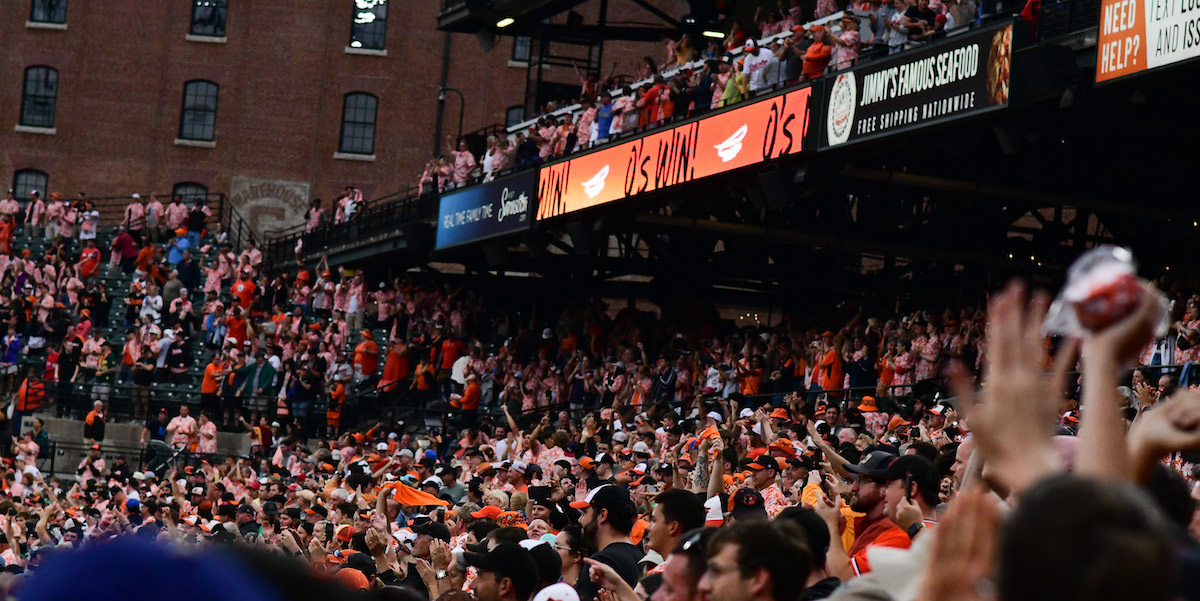
Ben Lindbergh and Meg Rowley banter about Ben’s hazardous last week, then discuss the ongoing mellowing of attitudes and discussions surrounding the All-Star game, embracing the game’s potential for sentimentality, how it would feel to be a team’s lone All-Star representative, the results of a new poll about robo umps, an NPB record and whether/when Reggie Jackson will be unseated as the all-time strikeout king, the reemergence of Matt Moore, the Rockies, the trade deadline, and Daniel Bard, the suddenly exciting Orioles and how a team in their position should approach the deadline, the Phillies’ anti-vax contingent and what it means to be a bad teammate, the injury-ridden seasons of the Rays and Wander Franco, and a mystery involving shifting on right-handed hitters, plus a Past Blast from 1874 (1:19:20), a listener email about eliminating foul lines, and a few followups.
Audio intro: Harper Simon, “Wishes and Stars”
Audio outro: Echo & the Bunnymen, “Stars Are Stars”
Link to ASG rosters
Link to robo-umps poll
Link to news about NPB record
Link to Nakamura’s wiki page
Link to all-time MLB batter K leaders
Link to story on Grossman’s streak
Link to EW Episode 9
Link to Ben on pitching prospect rankings
Link to Rockies MLBTR story
Link to Orioles MLBTR story
Link to updated FG farm rankings
Link to ESPN strength of schedule
Link to Mark Simon on the Orioles defense
Link to Franco MLBTR story
Link to Dan Szymborski on Rays injuries
Link to BP Injured List Ledger
Link to story on Schwarber
Link to story on Realmuto
Link to Tango on the shift vs. RHH
Link to Tango on the shift vs. RHH again
Link to Ben on the shift vs. RHH
Link to Justin Choi on the shift vs. RHH
Link to Richard Hershberger’s Strike Four
Link to 1874 story source
Link to story on Frasier’s swap
Link to Stanky Draft episode
Link to Mauer retirement ceremony
 Sponsor Us on Patreon
 Subscribe to Stathead (Code: WILD20)
 Facebook Group
 Twitter Account
 EW Subreddit
 Effectively Wild Wiki
 iTunes Feed (Please rate and review us!)
 Get Our Merch!
 Email Us: podcast@fangraphs.com
Podcast (effectively-wild): Play in new window | Download
Subscribe: RSS