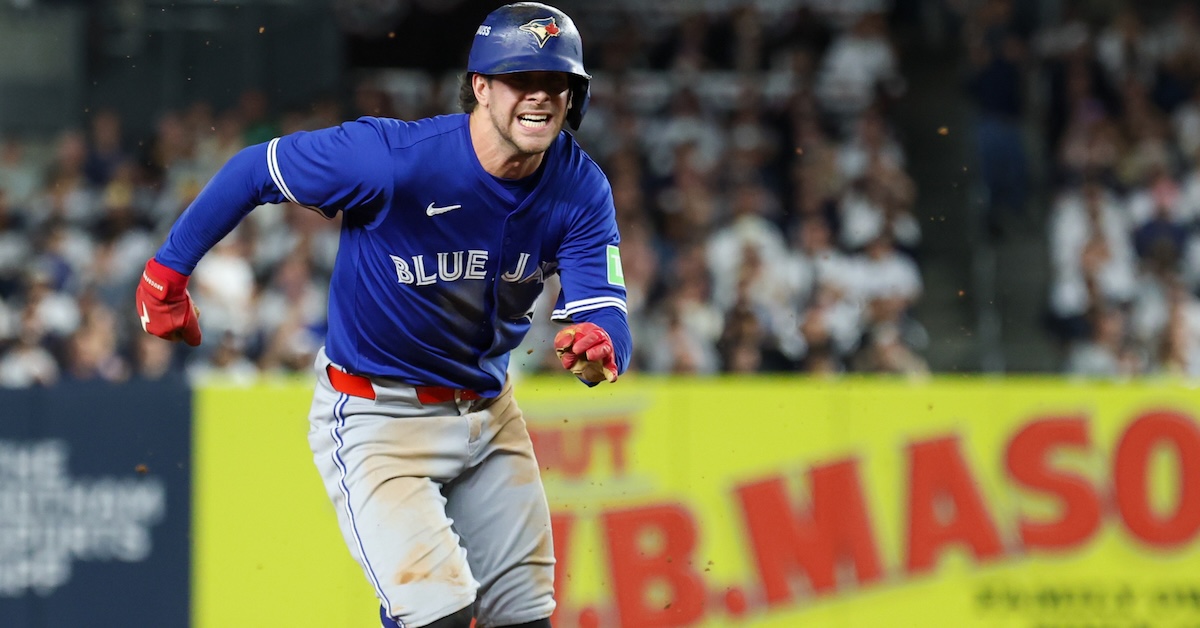
With a Quick One-Two Punch, Blue Jays Force Game 7

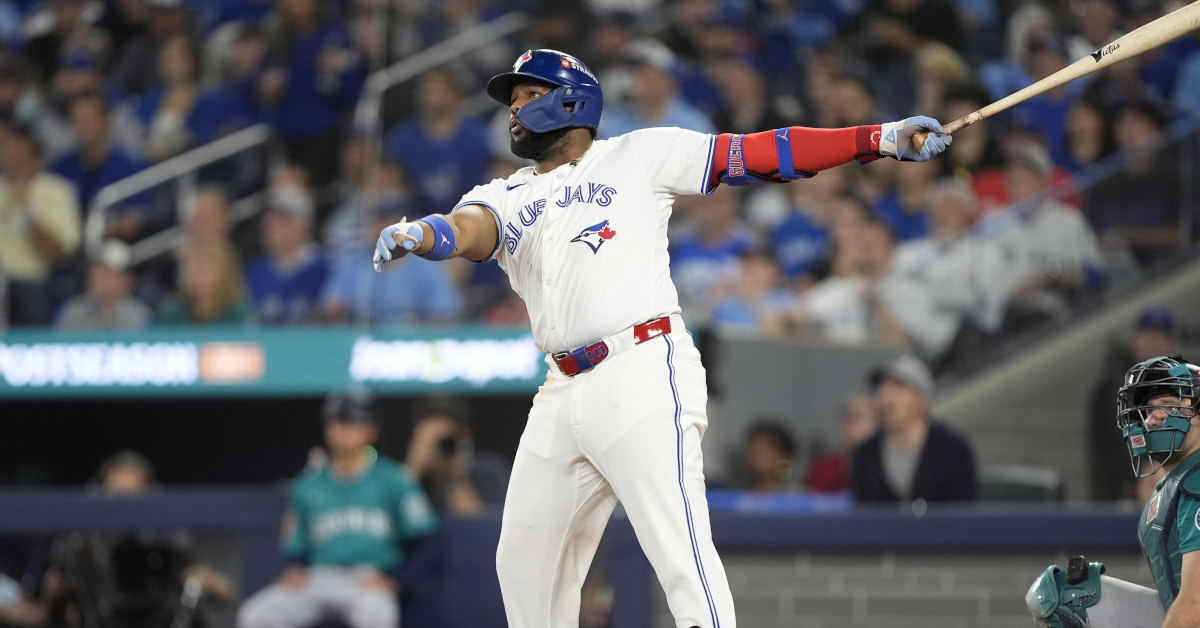
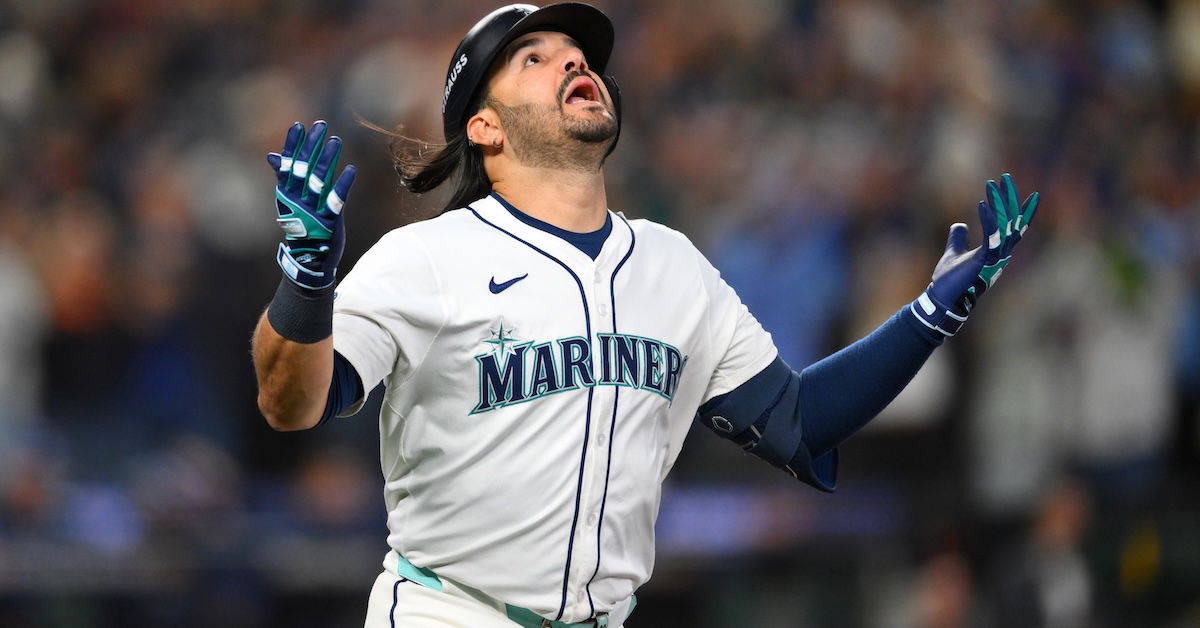
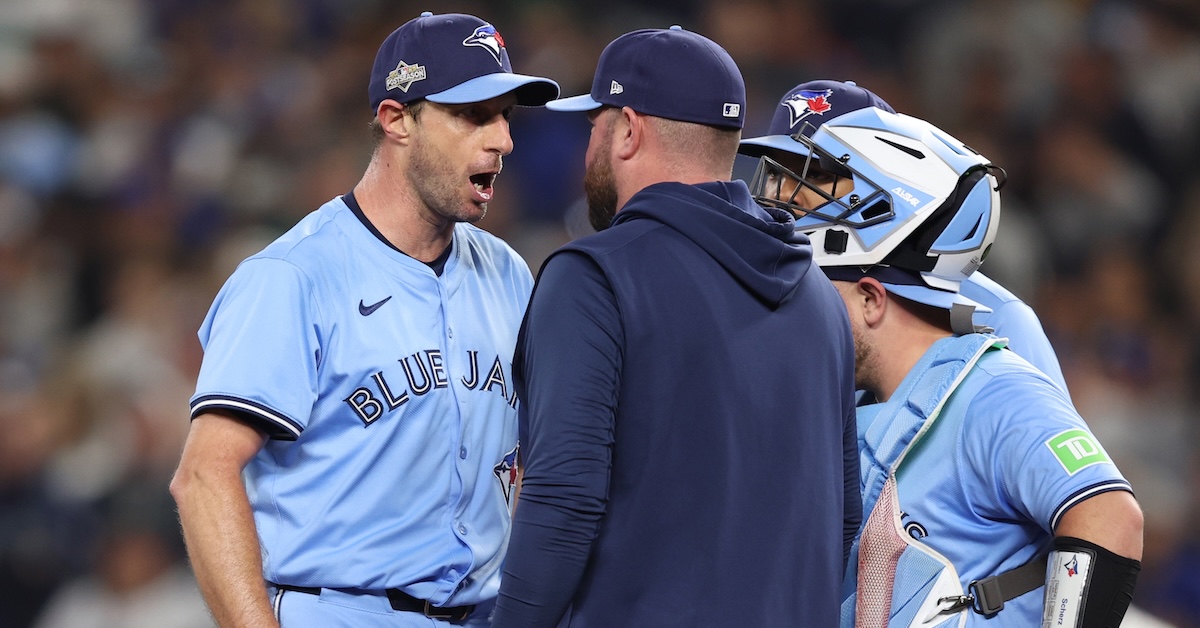
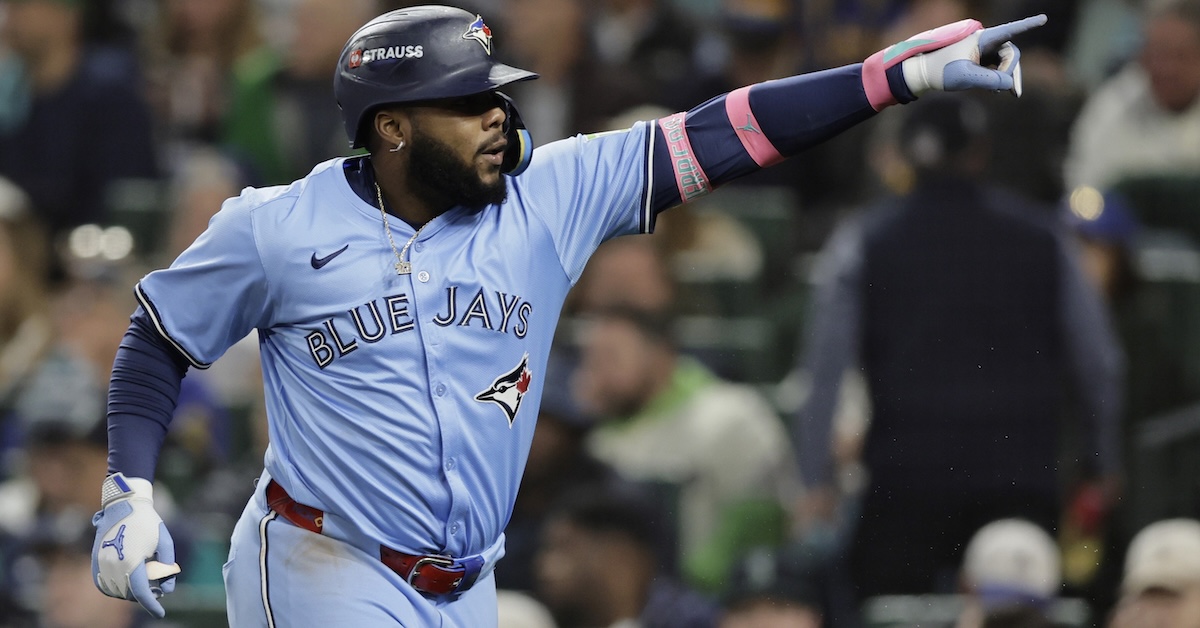
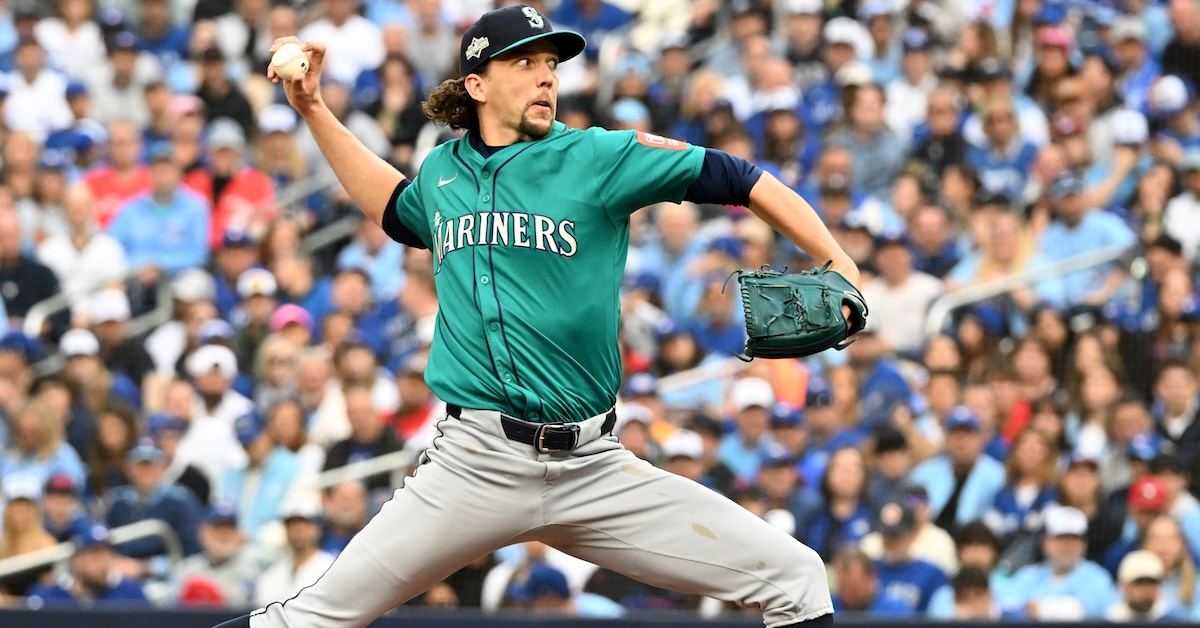
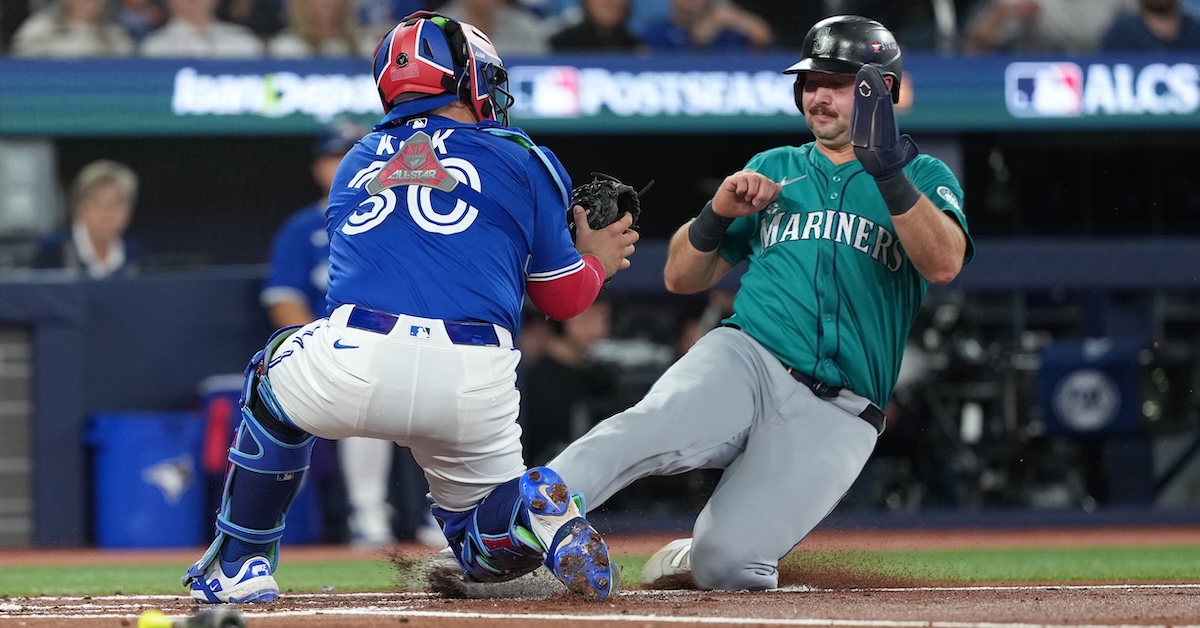
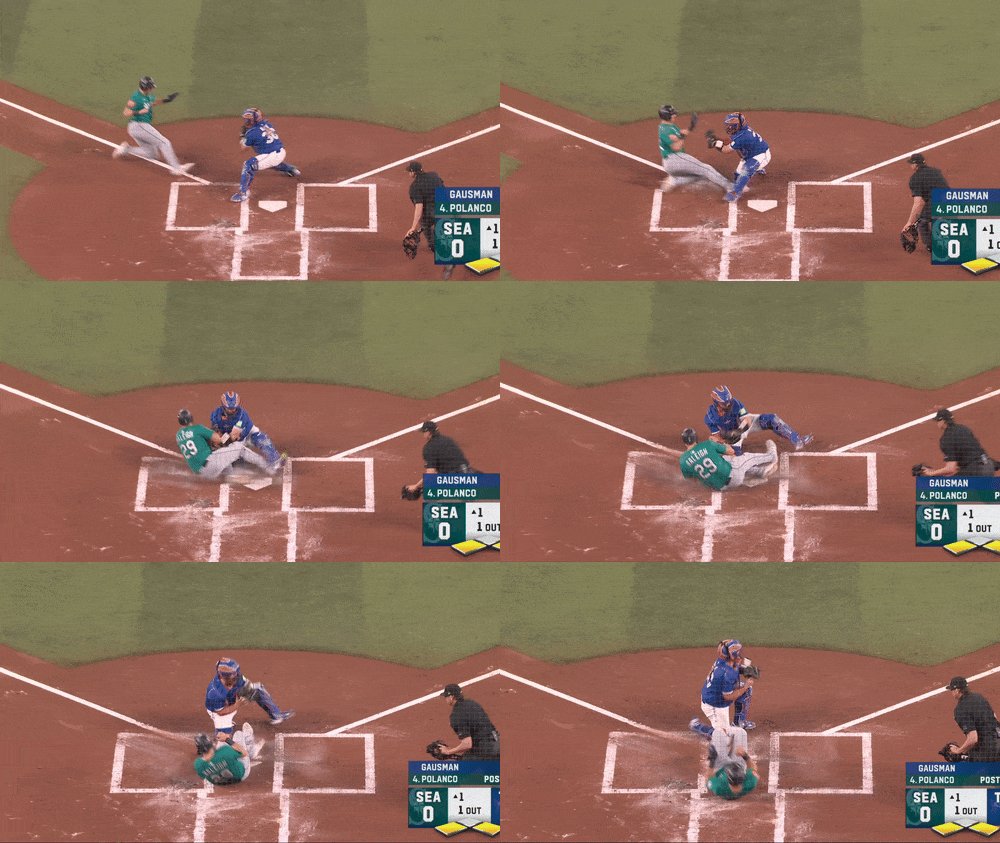
Facing elimination in Game 6 of the ALCS, the Blue Jays were right where they wanted to be. Back in Rogers Centre, where they had the best home record in the majors during the regular season, the Jays defeated the Mariners 6-2 on Sunday night to force a decisive Game 7. On the other side, looking at an opportunity to advance to the World Series for the first time in franchise history, Seattle was wholly unprepared to meet the moment. The Mariners committed three errors, grounded into three inning-ending double plays, and just couldn’t keep up with Toronto’s relentless offense.
Trey Yesavage, making just his sixth start in the big leagues and second in this series, held the Mariners to two runs in 5 2/3 innings. His splitter was particularly nasty; he threw 31 on Sunday, the most he’s thrown in a big league start so far. He earned 10 whiffs on 17 swings (a 59% whiff rate) with that tumbling offspeed pitch and induced two critical double plays with it in back-to-back innings.
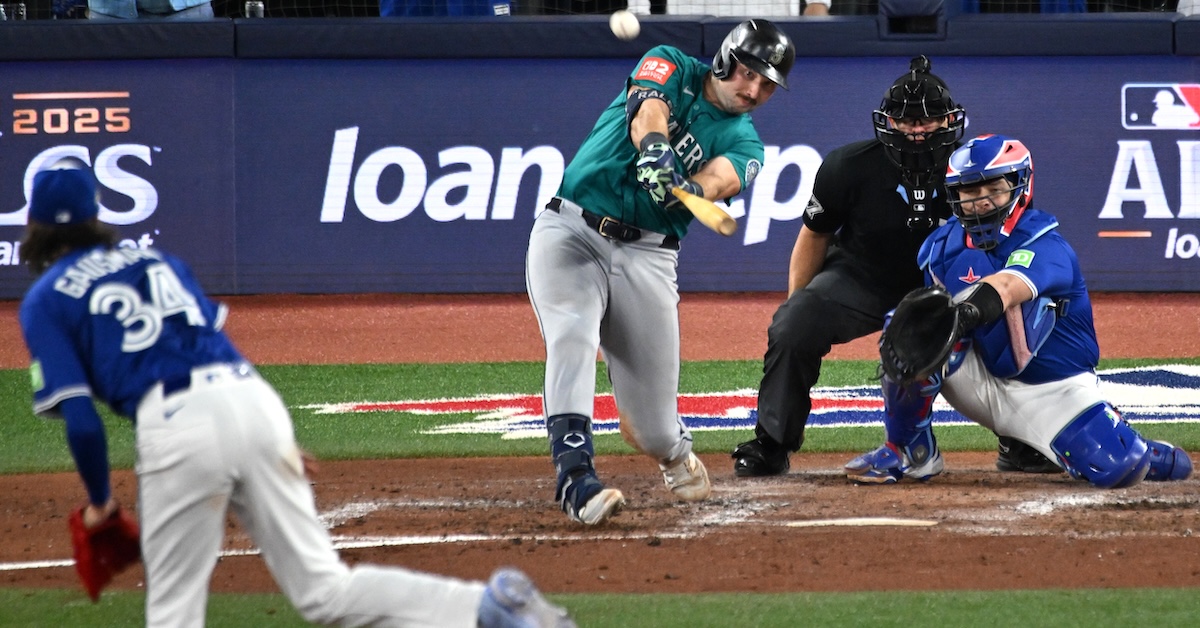
In the third inning, after the Jays had scored two, the Mariners quickly built an opportunity to strike back. J.P. Crawford walked to start the inning, and after Dominic Canzone struck out, Leo Rivas lofted a 360-foot single off the top of the right-center wall. Crawford misread the fly ball and remained too close to first base, so by the time center fielder Daulton Varsho played the carom and fired back into the infield, Crawford had only advanced to second base, meaning Rivas had to hold up at first. Instead of having two runners in scoring position with one out and the top of the order coming up, the bad baserunning had put the Mariners in a textbook double play situation. Nevertheless, after Julio Rodríguez walked to load the bases, it looked like Cal Raleigh, whose 57.7% fly ball rate was the highest in the majors this season, would at least be able to lift a sacrifice fly to get the Mariners on the board. But Yesavage buckled down, turned to his trusty splitter, and got Raleigh to ground into an inning-ending double play on the first pitch of the at-bat. Read the rest of this entry »