Archive for Featured Prospects

Cleveland Guardians Top 46 Prospects

Chase DeLauter Photo: Jeff Lange/USA TODAY NETWORK via Imagn Images

Below is an analysis of the prospects in the farm system of the Cleveland Guardians. Scouting reports were compiled with information provided by industry sources as well as our own observations. This is the sixth year we’re delineating between two anticipated relief roles, the abbreviations for which you’ll see in the “position” column below: MIRP for multi-inning relief pitchers, and SIRP for single-inning relief pitchers. The ETAs listed generally correspond to the year a player has to be added to the 40-man roster to avoid being made eligible for the Rule 5 draft. Manual adjustments are made where they seem appropriate, but we use that as a rule of thumb.

A quick overview of what FV (Future Value) means can be found here. A much deeper overview can be found here.

All of the ranked prospects below also appear on The Board, a resource the site offers featuring sortable scouting information for every organization. It has more details (and updated TrackMan data from various sources) than this article and integrates every team’s list so readers can compare prospects across farm systems. It can be found here. Read the rest of this entry »


Seattle Mariners Top 25 Prospects

Colt Emerson Photo: Allan Henry-Imagn Images

Below is an analysis of the prospects in the farm system of the Seattle Mariners. Scouting reports were compiled with information provided by industry sources as well as my own observations. This is the sixth year we’re delineating between two anticipated relief roles, the abbreviations for which you’ll see in the “position” column below: MIRP for multi-inning relief pitchers, and SIRP for single-inning relief pitchers. The ETAs listed generally correspond to the year a player has to be added to the 40-man roster to avoid being made eligible for the Rule 5 draft. Manual adjustments are made where they seem appropriate, but we use that as a rule of thumb.

A quick overview of what FV (Future Value) means can be found here. A much deeper overview can be found here.

All of the ranked prospects below also appear on The Board, a resource the site offers featuring sortable scouting information for every organization. It has more details (and updated TrackMan data from various sources) than this article and integrates every team’s list so readers can compare prospects across farm systems. It can be found here. Read the rest of this entry »


Chicago White Sox Top 40 Prospects

Caleb Bonemer Photo: Nick King/Lansing State Journal/USA TODAY NETWORK

Below is an analysis of the prospects in the farm system of the Chicago White Sox. Scouting reports were compiled with information provided by industry sources as well as my own observations. This is the sixth year we’re delineating between two anticipated relief roles, the abbreviations for which you’ll see in the “position” column below: MIRP for multi-inning relief pitchers, and SIRP for single-inning relief pitchers. The ETAs listed generally correspond to the year a player has to be added to the 40-man roster to avoid being made eligible for the Rule 5 draft. Manual adjustments are made where they seem appropriate, but we use that as a rule of thumb.

A quick overview of what FV (Future Value) means can be found here. A much deeper overview can be found here.

All of the ranked prospects below also appear on The Board, a resource the site offers featuring sortable scouting information for every organization. It has more details (and updated TrackMan data from various sources) than this article and integrates every team’s list so readers can compare prospects across farm systems. It can be found here. Read the rest of this entry »
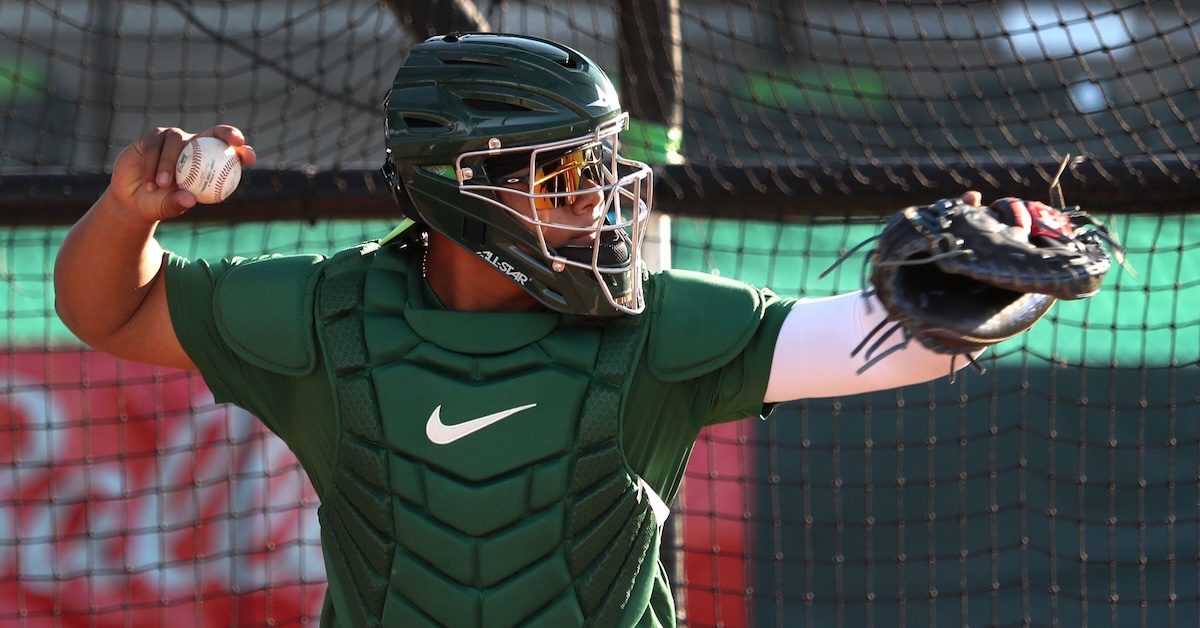

Cincinnati Reds Top 40 Prospects

Alfredo Duno Photo: David TuckerNews-Journal/USA TODAY NETWORK

Below is an analysis of the prospects in the farm system of the Cincinnati Reds. Scouting reports were compiled with information provided by industry sources as well as my own observations. This is the sixth year we’re delineating between two anticipated relief roles, the abbreviations for which you’ll see in the “position” column below: MIRP for multi-inning relief pitchers, and SIRP for single-inning relief pitchers. The ETAs listed generally correspond to the year a player has to be added to the 40-man roster to avoid being made eligible for the Rule 5 draft. Manual adjustments are made where they seem appropriate, but we use that as a rule of thumb.

A quick overview of what FV (Future Value) means can be found here. A much deeper overview can be found here.

All of the ranked prospects below also appear on The Board, a resource the site offers featuring sortable scouting information for every organization. It has more details (and updated TrackMan data from various sources) than this article and integrates every team’s list so readers can compare prospects across farm systems. It can be found here. Read the rest of this entry »
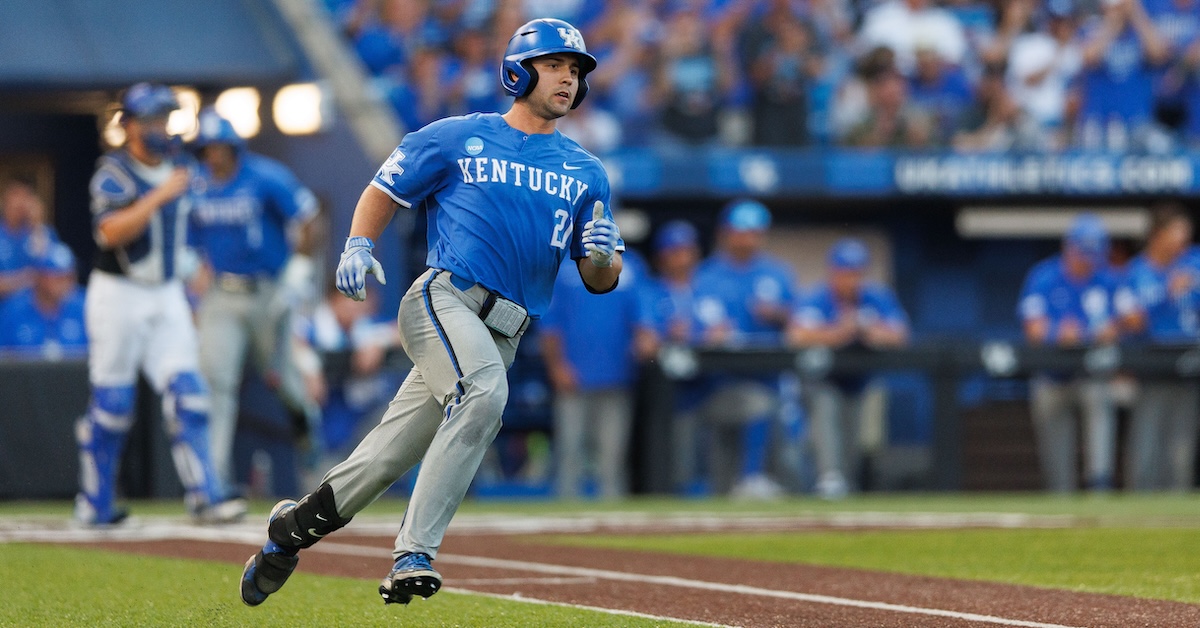

Arizona Diamondbacks Top 56 Prospects

Ryan Waldschmidt Photo: Jordan Prather-USA TODAY Sports

Below is an analysis of the prospects in the farm system of the Arizona Diamondbacks. Scouting reports were compiled with information provided by industry sources as well as my own observations. This is the sixth year we’re delineating between two anticipated relief roles, the abbreviations for which you’ll see in the “position” column below: MIRP for multi-inning relief pitchers, and SIRP for single-inning relief pitchers. The ETAs listed generally correspond to the year a player has to be added to the 40-man roster to avoid being made eligible for the Rule 5 draft. Manual adjustments are made where they seem appropriate, but we use that as a rule of thumb.

A quick overview of what FV (Future Value) means can be found here. A much deeper overview can be found here.

All of the ranked prospects below also appear on The Board, a resource the site offers featuring sortable scouting information for every organization. It has more details (and updated TrackMan data from various sources) than this article and integrates every team’s list so readers can compare prospects across farm systems. It can be found here. Read the rest of this entry »


Scouting the 2025 Rule 5 Draft

Kim Klement Neitzel-USA TODAY Sports

The major league phase of the 2025 Rule 5 Draft was held Wednesday at the Winter Meetings in Orlando and concluded with 13 players being selected to join new organizations. Below are our thoughts on those players. The numbers you see in parentheses represent each team’s 40-man roster count entering the draft.

Before we get to the reports, our annual refresher on the Rule 5 Draft’s complex rules. The draft proceeds in reverse order of the standings from the most recent season. Players who signed their first pro contract at age 18 or younger are eligible for selection after five years of minor league service if their parent club has not yet added them to the team’s 40-man roster; for players who signed at age 19 or older, the timeline is four years. Those clubs that select a player must not only (a) pay said player’s former club $100,000, but also (b) keep the player on their 26-man active roster throughout the entirety of the following season, with a couple of exceptions that mostly involve the injured list. If a selected player doesn’t make his new team’s active roster, he is offered back to his former team for half of the initial fee. After the player’s first year on the roster, he can be optioned back to the minor leagues. Read the rest of this entry »


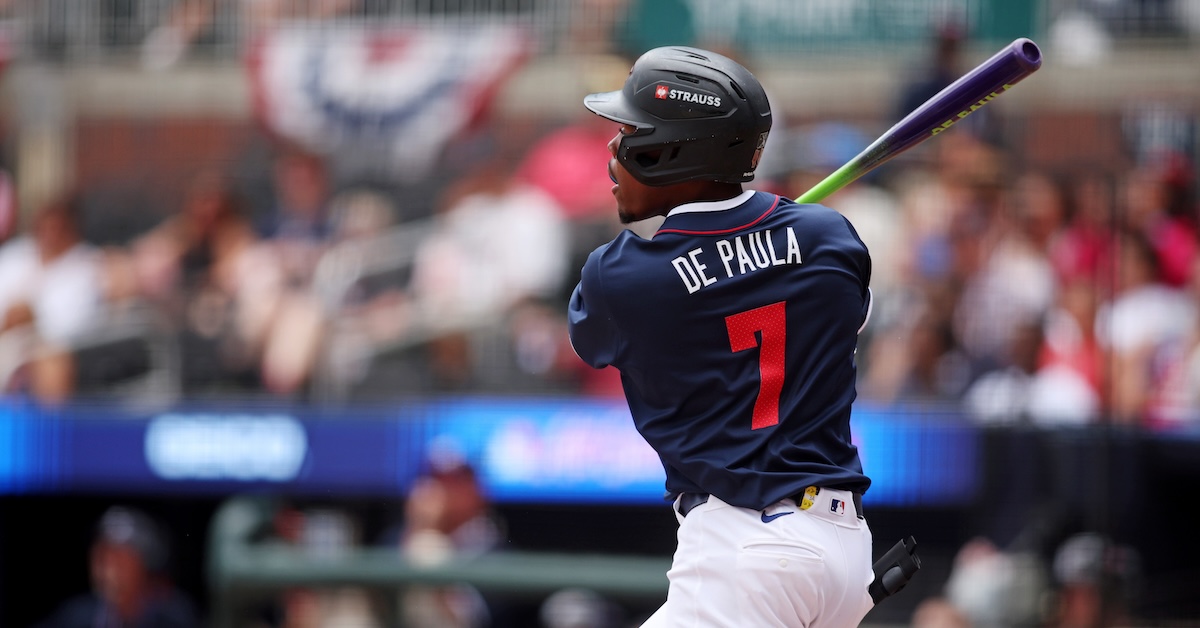
Los Angeles Dodgers Top 53 Prospects

Josue De Paula Photo: Brett Davis-Imagn Images

Below is an analysis of the prospects in the farm system of the Los Angeles Dodgers. Scouting reports were compiled with information provided by industry sources as well as our own observations. This is the sixth year we’re delineating between two anticipated relief roles, the abbreviations for which you’ll see in the “position” column below: MIRP for multi-inning relief pitchers, and SIRP for single-inning relief pitchers. The ETAs listed generally correspond to the year a player has to be added to the 40-man roster to avoid being made eligible for the Rule 5 draft. Manual adjustments are made where they seem appropriate, but we use that as a rule of thumb.

A quick overview of what FV (Future Value) means can be found here. A much deeper overview can be found here.

All of the ranked prospects below also appear on The Board, a resource the site offers featuring sortable scouting information for every organization. It has more details (and updated TrackMan data from various sources) than this article and integrates every team’s list so readers can compare prospects across farm systems. It can be found here. Read the rest of this entry »

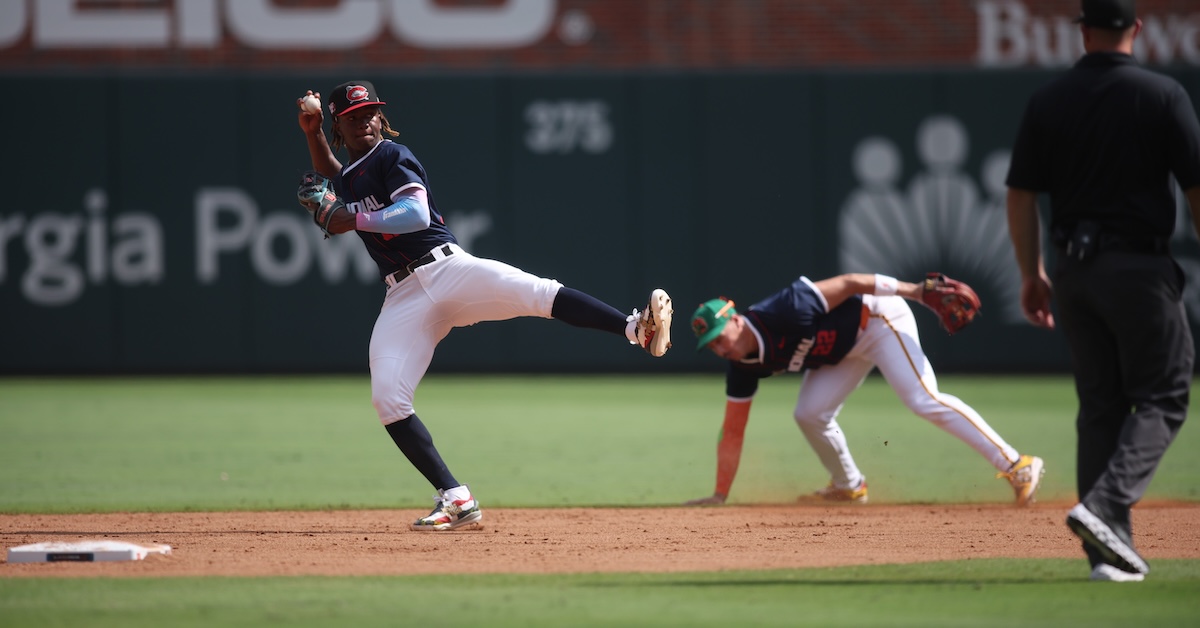
Milwaukee Brewers Top 53 Prospects

Jesús Made Photo: Brett Davis-Imagn Images

Below is an analysis of the prospects in the farm system of the Milwaukee Brewers. Scouting reports were compiled with information provided by industry sources as well as our own observations. This is the sixth year we’re delineating between two anticipated relief roles, the abbreviations for which you’ll see in the “position” column below: MIRP for multi-inning relief pitchers, and SIRP for single-inning relief pitchers. The ETAs listed generally correspond to the year a player has to be added to the 40-man roster to avoid being made eligible for the Rule 5 draft. Manual adjustments are made where they seem appropriate, but we use that as a rule of thumb.

A quick overview of what FV (Future Value) means can be found here. A much deeper overview can be found here.

All of the ranked prospects below also appear on The Board, a resource the site offers featuring sortable scouting information for every organization. It has more details (and updated TrackMan data from various sources) than this article and integrates every team’s list so readers can compare prospects across farm systems. It can be found here. Read the rest of this entry »

Let’s Scout the Players Coming Over From Asia

Munetaka Murakami
Yukihito Taguchi-USA TODAY Sports

It’s time for another cycle of prospect lists and, as has become customary, we’re starting with scouting reports on pro players in foreign leagues, with a focus on players available for MLB free agency this offseason. On The Board, you can access a fresh batch of scouting reports and evaluations for relevant players from Nippon Professional Baseball, the Korea Baseball Organization, and the Chinese Professional Baseball League in Taiwan, as well as reports on some young players we’ve identified as potentially impactful long-term prospects. For those who need a crash course on the age- and pro experience-driven lines of demarcation that dictate how MLB teams sign international players, we’d point you to a number of MLB.com glossary entries, including those on international free agency for those in Asian pro leagues, international amateur free agency and bonus pool restrictions, the Japanese posting system, and the Korean posting system.

It can be a bit overwhelming to sift through so many different types of players on that section of The Board — it’s a real apples and oranges situation when we’re talking about some guys who are in their 30s and others who are fairly young — so we’ve broken many of them into digestible subgroups below, with focus on the crop that is purported to be coming over this offseason. You’ll notice that some players appear across multiple categories. The Board has each player’s full scouting report and tool grades — think of this as more of a table of contents. Read the rest of this entry »


Welcome to the 2025 Arizona Fall League

Megan Mendoza/The Republic/USA TODAY NETWORK via Imagn Images

The 33rd Arizona Fall League season opened last night with a single game in Scottsdale. There are future stars in the Fall League every year, as well as many more workmanlike players who are competing for a 40-man roster spot on next year’s club. It’s a wonderful league for teams to develop and scout prospects because of the cross section of talent it tends to include (there are usually lots of good position player prospects), its timing (which allows players who were injured during the regular season to catch up on reps), and its structure (which allows for six weeks of steady looks). Teams almost always take the AFL seriously and send players here who they want to see more of, or who they want to test. Being on the roster is, on its own, a flare. It’s an indication that a player is worth paying attention to from a scouting standpoint even if I didn’t know the guy’s name until I saw a roster.

Previewing this league with prospects’ scouting reports risks putting the cart before the horse because the scouting part has yet to happen. I want to give you the reports I already have, to play the hits and make sure you have Kevin McGonigle and Josue De Paula reports and tool grades in front of you (don’t worry, you will), but a huge part of the pro scouting exercise that is the Arizona Fall League is mining for the deeper cut prospects, and I can’t tell you who those guys are going to be just yet. But I can show you the initial steps I take to prepare to go to the field and try to systematically unearth these guys, give you the tools to do so on your own, and, in the process, let know you who it is I’m most curious and excited to learn more about for the next six weeks. Read the rest of this entry »