Archive for Daily Graphings

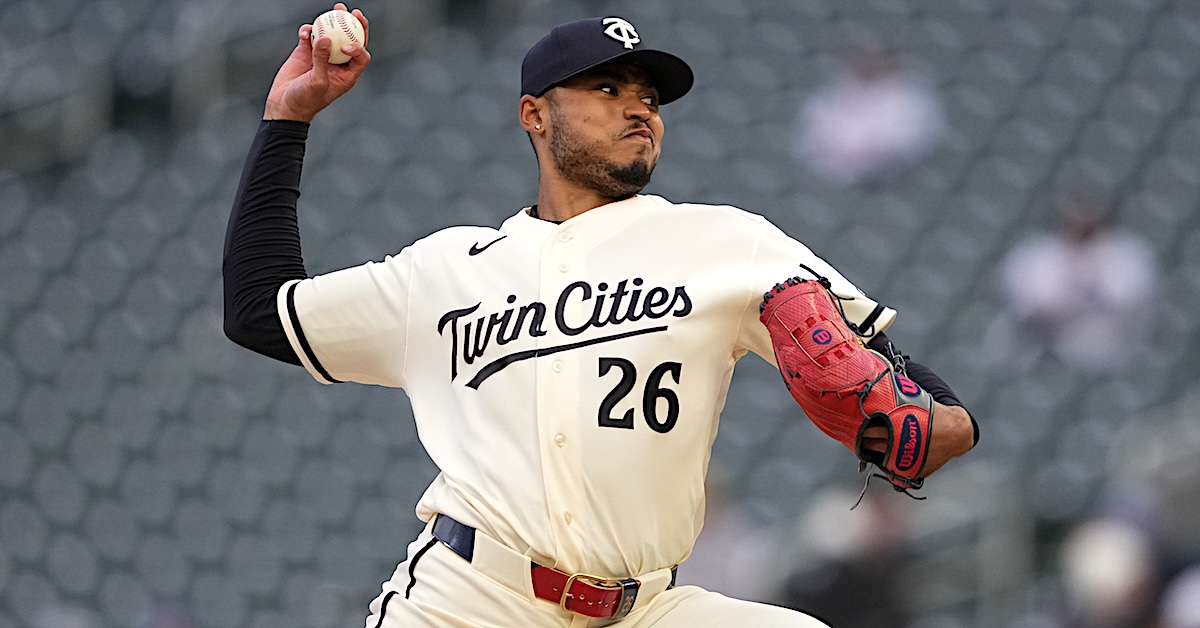
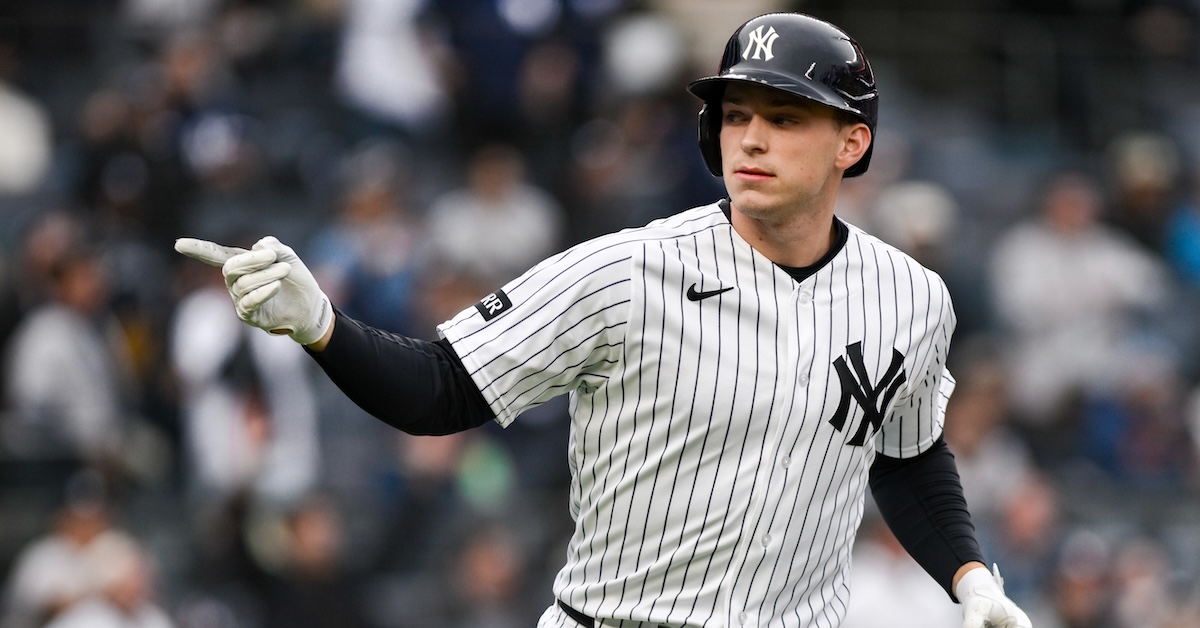
The Mets Are Having a Swell Offseason

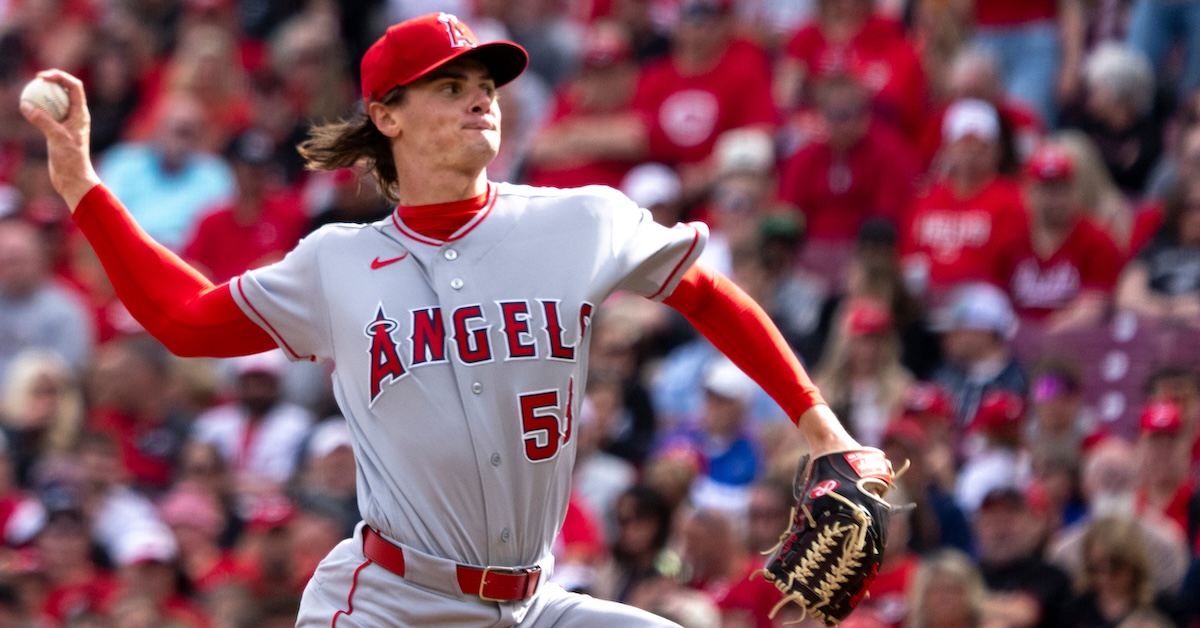
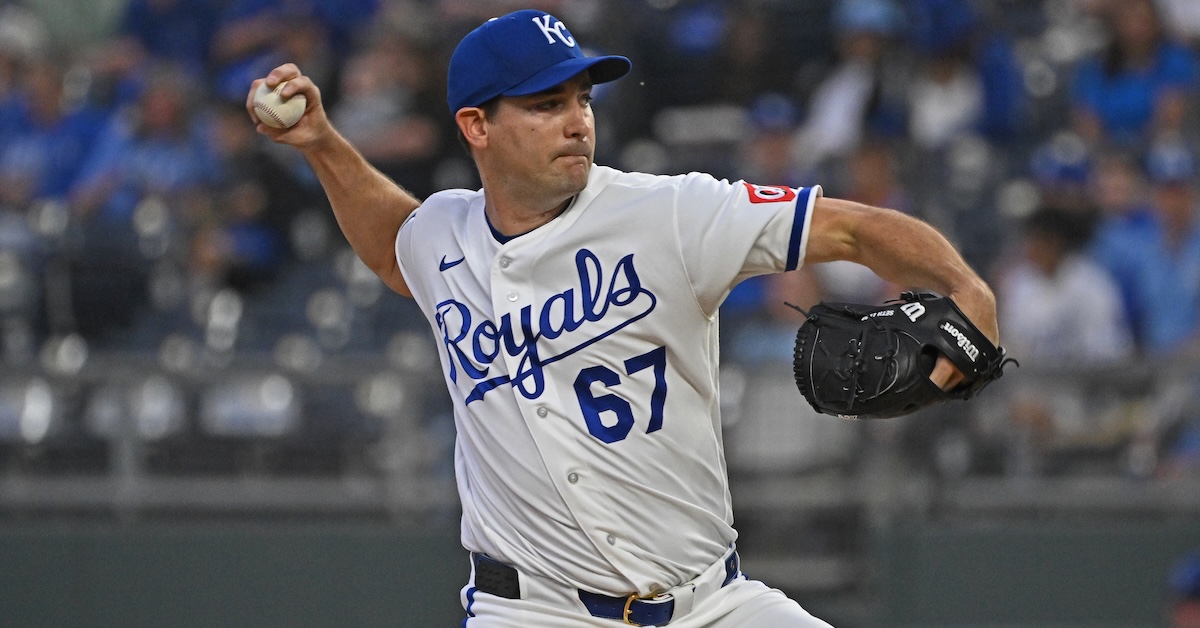
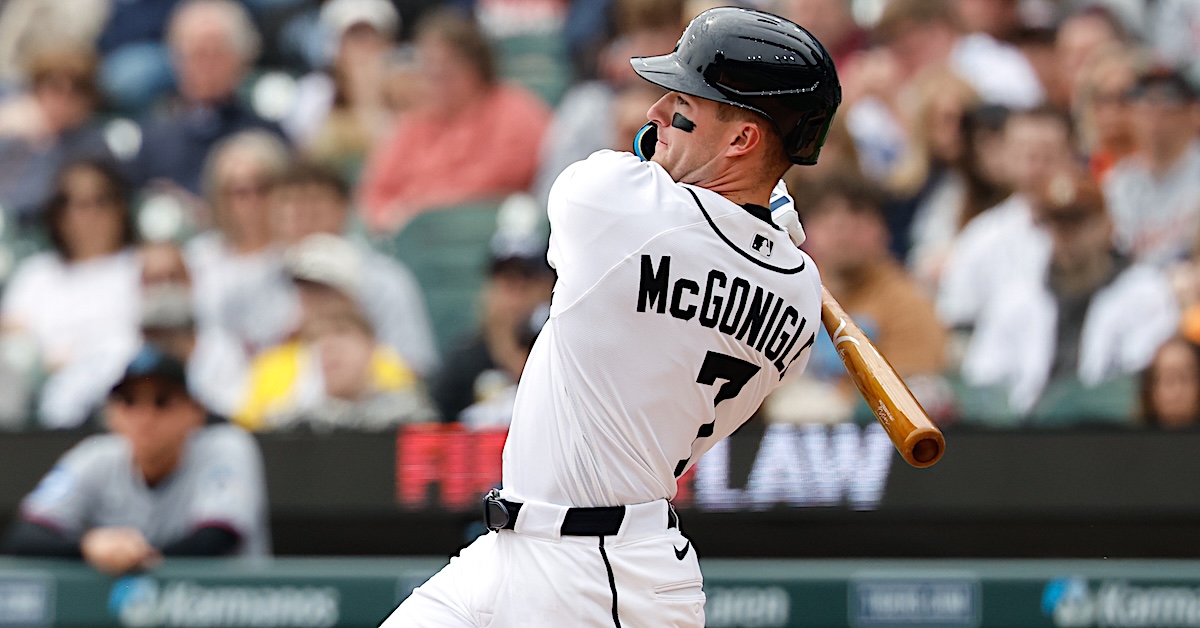
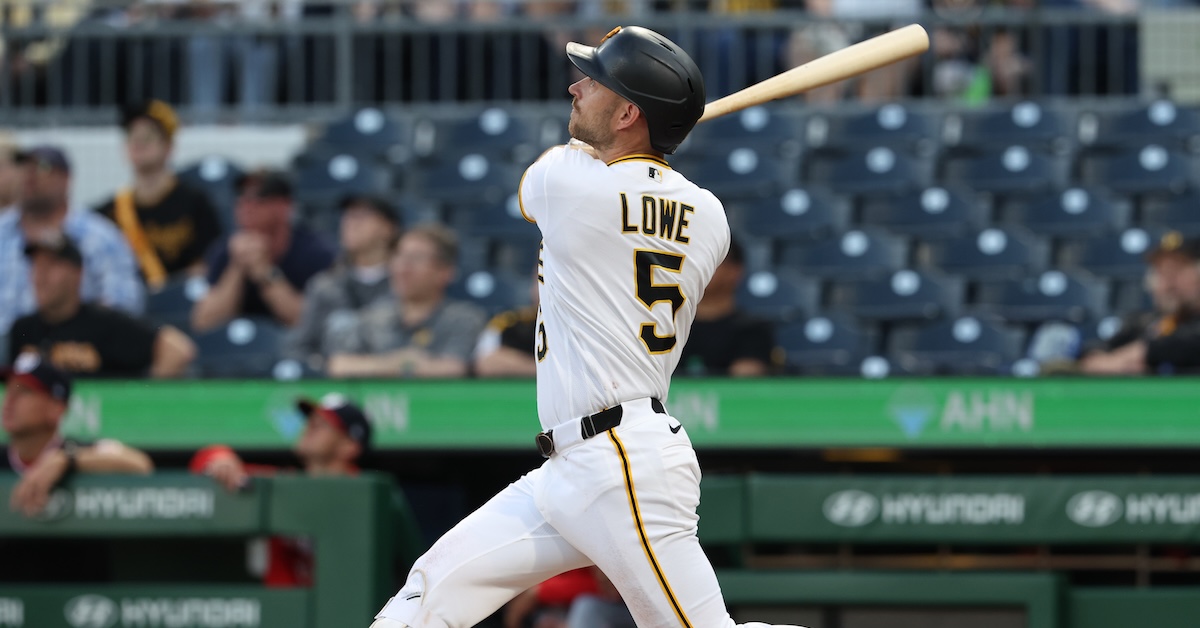
John E. Sokolowski, Nick Turchiaro, Wendell Cruz-Imagn Images

You already know how it works: January is for signings, trades, and articles that grade those signings and trades. Everything gets a letter, every transaction has a winner and loser, and positive thinkers like me hand out thumbs up left and right. I’ve rarely seen a signing I didn’t like. I think that most trades help out both sides. What about the aggregate effect of all the signings and trades, though? Which teams play the offseason game the best or the worst? Looking at the Mets this winter got me thinking.

How should we evaluate a front office, particularly in the offseason when we don’t have games to look at? I’ve never been able to arrive at a single framework. That’s only logical. If there were one simple tool we could use to evaluate the sport, baseball wouldn’t be as interesting to us as it is. The metrics we use to evaluate teams, and even players, are mere abstractions. The goal of baseball – winning games, or winning the World Series in a broad sense – can be achieved in a ton of different ways. We measure a select few of those in most of our attempts at estimating value, or at figuring out who “won” or “lost” a given transaction. So today, I thought I’d try something a little bit different.

Instead of a single number, I’m going to evaluate the decisions that David Stearns and the Mets made this winter on three axes. The first is what I’m calling Coherence of Strategy. If you make a win-now trade but then head into the season with a gaping hole in your roster, that’s not coherent. If you trade a star for teenage prospects and then extend a 33-year-old, that’s not coherent. Real-world examples are never that simple, but you get the idea. Some spread in decisions is inevitable, but good teams don’t work against themselves more than they have to.

Next, Liquidity and Optionality. One thing we know for sure about baseball is that the future rarely looks the way we expect it to in the present. Preserving an ability to change directions based on new information is important. Why do teams treat players with no options remaining so callously? It’s because that lack of optionality really stings. Why do teams prefer high-dollar, short-term contracts over lengthy pacts in general? It’s because you don’t know how good that guy is going to be in year six, and you certainly don’t know how good your team will be or whether you’ll have another player for the same position. All else equal, decisions that reduce future optionality are bad because they limit a team’s ability to make the right move in the future.

Finally, maximizing the Championship Probability Distribution. We like to talk about teams as chasing wins, but that’s not exactly what’s going on. Teams are chasing the likelihood of winning a World Series, or some close proxy of that. That’s often correlated to wins, but it’s not exactly the same. Building a team that outperforms opponents on the strength of its 15th-26th best players being far superior to their counterparts might help in the dog days of August, when everyone’s playing their depth pieces and cobbling together a rotation, but that won’t fly in October. Likewise, high-variance players with decent backup options don’t show up as overly valuable in a point estimate of WAR, but they absolutely matter. Teams are both trying to get to the playoffs as often as possible and perform as well as they can after arriving there. That’s not an easy thing to quantify, but we can at least give it a shot.

Let’s begin with a look at the transactions that reshaped the lineup. The biggest of these has to be the infield turnover, with Pete Alonso out and Bo Bichette, Jorge Polanco, and Marcus Semien in. Since we’re including Semien, we’ll have to include the departure of outfielder Brandon Nimmo as well. These decisions are clearly coherent; Alonso’s leaving meant space in the infield and an offensive deficit, and the Mets signed multiple free agents to account for that. I’ll analyze the Coherence of Strategy axis at the end of this write-up, but for each individual deal, I’ll focus on the other two axes of analysis.
Read the rest of this entry »
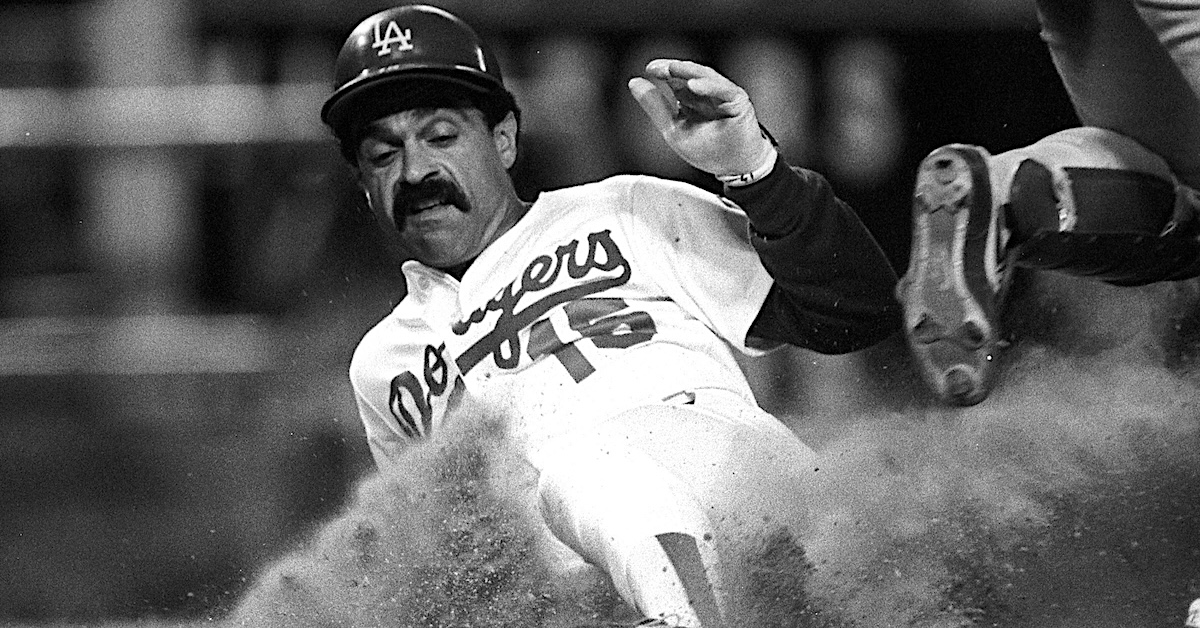

White Sox Sign Seranthony Domínguez

Nick Turchiaro-Imagn Images

Last week, the White Sox admitted defeat in their handling of Luis Robert Jr.’s contract, shipping him out to the Mets for two lottery tickets and salary relief. That salary relief must have been burning a hole in their pocket, though. Or perhaps someone looked at their books, said “Guys, we play in Chicago but we’re projected for the lowest payroll in baseball and people are going to talk,” and handed GM Chris Getz a list of players who hadn’t yet signed. In any case, Seranthony Domínguez and the White Sox have agreed to terms on a two-year deal worth $20 million, as ESPN’s Jeff Passan first reported.

The right-handed Domínguez is no stranger to high-pressure relief work. In both the 2022 and 2023 postseasons, he appeared in mid- and high-leverage situations for the Phillies, and he handled them quite well (1.13 ERA, 0.78 FIP in 16 innings). In 2024, Philadelphia didn’t have much use for his services after his slow start, and so they sent him and Cristian Pache to the Orioles for platoon bat Austin Hays (whom they promptly non-tendered after the season). The O’s employed Domínguez for a year (he made two appearances for them in the playoffs), then dealt him and cash to the Blue Jays in exchange for Juaron Watts-Brown, a 40-FV relief prospect. He pitched for the Jays in October, and memorably had some ups and downs in their long run.

In other words, playoff teams have been employing Domínguez for years, but they haven’t been placing particularly high importance on his performance. He’s twice been traded to contenders in deadline deals, and at no point did his suitors offer much to get him. Those teams considered him a mid-leverage option; even the Blue Jays had him as a second-tier option out of their weak-link bullpen that flailed its way through October. Read the rest of this entry »
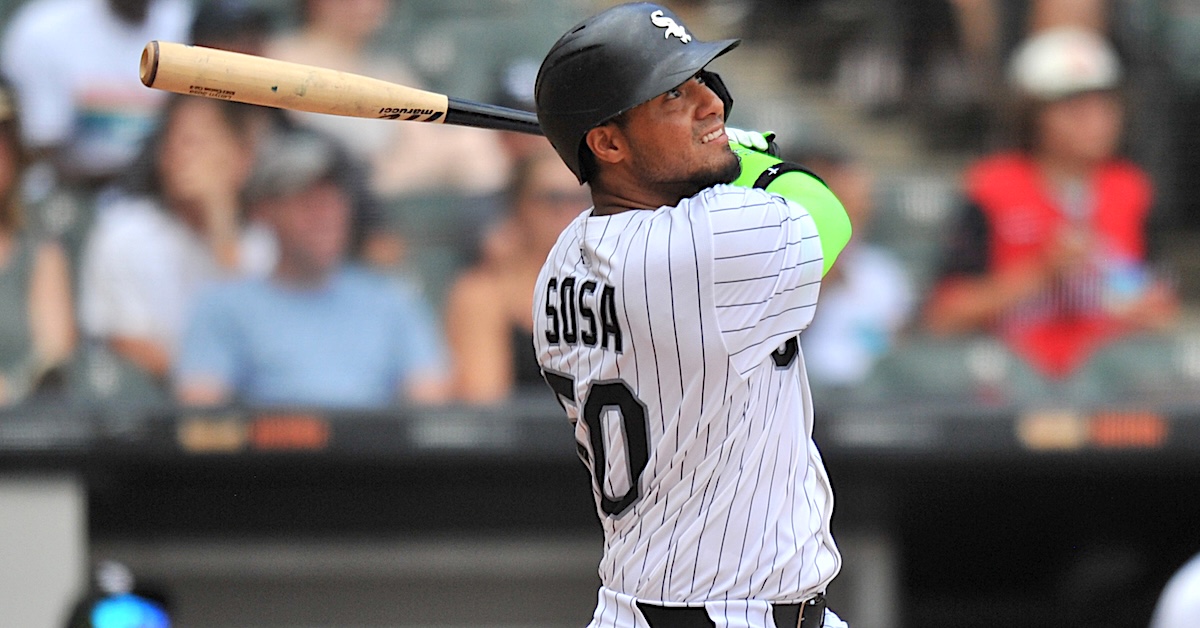

The Most Baseball a Baseball Town Can Be

Photo by Amanda Vogt

IRMO, S.C. — At Friarsgate Park, there’s never enough parking. Whenever there’s a baseball game, the lot gets full and drivers find spots on the grass next to the sidewalk. Eventually, the parking lot over at the elementary school fills, too.

It’s only a week night, but there’s so much commotion — and this isn’t for a tournament, just fall baseball games.

“It’s the old ‘Field of Dreams,’” said Bobby Jenson, Little League president. “If you build it, they will come. If you build the right atmosphere, people will come because, if it’s 60, 70 degrees and you’re just relaxed and you’re getting peanuts or popcorn or sunflower seeds, and just watching a game of baseball — it’s just no better place I’d rather be.”

This is Irmo, South Carolina, the most baseball a baseball town can be.

Irmo is so baseball that last year it sent not one, not two, not three, but four teams in different divisions to the Little League World Series — baseball teams of up to 12-, 13- and 16-year-old boys, along with a girls softball team. Little League has seven divisions, each of which holds a national tournament of top teams every year, the World Series. Do the math: One community sent clubs to more than half the national competitions.

Irmo is so baseball that championship jerseys hang in local restaurants as relics of pride with signatures of the ball players, who are treated as local celebrities.

Irmo is so baseball that even though the South Carolina Golf Association is just a few miles down the road from the ball fields, there isn’t even a golf course in town. It closed several years ago.

It’s hard to find someone not connected to Irmo Little League.

“I’ve lived in North and South Carolina my whole life and baseball is very important here,” said Matt Westbrooks, a Little League parent. “We’re shocked that we don’t have a major league team yet. And I will tell you, Irmo Little League is doing it right. If you’re not involved, you need to be involved. It’s a great place to have your kids. It’s a great place to learn about baseball.”

One of the six fields at Friarsgate Park, home of Irmo Little League (Photo by Amanda Vogt)

Classic Southern

Irmo is 20 minutes away from Columbia and is full of Southern charm. Local businesses coexist with typical chain restaurants and retail stores, and with the South Carolina Gamecocks competing close by, there’s an SEC rooting interest.

Lake Murray is just to the west of town and has 650 miles of shoreline. The Big Bass Tour hosts tournaments on the lake each fall and spring that draw people to Irmo. But there’s always plenty of folks fishing. Some of the players often trade in bats for fishing rods.

Irmo is home to the annual Okra Strut, a two-day festival with a parade that was started by the Lake Murray-Irmo women’s club 50 years ago. Initially, the goal was to fundraise money to build a new library, but that only took seven years.

It still remains the town’s most cherished celebration, but the Williamsport team of up to 12-year-olds couldn’t attend the strut this year — the Atlanta Braves were hosting the little leaguers for their game against the Pittsburgh Pirates.

Where The Magic Happens

Irmo Little League has been around for a while, and baseball has been considered America’s favorite pastime for a lot longer, so why is it just now that Irmo is so good?

One reason is facilities. At Friarsgate, there are four large fields, three for baseball and one for softball. Right at the park’s entrance, there are two smaller fields for t-ball.

The fall season for Irmo Little League is dedicated to teaching young players the game and developing skills. Scores aren’t kept, the outfield boards remain off, and coaches interrupt the game action for pivotal teaching moments. But in the spring, kids are playing to make an All-Star team with the chance to make a Little League championship bracket and coaches want the chance to make the trip North, too.

Registration for the spring starts in December and ends in the middle of January. In February, players are evaluated and the regular season teams are formed, practices begin and games run for seven weeks starting in early March.

At 9 a.m. on opening day there’s a parade — it’s a town spectacle. All teams take the field that day and Jensen said 5,000 people normally attend.

“Oh my gosh, it was like if Norman Rockwell was here today, like what he would create for a town celebration,” said Jill Giulietti, mother of one of Irmo’s star sluggers. “It was so charming.”

The fences surrounding each field and the press box structures behind home plate are covered in banners of previous Irmo Little League teams that won state championships or reached a Little League World Series. The sign from 2009 sits next to more recent champions. It might be old, but the cracks in it are an important reminder of how much Irmo Little League has grown.

The fields didn’t always have lights, they didn’t always have scoreboards, there wasn’t always a paved walkway providing better accessibility to the fields. It took commitment from the community and investing to get here.

Baseball may have come first, but softball is what put Irmo Little League on the map. In 2022, the juniors team made it to the World Series in Seattle and came in second. Their Southeast jersey is framed at Lucky’s Burger Shack — it’s the place everyone flocks to when Irmo teams play in the World Series. The lineups are always posted and the regulars enjoy knowing who to root for each night.

“You don’t necessarily have to be family to be supportive of each other,” restaurant manager Kim Laniere said. “Everybody becomes aunts and uncles and brothers and sisters, you know, they all adopt whoever the kids are.”

A Southeast jersey autographed by the 2022 Irmo team that made it to the Junior League Softball World Series hangs inside Lucky’s Burger Shack. (Photo by Amanda Vogt)

The Grind

Irmo is the first local Little League to send four teams to their respective World Series in one season and it sent two teams in 2023 and 2024. But it’s not so simple to make that final tournament.

“It’s very hard, and for these players and families, there’s a lot of commitment that they make,” Jenson said.

Once All-Star teams are announced at the end of the spring regular season, practices begin and they’re intense. This year’s team that went to Williamsport practiced in the evenings three to four nights a week, starting at 7 p.m. to try and avoid the heat of the day. Practices were slotted for an hour and a half but it wasn’t unusual if they ran late and the crew shut down Friarsgate.

Manager Dave Bogan prepared his players intentionally and vigorously — they worked hard. His son, Andrew, was on the team, and his oldest, Jake who also played up through Irmo Little League, now goes to Dutch Fork High School.

“They got some of the high schoolers to come down and pitch to us, like throwing 70, 75, fastball, curveball, like all the pitches to get us ready for what we’re gonna face,” said Joe Giulietti, pitcher and third baseman.

Joe was one of Irmo’s most powerful hitters and he’s not bad on the mound either. He hit a grand slam during Irmo’s first game in Williamsport and his younger sister teased him that it wasn’t even off the barrel. At Friarsgate, during the home run derby last year, he even broke a scoreboard.

“If you run cross county, which is the three-mile race, you’re gonna go out and you’re gonna train for eight or nine miles,” Bogan said. “If I can get a high school kid that’s going to throw 75 to 80, which is really fast for these boys, when we see someone throwing 60-70, they’re ready.”

Bogan had to switch fields for practice so he wouldn’t lose as many baseballs in the trees beyond the fence.

“Practice was always hard and they made it hard on purpose to face difficult moments so it would look easy and make it easy,” said Brady Westbrooks, who smacked the walk-off hit in the regional tournament that earned Irmo its trip to Williamsport.

Irmo Little League in action (Photo by Amanda Vogt)

What Makes Irmo Different?

If you’re a parent and you have a son or daughter who wants to play ball, you basically have two choices: rec or travel ball.

Recreational baseball programs such as Little League don’t always have a great reputation because they aren’t necessarily recognized as competitive as travel ball. Even the Giuliettis were skeptical.

Before arriving in Irmo because of a career move, they lived in Texas. There, Joe seemed to out-grow Little League ball. He always had a strong arm. In Williamsport, Joe never gave up a hit.

“The coaches (in Texas) were trying to teach him to either roll it or to throw a rainbow,” Jill Giulietti said. That was because they worried Joe would “take someone’s face off.” So, to put Joe in a more competitive baseball environment, the Giuliettis turned to travel ball.

That’s where they believed the best players had the best opportunities. They had no idea Irmo was such a baseball haven.

While the popularity of travel ball has skyrocketed, Irmo Little League hasn’t been affected because of the program’s commitment to letting travel and rec play coexist. The two sometimes conflict in scheduling.

Before Jenson was league president, Justun Baxter held the position for eight years and he bought into travel ball rather than trying to work separately from it.

“Justun got them involved with our concession stand and stuff like that, to where you can make a little extra money to help your travel ball team expenses,” Jenson said about Baxter’s approach. “That got travel ball players to come back (for Little League).”

Joe Giuliette of Irmo Little League (Photo by Amanda Vogt)

Irmo Little League refrains from having its games on the weekend because that’s when travel tournaments are typically held. Now when those tournaments use Friarsgate fields, all concession sales go back to Irmo Little League. Jensen and other volunteers are typically outside of the concession stand under a tent working the grill all afternoon.

While Irmo Little League prevents travel teams from staying together — players get divided among all teams in their age group — it ultimately makes the spring regular season games more competitive.

“They get to play against each other, pitching against each other, hitting against each other, it brings back that excitement to the travel ball players,” Jensen said. “You get the better players in your zip codes and success can happen.”

Because of its recent success, Irmo Little League is expecting to have close to 1,000 kids playing baseball and softball in the spring. This fall, a record 43 teams (nearly 500 kids) played, which is nearly double the amount of participation compared with when Jensen first got involved 15 years ago.

And for a sport like softball, the popularity and excitement are only continuing to grow.

Sarah Minchew coached her daughter, Ainsley, in the junior softball Little League World Series last summer. Sarah grew up playing the game, but Ainsley was a dancer before becoming a lights-out pitcher. Sarah sees a drastic difference in the sport’s popularity because of the exposure collegiate softball now receives.

“The diamond sports, to me, are some of the most difficult games because you have to be really athletic, but you also have to be really skilled,” Sarah said. “You can’t just get by with athleticism, you have to really commit yourself to being a good skilled player too, so it’s unique in that regard, but I think girls are putting in more time than they ever have historically to this game.”

Irmo currently has its highest participation in softball with at least 250 girls expected in the spring and about 150 playing this fall.

Irmo Little League softball is experiencing record participation. (Photo by Amanda Vogt)

Community Commitment

Jensen and Baxter spend nearly 40 hours every week at Friarsgate and that’s in addition to their full-time jobs. Irmo Little League is run entirely by volunteers and most parents are highly involved in the league’s operation.

There are about 200 volunteers, but Baxter said only about five “put in way too much time.” Even though his kids are too old to still play in Irmo Little League, he wouldn’t do anything differently.

“This is my home,” Baxter said, adding that he believes this league is so successful because “it’s 80% family, 20% baseball.”

Irmo is a place where many people grow up and eventually move back to and start businesses. Tre Dabney opened Chickenbutt Donuts seven years ago with his wife. He grew up in Irmo and played Little League — now he’s a sponsor of the program.

“There just hasn’t been a better place that I’ve been,” Dabney said. “And it really seems like the rest of the country is figuring it out. The secret is kind of out.”

Chickenbutt Donuts was a part of Irmo Little League’s largest fundraising year last season, supplying over 300 dozen donuts sold at the concession stand. Dabney does not see this partnership ending anytime soon.

“It’s great coaches and it’s great kids and it’s a great community supporting them along the way,” Dabney said. “When you see what they put on the field, it looks like magic, it looks like it’s just supernatural, but really, it’s about coaches working hard and kids working hard and the community putting the full force of their support behind all of them. And boy, howdy.”

Over 300 dozen Chickenbutt Donuts were sold at Friarsgate Park last year. (Photo by Amanda Vogt)

Baseball Is Fun!

In a town like Irmo, baseball is tradition. The community rallies behind its clubs and in September it hosted a town celebration for the four teams that made Little League World Series appearances.

“Success is when I come down here (to Friarsgate), am I seeing a bunch of smiling faces?” Jensen said. “Are siblings who you see at other sports maybe getting dragged by the hand out of the car because their brother or sister is playing? Versus, when they get out of the car here, and they’re running to see their friends. That, to me, is success.”

Sunflower seeds coat the ground from underneath the bleachers where parents keep a close eye on the game. Siblings and other kids are running around, even tossing rocks in the air and trying to hit them with sticks while baseball is played all around them.

“You have so many people come out that are not even having to be here that night but are coming just because it’s so much fun,” Jensen said.

In the rare moments when not all of the Friarsgate fields are occupied, the lights remain on.

Kids often just play sandlot ball on the fields, nothing serious, just fun. Friends are made during pick-up games of catch or impromptu hitting practice.

“I’m sure this happens at lots of Little Leagues, I’m not saying it doesn’t, but that’s the kind of thing that makes it special,” Bogan said mid-interview, when he noticed a group of kids randomly playing together. “I don’t even know how well (they know each other) but they’re out there playing and they’re just goofing off.

“It’s just a fever about playing baseball.”

Joe, the slugger/pitching star for Irmo, certainly has that fever. After coming back from Williamsport, the first thing he did was pick up a bat and started swinging in the back yard.

“If we were the ones pushing him, I feel like it wouldn’t be right, but he wants to do it,” said his father, Jason Giulietti.

Members of last year’s All-Star teams are still deciding if they will return to Irmo Little League or not. The divisions they compete in are changing as the kids get older. But no one wants to think about next year yet — the accomplishment of making it to a Little League World Series is still sinking in.

Irmo Little League families line up at the Friarsgate Park concession stand. (Photo by Amanda Vogt)

“Imagine having a great Thanksgiving dinner and you’re just stuffed and you’ve had a great experience, you wouldn’t trade it for anything and then people say ‘Well what are you going to do for breakfast tomorrow?’ Like, you’re not ready to think about it,” Bogan said, referring to a conversation he had with his wife about baseball decisions for next spring. “That’s kind of where we’re at. We’re not really ready to think about it.”

But if not Bogan, someone will coach Irmo Little league next year. And kids will certainly be ready to play. And Friarsgate will be ready to greet them.


Sunday Notes: Bobby Abreu, Jimmy Rollins, Chase Utley, and the 2026 HoF Ballot

This year’s Hall of Fame ballot included three former Philadelphia Phillies position players, none of whom received the necessary 319 votes (out of 425 cast) to gain election. Chase Utley fared best with 251 votes (59.1%), while Bobby Abreu got 131 (30.8%), and Jimmy Rollins received 108 (25.4%). As did my colleagues Jay Jaffe and Dan Szymborski, I put checkmarks next to Abreu’s and Utley’s names, but not Rollins’s.

How did other BBWAA voters choose among the Phillies trio? A comprehensive answer isn’t possible — not everyone makes their ballots public — but we do know about the 260 voters whose selections were shared on Ryan Thibodaux’s Ballot Tracker. Here is the breakdown as of yesterday afternoon courtesy of the Tracker’s Anthony Calamis:

66 voted for none of the three.
25 had all three.
52 had only Utley.
9 had only Abreu.
3 had only Rollins.
63 had Utley and Abreu, but not Rollins.
42 had Utley and Rollins, but not Abreu.

As for the players’ relative merit, that is in the eye of the beholder. Reasonable arguments, both for and against, can be made for all three former Phillies by prioritizing specific statistics and accolades — or even reputations (none of Abreu, Rollins, or Utley have been tainted by scandal). Read the rest of this entry »


We Tried Tracker Update: Bo Beset, Stolen Arenado Edition

Dan Hamilton-Imagn Images

One of the reasons I’ve enjoyed tracking We Trieds over the past year is that there’s so much gray area involved. When a team gets the word out that it was also interested in a player who signed with another team, that information takes a circuitous journey. Its source is indeterminate. It’s usually laundered through one or several reporters. When it finally makes its way into the discourse, it emerges on social media, slips out during a podcast, or appears in boldface at the top of a sports section. You’re never quite sure whether the phrasing comes from the reporter or the source or some combination of the two. Most importantly, you never know how much truth is behind it.

The Mets “had some interest” in Pete Alonso, “showed interest” in Raisel Iglesias, “checked in on” Robert Suarez, and “made a reasonable try” for Tyler Rogers. Which player did they want the most? Which player did they expend the most effort to land? Even if you have strong opinions about what all of those words actually mean, you can’t ever be sure. The absence of hard facts leaves plenty of room for interpretation and silly jokes. Today, however, we’re going to focus on two We Trieds that seem, if anything, too real. Will we still make stupid jokes? Yes, we will. We will make them extra stupid. That’s not just our right; it’s our sacred duty. Read the rest of this entry »

More for Gore: Rangers Snag Top-Line Starter in Bulk Deal

Brad Mills-Imagn Images

When the market is hot, it seems like it’ll never cool down. Forget the fact that we’re late into free agency and yet too early in the year for contract extensions. The last few marquee free agents to sign are starting to do so – hi, Cody – and that seems to have opened the floodgates for a series of trades. You’ve heard about all the noise the Mets have gotten up to, no doubt. They aren’t the only ones. The Rangers have jumped in on the action in a big way. On Thursday, they acquired MacKenzie Gore from the Nationals in exchange for prospects Gavin Fien, Devin Fitz-Gerald, Alejandro Rosario, Abimelec Ortiz, and Yeremy Cabrera, as Jon Heyman of the New York Post first reported.

In some ways, this trade has been a long time coming. Gore has been on the trade block for most of his major league career. First, he got sent from San Diego to Washington in the first Juan Soto trade. Almost immediately upon his arrival in the nation’s capital, however, he turned into a trade chip. The Nats were pretty obviously far away from competing, and Gore is the kind of arm that lots of teams dream about placing at the top of their rotation.

By 2024, Gore’s third year in the big leagues, the trade rumors were at full volume. Gore exploded out of the gate, with 98 strikeouts over 80 innings in his first 15 starts. He was a deadline target for many teams – but he slumped hard down the stretch, with a 4.48 ERA and 4.16 FIP the rest of the way, and no trade ever came to fruition. The Nats looked around that winter, didn’t move him, and then again held on after Gore came out of the gates hot, making his first All-Star appearance on the back of a 3.02 ERA (2.96 FIP) in the first half. He stayed put at the deadline – and once again slumped hard down the stretch.

That brings us to the present. Trading Gore always made sense, and the new Nationals front office finally did it. He still has two years of team control remaining, and the price for controllable starters has never been higher. His service time status lines up very well with the situation in Arlington. The Rangers have a roster that is built to contend now. Their lineup has five different hitters in their 30s (baseball-age wise, Jake Burger doesn’t celebrate his 30th until April), and only two who are 25 or younger. The rotation is led by Jacob deGrom and Nathan Eovaldi, two heroes of the 2010s who are in the twilight of their respective careers. Read the rest of this entry »


Brewing with Gas: Evaluating Jett Williams and Brandon Sproat

Brad Penner and Sam Navarro-Imagn Images

Last night, the Brewers and Mets swung a big trade. Milwaukee sent staff ace Freddy Peralta, along with righty Tobias Myers, to Queens in exchange for two Top 100 prospects in Brandon Sproat and Jett Williams. Both are near-ready contributors who grade out as 50 FVs and slot into Milwaukee’s farm system as the club’s third- and fourth-best prospects, respectively. Sproat projects as a mid-rotation starter, while Williams is a middle-of-the-diamond player with an as-yet undetermined defensive home. Davy Andrews wrote up New York’s side of the swap. Here, we’ll take a look at the youngsters heading to the Midwest.

Let’s start with Sproat. After selecting the righty in the third round in 2022 and then failing to sign him, the Mets went back to the well a round earlier the following season. This time they got their man, and the former Florida Gator took to pro ball quickly. He posted a 3.40 ERA with 131 strikeouts in 116.1 innings in 2024, with solid walk and contact-management metrics alongside. He capped the year with seven starts at Triple-A, and while those were mostly forgettable, he entered 2025 as the club’s top farmhand and one of the brightest pitching prospects in baseball.

He then battled through an uneven 2025 campaign. He started slowly, with a new, less deceptive motion, and missed significantly fewer bats in the first half of the season than he had the year prior. Still, the traits that long made Sproat an enticing prospect mostly endured, as he was still sitting in the mid-to-upper 90s and mixing in a plus breaking ball. He righted the ship in July and saved some of his best baseball for the latter part of August, a run of form that culminated in his first big league call-up. Read the rest of this entry »


Take Peralta: Brewers and Mets Trade Top Prospects for No. 1 Starter

Benny Sieu-Imagn Images

This one may be a little too one the nose. On Wednesday evening, the Brewers and Mets agreed to a trade that sent Freddy Peralta and Tobias Myers to the Mets in exchange for two top 100 prospects, Jett Williams and Brandon Sproat. That’s right, the Brewers got cheaper and younger by selling their best pitcher for prospects, the Mets flexed their financial muscle, and president of baseball operations David Stearns acquired Freddy Peralta. Welcome to every single day.

Peralta may not be your idea of a surefire ace, but he was the unquestioned leader of the Brewers rotation, their Game 1 starter in the playoffs for each of the past two years. As salary dumps go, this one is particularly depressing. Peralta is due just $8 million in his walk year, a hair more than the Angels will be paying Anthony Rendon to clear out of Anaheim as soon as possible, if you please. For Myers and the wildly underpaid Peralta, the Mets surrendered the prospects who ranked 31st and 63rd overall in our Top 100 update back in July. The Brewers did what they do, avoiding expenditures of any kind, finding young players, and trusting that they can keep creating aces out of whole cloth. Meanwhile, the Mets have increased their CBT tax hit from preposterously large to ludicrously large in order to reinforce a rotation that still ranks just 15th on our Depth Charts.

Brendan Gawlowski wrote about Sproat and Williams in a separate article, so our focus here is on the major league side of things, and we’ll start with the headliner. In February 2020, right before the world started exploding, Peralta signed a five-year, $15.5 million extension with two club options that could push the total to $30 million. He was, at that point, a 23-year-old with a career 4.79 ERA and 3.96 FIP and more relief appearances than starts. “We are happy to announce that we have reached a multi-year extension with Freddy that can keep him in a Brewers uniform for the better part of this decade,” said Stearns, then Milwaukee’s president of baseball operations. That prediction came true by the slimmest of margins.

Peralta pitched in relief in 2020, running a 3.99 ERA and an encouraging 2.41 FIP. He broke out in 2021. Over the past five seasons, Peralta has put up 14.8 WAR and gone 54-34 with a 3.30 ERA and 3.65 FIP. Despite dealing with shoulder injuries earlier in his career, he’s pitched at least 165 innings in each of the last three seasons. He anchored the rotation in 2024 when Corbin Burnes got traded and Brandon Woodruff got hurt. By my count, the Brewers extracted roughly two-thirds of a win for each million they paid Peralta. At that rate for their entire roster, the Dodgers would expect to win 208 games this season.

Peralta’s $8 million salary was the fourth-highest on the Brewers, but it will now slot in as the 14th-highest on the Mets. The galling part isn’t just that the Brewers couldn’t swallow the $8 million this year. Trading him means there wasn’t even a thought that they might be able to extend him, or at least that they might be able use a really good pitcher in 2026 and then just deal with losing him in 2027. After all, this is a team that just finished with the best record in baseball and made it to the NLCS. No matter. Milwaukee is taking the cash and the prospects and betting that Woodruff will finally get healthy (and that his alarming drop in velocity isn’t a portent of bad things to come).

After this year (and just in time for a possible work stoppage), Peralta will be entering his age-31 season and finally have the chance to make what he is worth on the open market, unless the Mets lock him up to another extension. This certainly seems like the kind of trade that ends up that way, especially when you consider that Stearns must like Peralta an awful lot, given that he has now traded for him twice and extended him once. Peralta won’t turn 30 until early June, and he just put up the highest fastball velocity of his career. Sproat was our top-ranked prospect on Eric Longenhagen’s updated Mets list from last June, and Williams came in at sixth. In his piece on the Brewers’ return, Brendan wrote that both players “are near-ready, 50-FV contributors and slot into Milwaukee’s farm system as the club’s third- and fourth-best prospects, respectively. Sproat projects as a mid-rotation starter, while Williams is a middle-of-the-diamond player with an as-yet undetermined defensive home.” That’s a serious haul. Keeping Peralta for a while would certainly take some of the sting out of losing them.

Peralta throws a four-pitch mix: four-seamer, changeup, curveball, and slider. He leads with the four-seamer, throwing it just over half the time to both righties and lefties. As Lance Brozdowski noted in his write-up of the trade, it’s a weird pitch (complimentary). It comes from a low release point not because of a low arm angle, but because he’s only six feet tall and he has a huge stride that brings him a long way down the mound. That huge stride also means huge extension. So even though Peralta’s 94.8 mph velocity put him in just the 57th percentile (among pitchers who threw at least 100 four-seamers in 2025), his 95.2 mph perceived velocity put him in the 74th percentile. A flat fastball with above-average velocity is a great combination, but it’s worth noting that Peralta really needs every bit of his stuff.

He hit the strike zone just 45% of the time in 2025, the lowest rate among all qualified pitchers. He ran the third-lowest mark in 2024 and the 13th lowest in 2023. Over the past five years, among pitchers who have thrown at least 2,000 pitches, his 46% zone rate puts him in the ninth percentile. That’s great if you can get away with it, as pitches over the plate are the ones that get hit. Peralta gives up too many walks, but he runs average chase rates and superlative whiff rates, allowing him to offset all those walks with tons of strikeouts and lots of weak contact. It’s a cocktail that some advanced ERA estimators, like DRA, absolutely abhor, but he’s got a long track record of success with it.

If and when Peralta’s stuff stops fooling batters, though, this trick could fall apart in a hurry. If he can’t induce chases, he’ll have to come into the zone. Once he’s in the zone, he’s probably going to allow more hard contact, and if he’s not inducing chases, he’s probably not going to induce as many whiffs either. That’s not to say that he couldn’t learn a new approach, and the good news is that this potentially swift decline doesn’t seem imminent. As you know, his four-seamer averaged 94.8 mph in 2025 (and played even faster), but his fastball velocity has actually been trending up over the past few seasons. It performed well even in 2022, when it averaged just 92.9 mph. That’s a reassuringly large margin for error. On the other hand, the inefficiency of his approach means that he throws tons of pitches; 8,991 over the past three years, to be exact. That’s the fifth most in the game, and it’s fair to wonder whether he might one day, you know, get tired.

Peralta halved his slider usage in 2025, throwing it just under 10% of the time. He didn’t really throw it to lefties at all, and against righties, he threw all three of his non-fastballs roughly 16% of the time.

Brozdowski posited that Peralta lost feel for his slider, noting its inconsistent amount of horizontal break. It has shifted so much that in some years, some pitch classifications split it up into a slider and a sweeper. Regardless, Stuff+ and StuffPro both regard the pitch as Peralta’s best, and Brozdowski hypothesized that the Mets will try to help him figure it out and return it to its place of prominence. Even if he doesn’t find another gear, he still slides in as the top pitcher in a Mets rotation that completely fell apart in the second half in 2025, and projects as average in 2026. That’s not to say it’s without upside.

The Mets have several starters whose names any baseball fan will know. It starts with Nolan McLean and Jonah Tong, who made their debuts in 2025. McLean looks ready to contribute right away in 2026. Kodai Senga has a career 3.00 ERA and 3.82 FIP in MLB. After a shoulder capsule strain and a calf strain cost him nearly the entire 2024 season, his velocity dropped and his strikeout rate cratered last year, when he also dealt with a hamstring strain. As a result, the projections peg him for an ERA that’s dangerously close to 4.00. But if he finds his old form, he’s a star.

In his first season as a starter, Clay Holmes posted a solid 3.53 ERA, but his 4.11 FIP told a different tale, and the peripherals were scary. The velocity of his sinker, his most-used pitch, fell by 2.9 mph as he transitioned from high-leverage reliever to starter. His strikeout rate, which had averaged nearly 25% to that point in his career, dropped to 18%. Holmes is entering his age-33 season, and it’s hard to know how much improvement to expect from him with one year of starting experience under his belt.

Despite underperforming his peripherals in a major way in 2024, David Peterson seems solid as ever, and he’ll make $100,000 more than Peralta in his final year of arbitration. An oblique strain blew up Sean Manaea’s 2025 season, limiting him to 12 ugly starts, but he’s just one year removed from a 2024 season in which he earned a Cy Young vote. That’s six names and nearly as many question marks, but this rotation certainly isn’t devoid of talent. It’s not hard to envision this staff being good, and it’s not hard to envision it being quite bad. If nothing else, Peralta adds some much-needed stability.

Tobias Myers is 27, and across his two big league seasons, he has made 31 starts and 18 relief appearances, putting up a 3.55 ERA and 3.92 FIP. An early-season oblique strain cost Myers some time in 2025, and he got sent down after a rough start. However, he came back up in a relief role in July, and over the last three months of the season, he posted a 2.64 ERA and 3.49 FIP. With a 93.5 mph fastball, his stuff grades out as roughly average, and he doesn’t strike out many batters. He also had the odd distinction of tying for the splitter that had the most induced vertical rise in baseball at 10.5 inches.

Myers throws six pitches: a four-seamer, cutter, slider, splitter, changeup, and curveball. When you look at his extremely steep 61-degree arm angle and the huge rise on his four-seamer, you start to wonder why he doesn’t embrace this North-South profile and throw his curveball much more often. He was blocked in Milwaukee, and if all goes to plan, he’s likely to be blocked in New York too, and maybe he’s shown all that he has to offer. Still, though it might not be the smartest thing in the world to assume that some other team is going to do a better job of developing a pitcher than the Brewers, it’s fair to say that Myers doesn’t seem like a finished product.

The Mets spent the beginning of the offseason upgrading their bullpen and replacing Pete Alonso. Over the past several days, they’ve reminded everyone just how much of a juggernaut they really are. What’s $8 million (and the resultant $8.8 million luxury tax hit) to a team that just snatched Bo Bichette away from the Phillies for (in theory) three years and $126 million? It’s entirely possible that the Brewers will turn Sproat into their latest ace, and that in a year or two he’ll start a playoff game against the Mets, just like Peralta did in 2024. But the Mets are trying to win this season, and now that he’s not in Milwaukee, David Stearns has the luxury of leaving tomorrow’s problems for tomorrow.


Luis Arraez Belongs on the Mountaintop

John Leyba-Imagn Images

In early November, MLB Trade Rumors and Baseball Prospectus released their top 50 free agents lists, which included guesses about where each player would end up. Our focus in this article is on Luis Arraez, and in those two lists, seven very smart people and one random number generator made their best estimations about his likeliest destination. Only two of those experts picked the same team for him. The next week, MLB.com’s Mike Petriello broke down a whopping seven potential landing spots for Arraez. Only one of those teams was on either of the two previous lists. Lastly, just this weekend, a Fox Sports article with no byline explained why three teams would make the best fit for Arraez, and only one of those teams had any overlap with the previous three articles. By my count, that’s eight different experts, one robot, and one I-don’t-know-what making a total of 18 predictions. Somehow, those 18 predictions included 15 different landing spots for Arraez. That’s half the league! Only three teams got multiple votes, and no team got more than two. We’ve got a genuine mystery on our hands.

To some degree, all of this is understandable. Most projections have Arraez signing for either one year or two with an average annual value of $11 or $12 million. That means even the stingiest teams can afford him. And although Arraez is a poor defender who only projects for roughly 1.5 WAR (depending on your projection system), he’s never once put up a below-average season on offense. With the possible exception of the Dodgers, there is no such thing as a team that couldn’t find a spot for a hitter of Arraez’s caliber. ZiPS is slightly higher on Arraez than most systems, projecting him for 1.8 WAR in 2026. That’s more than we have projected in our Depth Charts either at first base, DH, or both for 21 different teams. Everybody can afford him. Almost everybody could use him. He really could end up anywhere.

While I don’t have any special insight about where Arraez will end up, I do have a strong preference. I want him to sign with the Rockies, and I want this for a very simple reason. I want to see Luis Arraez be the most Luis Arraez he can be. His skill set is unique in today’s game, and Coors Field is the perfect environment to let him flourish. Read the rest of this entry »


As Before, So Again: Cody Bellinger Is a Yankee

Mark Smith-Imagn Images

Our long national nightmare is over. After weeks of back and forth between Cody Bellinger and the New York Yankees, it’s official: He’s staying in the Bronx. The two sides have agreed to a five-year, $162.5 million deal with opt outs after the second and third seasons, a $20 million signing bonus, and a full no-trade clause, as first reported by Jeff Passan.

This fit was so obvious that it almost had to happen. The Yankees need offense, and they’d prefer it to come in the form of a left-handed outfielder who can cover center field in a pinch. They’re already familiar with Bellinger, who just put up a 5-WAR season in pinstripes. No other teams needed this exact type of player as much, at this current moment, as they did. Likewise, Bellinger was probably going to have to sign with the Yankees to get the deal he wanted. Now that that foregone conclusion has been reached, let’s unpack how this all fits together.

This contract is the culmination of a long, decorated career that was conspicuously lacking in free agency appeal. Bellinger burst onto the scene in 2017 with 39 homers for the Dodgers, taking Rookie of the Year honors in the process. He then went fully supersonic in the homer-happy 2019 season, with the rocket ball propelling him to 47 homers, a 161 wRC+, and NL MVP honors. Disaster struck in the 2020 World Series, however. Bellinger dislocated his shoulder celebrating a home run, and his performance fell off a cliff immediately after. Read the rest of this entry »