As Pete Crow-Armstrong authors his breakout season and Chris Saleside-eyes Laz Diaz, the battle for the future of baseball rolls quietly on in the background. On Thursday, MLB delivered to the MLB Players Association its latest set of proposals for the next collective bargaining agreement. This is news for nerds and diehards — you either have to love the minutiae of labor relations or have a vested interest in the structure of the Rule 5 draft to get excited about this stuff.
It’s May 29, roughly two full months into the regular season, which means, given the year, that it’s time for everyone’s favorite pastime: parsing competing proposals for a new collective bargaining agreement. Wednesday, the MLBPA released its firstproposal for a new agreement. Thursday, MLB followed suit with a proposal of its own. Both are best thought of as opening offers, likely to be heavily modified as the negotiations heat up ahead of the existing agreement’s December 1 expiration. But that doesn’t mean that they’re meaningless. I think these early offers are revealing of what each side cares about most. The specific numbers quoted are unlikely to survive multiple rounds of bargaining, but the concepts and structures that each side favors at this stage could tell us a lot about what an eventual compromise looks like. So without getting too bogged down in the details, let’s peruse both proposals and try to tease out what each side is trying to accomplish.
The MLBPA’s Proposal
The players’ first salvo focuses on two things: revenue sharing and early-career pay. Revenue sharing is going to be a key point of discussion in this negotiation. The league has raised competitive balance concerns for years, and it’s clear that there’s public interest in leveling the playing field. Collectively bargained labor agreements don’t solely play out in the court of public opinion, but making the sport more interesting and marketable is a benefit for both sides, so a more balanced system of distributing revenue seems like a clear path towards sustaining the game’s recent growth.
The central piece of the MLBPA revenue sharing proposal is a redistribution of TV money. Currently, teams share a flat 48% of all local revenue, TV included. The MLBPA proposal would change that significantly. In their framework, the first $50 million from each team’s local TV contract, and two-thirds of the amount above $50 million, would be pooled centrally, along with all national TV revenue. Read the rest of this entry »
On Wednesday, the Detroit Tigers signed rookie shortstopKevin McGonigle to an eight-year, $150 million contract extension, keeping him under team control through 2034. When McGonigle was going through the draft process, quite a few observers — including me — saw a heady, left-handed-hitting second baseman with average size but a polished, punchy bat, noted that he is from Delaware County, Pennsylvania, and thought, “Maybe he’ll be the next Chase Utley.”
As big as the hype around McGonigle has become, that’s still a lofty comp. Utley played 16 years in the majors, made six All-Star teams, produced 61.5 WAR (including five straight seven-win seasons), and appeared in three World Series, winning one. If McGonigle ends up doing all that, I think everyone walks away happy. But after just 17 major league games, McGonigle guaranteed that he would out-earn his childhood hero, who pocketed a mere $125.6 million across his decorated career. Read the rest of this entry »
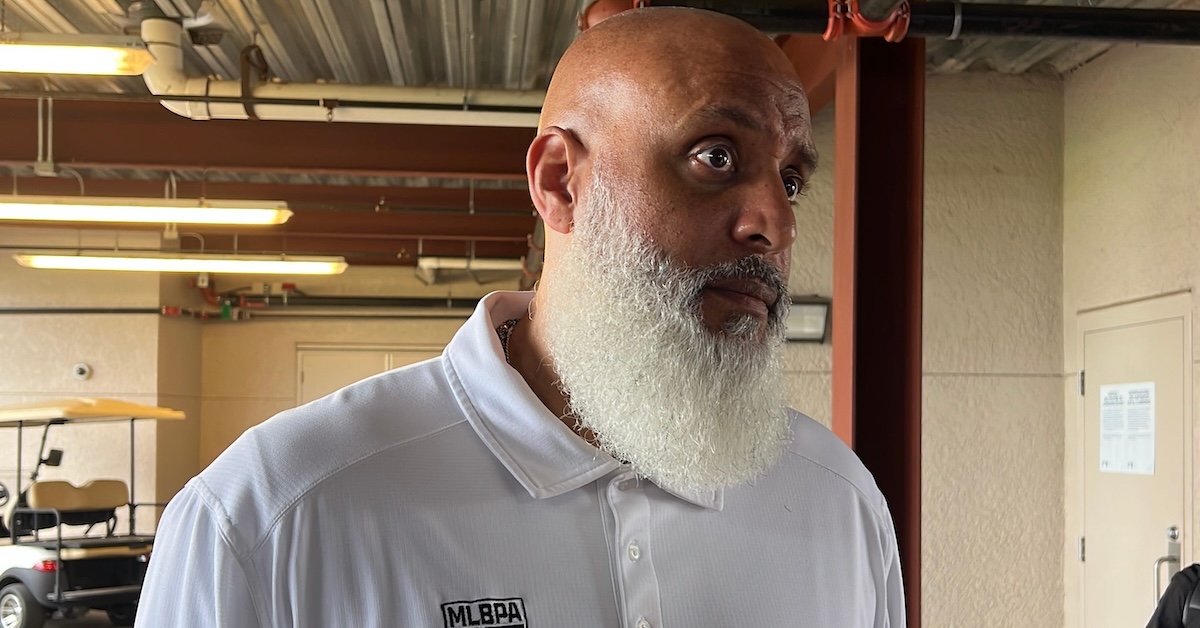
On Tuesday morning, it was reported by The Athletic’s Evan Drellich, Ken Rosenthal and Andy McCullough that Tony Clark was resigning as executive director of the Major League Baseball Players Association, a post he’d held since 2013. The news came the very morning MLBPA leadership was due to start its annual whistle-stop tour through all 30 major league spring training clubhouses. The MLBPA is also preparing for negotiations on a new CBA; all indications are that we’re a little over nine months from a lockout of some length.
While the timing of the announcement was bad, Clark’s ouster was not itself unforeseen. For about a year, federal agents have been investigating both the MLBPA and the NFLPA over financial dealings related to the group licensing firm OneTeam Partners. Clark was also the subject of a November 2024 whistleblower complaint alleging self-dealing and abuse of power regarding the MLBPA-owned youth baseball company Players Way. Surely Clark’s resignation came in advance of another shoe dropping in one or both of those cases.
No, it turns out. On Tuesday afternoon, Jeff Passan and Don Van Natta Jr. of ESPN reported that Clark had resigned in disgrace for a hitherto undiscovered reason: An internal investigation had revealed that he had an “inappropriate relationship” with his sister-in-law, who had been hired to work at the MLBPA in 2023.
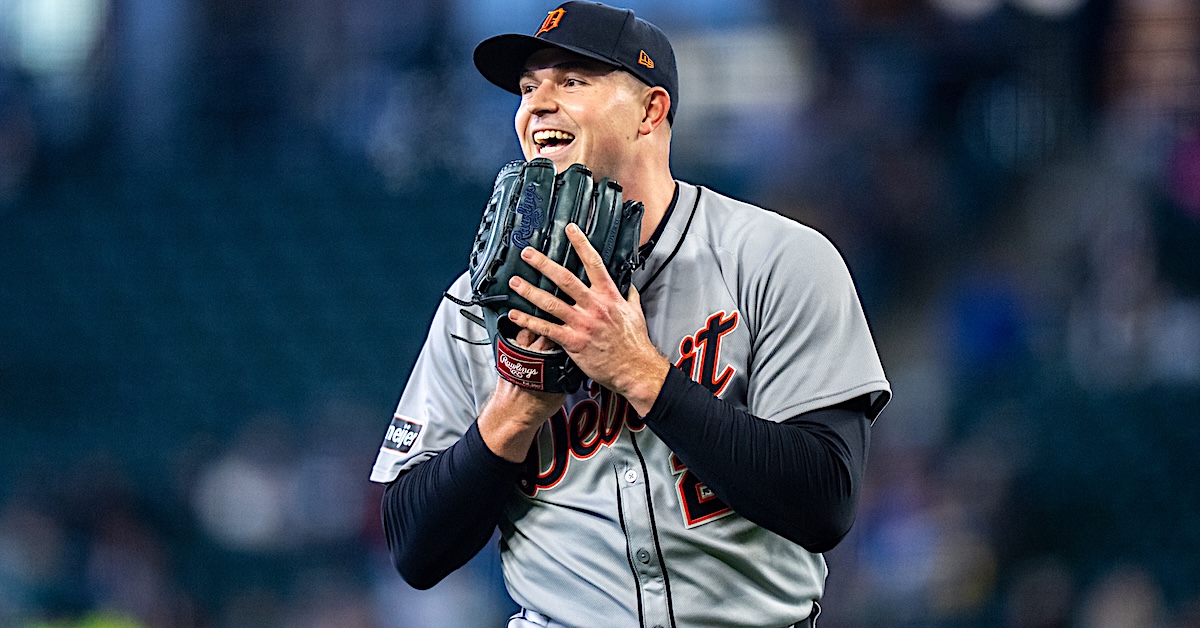
Seldom, if ever, has the baseball world waited on tenterhooks to hear the result of a salary arbitration case, but most arbitration-eligible players are not Tarik Skubal. On this point, the arbitrator seems to have agreed, granting the Tigers left-hander a record $32 million salary for his final year of team control.
Arbitration cases themselves are usually back-page news. The question is not whether a player will return to his previous team, but how much he’ll be paid. Only people who work in baseball and unrecoverable RosterResource addicts care about such things, especially because the club’s offer and the player’s request usually only differ by a small amount. Read the rest of this entry »
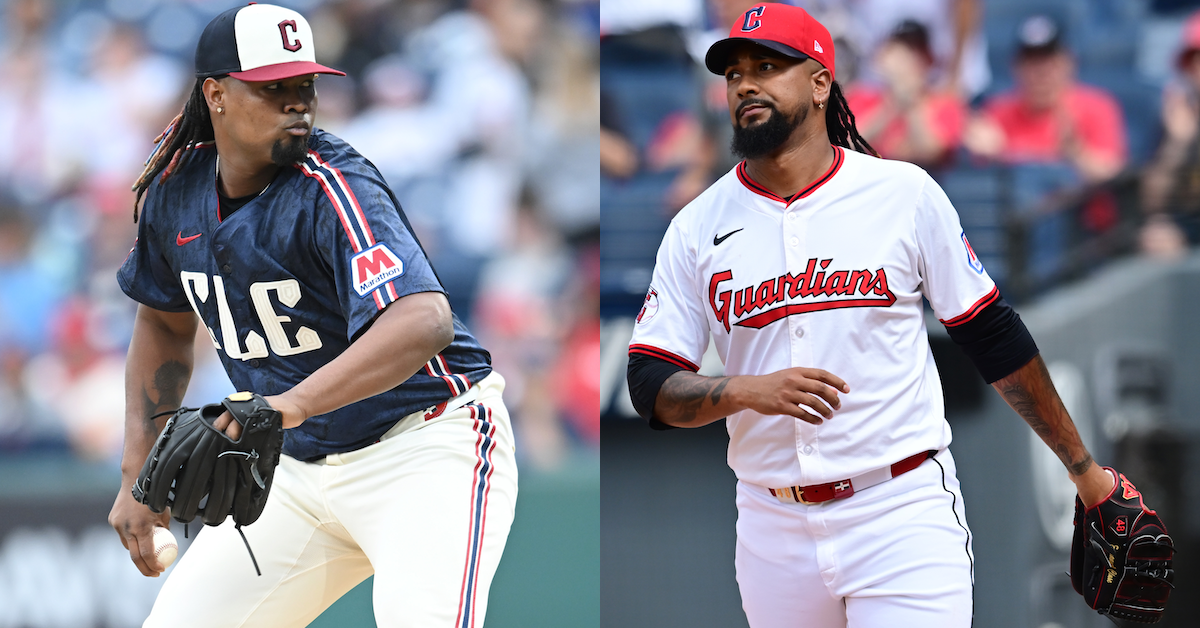
Guardians pitchers Emmanuel Clase and Luis Ortizhave been on non-disciplinary paid leave since July, as Major League Baseball investigated the two men’s involvement in a prop betting scandal. The allegation was that Ortiz had intentionally thrown at least two pitches outside the strike zone after tipping off bettors that he would do so. Armed with this advance knowledge, Ortiz’s confederates had profited in extremely specific prop bet markets.
Clase soon joined Ortiz on the sidelines, though the specifics of his supposed wrongdoing were not made public at the time. Both pitchers spent Cleveland’s terrific stretch run, and its playoff series against Detroit, in limbo.
Well, the other shoe dropped on Sunday, and what a shoe it is. The United States Attorney for the Eastern District of New York indicted the two pitchers on four counts: wire fraud conspiracy, honest services wire fraud conspiracy, conspiracy to influence sporting contests by bribery, and money laundering conspiracy. The first three counts come with a maximum penalty of 20 years imprisonment, each. Money laundering conspiracy has a five-year maximum. Ortiz was arrested in Boston on Sunday morning, and his attorney maintained his client’s innocence in advance of a scheduled Monday court appearance. Clase is not in custody as of this writing, but his attorney says he “is innocent of all charges and looks forward to clearing his name in court.” Read the rest of this entry »
On Thursday, we finally got something approaching an official account of the biggest story in baseball. The details are, somehow, outrageous and astounding, while still presenting a version of events that follows the least salacious plausible narrative.
We’ve known for almost a year that the Oakland Athletics are moving to Las Vegas. Eventually. Someday. And every excruciating step of that process has dominated the news.
Team and city waged a years-long cold war over the construction of a new Bay Area stadium, plans for which finally fell through last year. That tipped off 12 months of open conflict with fans and government in both Oakland and Nevada, stemming from the inconvenient reality that even if the club could finance a stadium in Sin City, it would not be ready before the team’s lease at the Coliseum expired at the end of the 2024 season.
After mooting various solutions, including a stopover in Salt Lake City or the world’s most awkward stadium lease extension, John Fisher’s club is headed for Sutter Health Park in Sacramento, currently home of the San Francisco Giants’ Triple-A affiliate, the Sacramento River Cats.
It’s not ideal. The teams want to have their rosters set, the players don’t want to miss camp if they can avoid it. It’s not great from a content creation/publicity perspective for either the league or the media. Myself included; when we called dibs on writing up the various big free agent signings last fall, I picked Snell and Monty, and I’ve been jumping out of my skin at every Slack notification I’ve gotten since. I haven’t slept in four months!
And the bigwigs at MLB are getting tetchy about it. Two weeks ago, commissioner Rob Manfred told reporters that the league had proposed a free agent signing period to the union in the last round of CBA talks, with the goal of creating “two weeks of flurried activity” that would dominate SportsCenter and settle everyone’s offseason quickly. Manfred’s argument is that concentrating the action would grab baseball much-needed publicity. Publicity leads to attention, and attention to money. Everyone wins. Yesterday, ESPN’s Alden Gonzalez released a reported feature on the idea, including the blindingly obvious reasons why the union left Manfred on read.
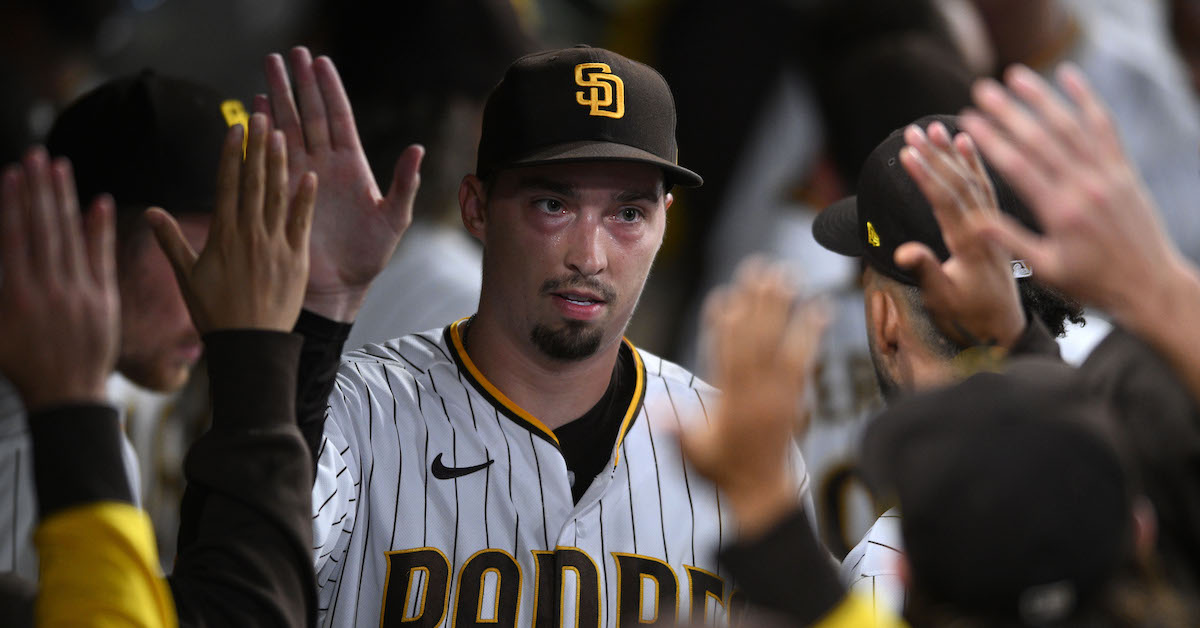
Let’s start with a disclaimer: I don’t expect this to happen. If a Scott Boras client turned down a reported $150 million over six years from the Yankees, he’s not going to settle for a one-year contract. Blake Snell is 31, coming off a Cy Young season, with a less-than-encouraging track record for durability. He should ring the bell now; he’s never going to be more valuable. And he probably will. There will be a lucrative long-term deal for him somewhere, at a high enough dollar figure that Boras can sell it as some kind of record.
But it’s the last proper week of the offseason, and the reigning NL Cy Young winner is still out of work. So let’s speculate a little. More than speculate: Let’s imagine what would happen if Snell and Boras decided to throw caution to the wind and try to max out on a one-year contract. Read the rest of this entry »