
Paul DeJong, Nick Senzel, and the Future of Unlikely Shortstops

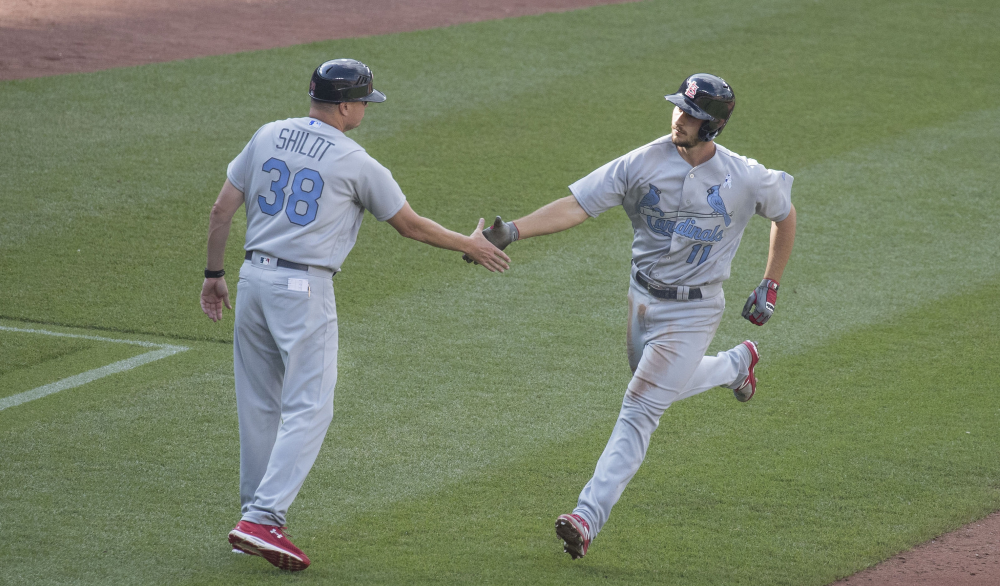
The St. Louis Cardinals selected Paul DeJong in the fourth round of the 2015 draft. DeJong was taken more for his bat than his defense. According to his alma mater Illinois State, for example, DeJong spent time at “second base, third base, catcher, right field, and as the team’s designated hitter” during his third and final season with the Redbirds. While suggestive of positional flexibility, that’s not the usual path of a defensive wizard. During that same campaign, however, DeJong also slashed .333/.427/.605 in 246 plate appearances. That kind of offensive performance can play at multiple positions.
The Cardinals used DeJong mostly third base after drafting him. He played 62 games at the hot corner in his first pro season and followed that up with 112 more starts at third in 2016 — but also 11 starts at shortstop. After some more work at short in the Arizona Fall League and a couple months in Triple-A, DeJong became the starting shortstop for the actual Cardinals, a contending major-league club. He finished second in balloting for the National League Rookie of the Year.
Minor-league third basemen don’t generally develop into major-league shortstops. If playing first base is incredibly hard, playing an adequate shortstop is nearly impossible. Even so, MLB is a copycat league. If an experiment works once, others will try it. Which brings us to the Cincinnati Reds and top prospect Nick Senzel.



