Archive for Featured

The Pre-Arb Bonus Pool Is A Success

Charles LeClaire-Imagn Images

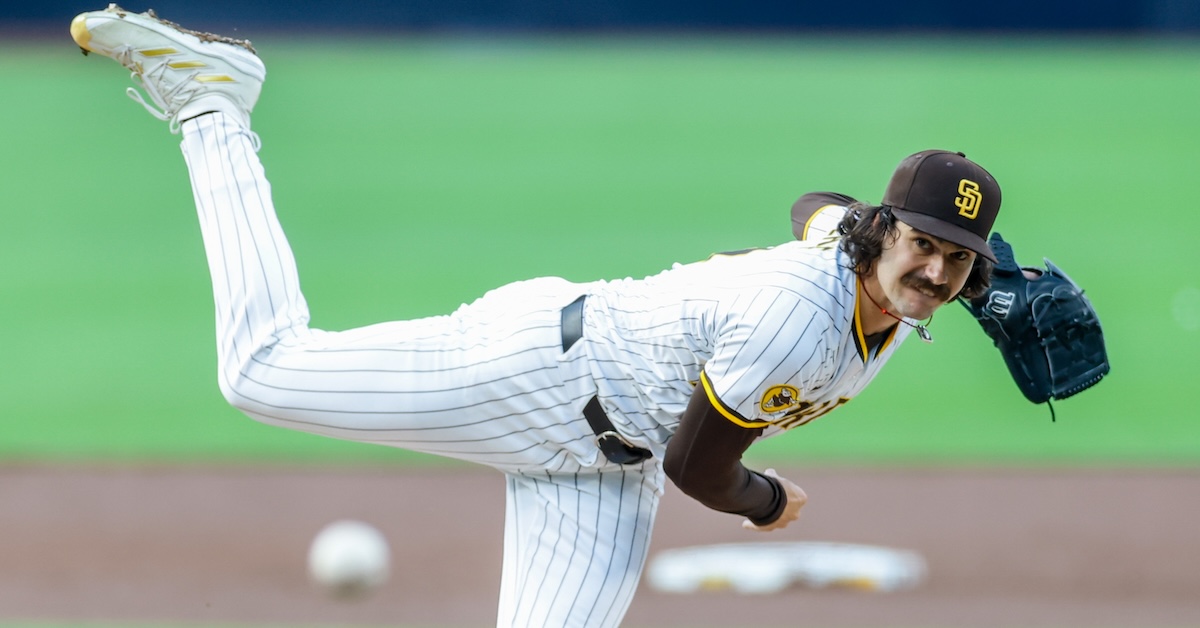
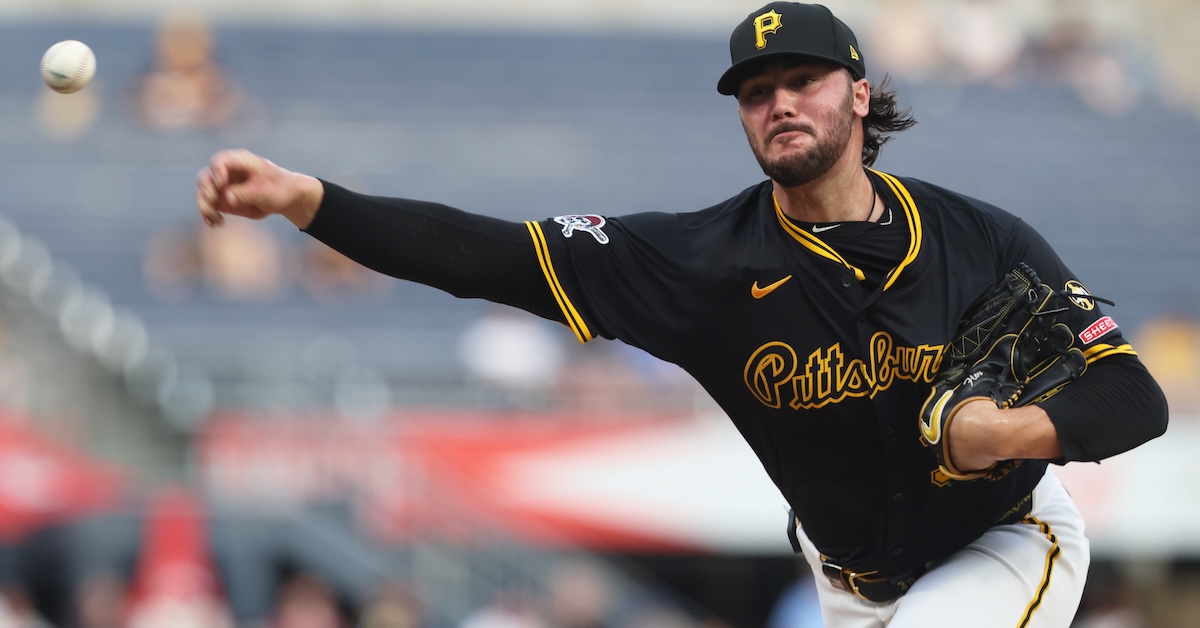
Last week, MLB announced the distribution of the pre-arbitration bonus pool. You probably saw roughly one headline from this: Paul Skenes earned a record $3,436,343 bonus for his spectacular sophomore season. That is indeed great news, in my opinion. Skenes was one of the most exciting and best players in baseball in 2025, and a compensation system that more closely aligns skill with salary is a no brainer to me. But while Skenes’ record haul drew the headlines, the vast majority of the $50 million pool was spread widely; 101 players received bonuses, with all 30 teams boasting at least one awardee.

I’m here to tell you that I think this is a wonderful development. The fund, established in the most recent collective bargaining agreement, takes in $1.67 million from each team every year to fund its $50 million payout. It hands some of that money out to award winners, from $2.5 million for Skenes’ Cy Young Award win down to $150,000 for Daylen Lile’s fifth-place Rookie of the Year finish. The rest goes to the top 100 pre-arbitration players in a WAR formula jointly calculated by MLB and the MLBPA according to a set ratio.

This didn’t feel like a huge part of the CBA at the time it was signed, but in my opinion, it’s been an incredible boon for the game. Baseball’s compensation system has always been out of whack. The service time system limits all pre-arbitration players to the minimum salary, more or less. Teams do occasionally award salaries slightly greater than the minimum ($760,000 in 2025), but generally by a de minimis amount: The Pirates paid Skenes $875,000 this year, for example.

That flat structure means that under the old system, Skenes would have earned roughly $1.6 million in 2024 and 2025, instead of the $7.2 million he’s pocketed under the new system. You can’t convince me that that’s a bad thing. Cristopher Sánchez is an even better example, because unlike Skenes, he didn’t have a huge signing bonus as an amateur — not to mention all the ancillary income the Pittsburgh superstar earns through his various endorsement deals as one of the most recognizable players in the sport. Sánchez just eclipsed three years of service time; through the end of 2024, the Phillies had paid him around $2.5 million in salary for his first two-plus major league seasons. He signed a contract extension that paid him $3.55 million in 2025, bringing his career contractual earnings up to roughly $6 million. Thanks to the bonus pool, though, he’s received an additional $3.5 million over the last three years. That’s a huge difference, and in a clearly good direction for money to flow. Read the rest of this entry »
JAWS and the 2026 Hall of Fame Ballot: Cole Hamels

Chris O’Meara/Pool Photo via USA TODAY Sports

The following article is part of Jay Jaffe’s ongoing look at the candidates on the BBWAA 2026 Hall of Fame ballot. For a detailed introduction to this year’s ballot, and other candidates in the series, use the tool above; an introduction to JAWS can be found here. For a tentative schedule and a chance to fill out a Hall of Fame ballot for our crowdsourcing project, see here. All WAR figures refer to the Baseball Reference version unless otherwise indicated.

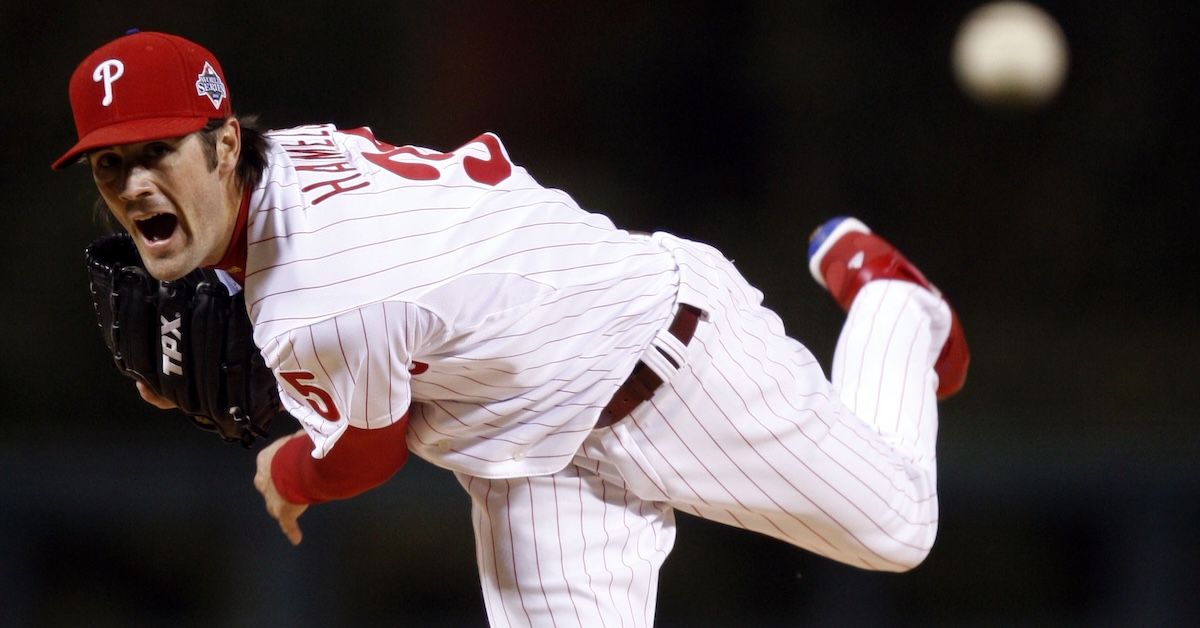
Before he turned 25 years old, Cole Hamels had already reached the pinnacle of the baseball world. At the tail end of his third major league season, the lanky lefty — listed at 6-foot-4, 205 pounds — had gone 4-0 with a 1.80 ERA during the 2008 postseason, leading the Phillies to their first championship since 1980 and winning NLCS and World Series Most Valuable Player honors along the way. Suddenly, the aura he projected — a handsome laidback surfer from San Diego — needed an upgrade. He became a celebrity, expected to dress the part and live up to outsized expectations, both of which he did with some amount of awkwardness but a fair level of success.

Hamels spent the first 9 1/2 seasons of his major league career with the Phillies, part of the nucleus that helped them climb out of the doldrums to become a powerhouse that won five straight division titles. Armed with a fastball that could reach the mid-90s, an above-average curve, and a killer changeup — inspired by watching Padres closer Trevor Hoffman in his heyday — Hamels was a master of deception thanks to his consistency in throwing those three pitches from the same release point. “It’s devastating for a hitter when all of them look like a fastball, and two of them aren’t,” pitching guru Tom House, who worked with Hamels when he was a junior in high school, told Sports Illustrated’s Ben Reiter in 2009.

Hamels’ career wasn’t without hiccups. He missed significant time due to injuries while in the minors, including both the usual arm troubles and a fracture in his pitching hand, sustained during a barroom brawl while standing up for a close friend. Although he helped the Phillies get a shot at repeating their title in 2009, his postseason was a disaster; during the World Series against the Yankees, he nearly came to blows with teammate Brett Myers. At times he was overshadowed by other members of his rotation, Cy Young winners for whom the Phillies traded in case Hamels wasn’t enough, namely Cliff Lee and Roy Halladay. For as well as he pitched, Hamels himself never came close to winning a Cy Young, and he made just four All-Star teams. Read the rest of this entry »


Matt Manning Is Going to Korea

Wendell Cruz-USA TODAY Sports

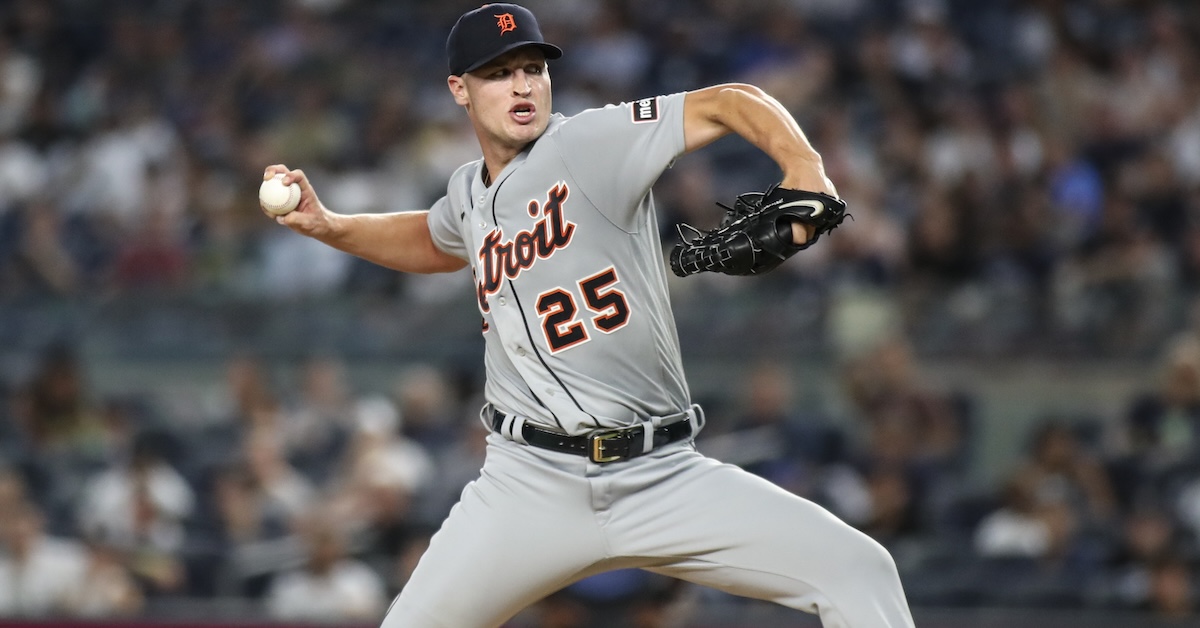
The Samsung Lions of Daegu, South Korea, have entered the free agent market, scooping up former Detroit Tigers prospect Matt Manning on a one-year, $1 million deal. All Manning needs to do now is find a team called the Bears, and he’ll have the whole set.

Manning, 27, has a career 4.43 ERA in 50 starts in the majors, none since 2024. But he’s more famous than most players with those credentials, on account of being Detroit’s no. 1 pitching prospect for multiple years. Being a team’s no. 1 pitching prospect is not always as impressive as it sounds; at the moment, there are multiple teams without any minor league pitchers with a future value grade over 45 on The Board.

But for the Tigers, in the early 2020s, being no. 1 was a big deal. On the 2020 list, Manning was the no. 12 prospect in all of baseball, followed by Casey Mize, Riley Greene, Tarik Skubal, and Isaac Paredes in Detroit’s system. In 2021, Manning fell behind the previous year’s top draft pick, Spencer Torkelson, but still rated ahead of Skubal and Mize, in that order. Read the rest of this entry »


JAWS and the 2026 Hall of Fame Ballot: Félix Hernández

Joe Nicholson-USA TODAY Sports

The following article is part of Jay Jaffe’s ongoing look at the candidates on the BBWAA 2026 Hall of Fame ballot. For a detailed introduction to this year’s ballot, and other candidates in the series, use the tool above; an introduction to JAWS can be found here. For a tentative schedule and a chance to fill out a Hall of Fame ballot for our crowdsourcing project, see here. All WAR figures refer to the Baseball Reference version unless otherwise indicated.

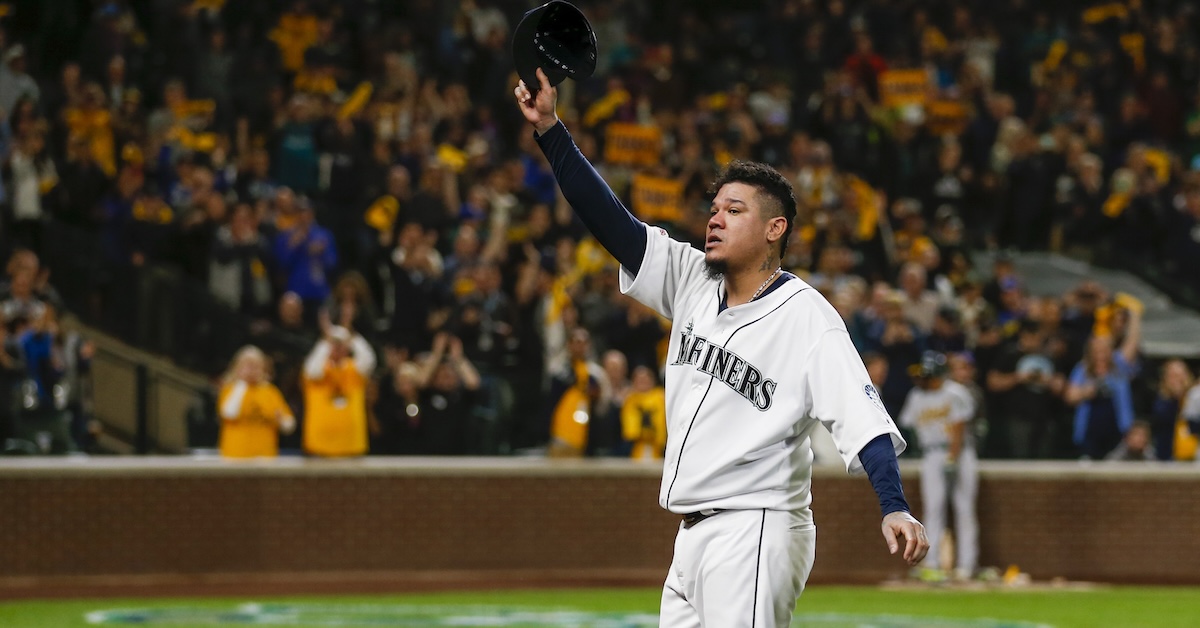
Before he’d ever thrown a major league pitch, cracked a prospect list, or reached legal adult status, Félix Hernández had a nickname: King Felix, crowned by U.S.S. Mariner blogger Jason Michael Barker on July 17, 2003, when he was overpowering much older hitters as a 17-year-old in the Low-A Northwest League. Still a teen when he reached the majors, he quickly came to represent the hopes and dreams of a franchise that had fallen short of a World Series despite four playoffs appearances from 1995–2001; parted with superstars Randy Johnson, Ken Griffey Jr., and Alex Rodriguez along the way; and capped that run with a record-setting 116 wins but a premature exit in the ALCS.

Though slow to embrace the royal moniker, Hernández grew into it. His dazzling combination of an electrifying, darting sinker, a knee-buckling curve, and a signature hard changeup propelled him to a Cy Young Award, two ERA titles, six All-Star appearances, and a perfect game. From 2009–14, he was the best pitcher in the American League by ERA, FIP, strikeouts, and WAR, parlaying that into a contract that made him the game’s highest-paid pitcher. Unfortunately, a heavy workload — more innings than any pitcher 23 or younger since Dwight Gooden two decades earlier — sapped the sizzle from his fastball, with injuries and a cavalier approach to conditioning taking their toll as well. The Mariners struggled to surround him with a quality roster while cycling through managers and pitching coaches every couple of years. The team didn’t reach the playoffs once during Hernández’s career, finishing above .500 just five times, with a pair of second-place showings in the AL West as good as it got. Read the rest of this entry »


The Unscoopable Elly De La Cruz

Kiyoshi Mio-Imagn Images

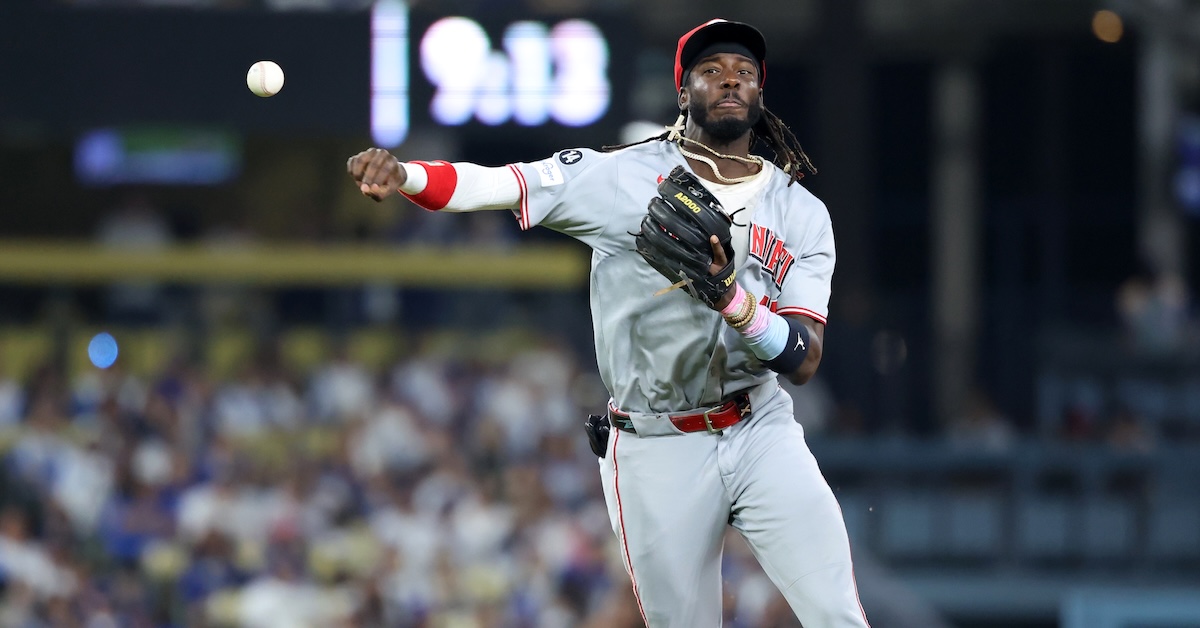
So I had this brilliant theory. My brilliant theory was that Elly De La Cruz wasn’t as bad a defender as the numbers would have us think. De La Cruz finished the 2025 season with 11 fielding errors, the second most in baseball, and 15 throwing errors, also the second most in baseball. Put those two together and you get 26 total errors, the most in baseball. I thought those totals might be shortchanging De La Cruz a bit. My brilliant theory was wrong, but before I get to why, let me explain my thinking.

We should start with the fact the advanced numbers do not say that De La Cruz is a bad shortstop. He makes up for most of his errors with length, speed, and the Mega Man cannon where his right arm should be. Statcast’s FRV loved De La Cruz’s defense in 2024, and it pegged him as perfectly average as he battled through a quad strain in 2025. Baseball Prospectus’ DRP, which tends to skew more conservative than the other advanced metrics, had him at 0.8 runs in 2024 and -0.4 runs in 2025. Sports Info Solutions’ DRS has always liked De La Cruz’s defense the least, pegging him at -2 in 2024 and -5 in 2025. So it’s not as if De La Cruz is grading out as a catastrophe. I just thought he deserved even more credit, and with that credit, we might have started seeing him as an above-average shortstop rather than a good-enough shortstop. Read the rest of this entry »


Sunday Notes: The Red Sox Expect Sonny Gray to Be Better Than Walker Buehler

The Boston Red Sox made a pre-Thanksgiving trade on Tuesday, acquiring Sonny Gray from the St. Louis Cardinals in exchange for 25-year-old right-hander Richard Fitts and hard-throwing prospect Brandon Clarke. How well the deal works out for Craig Breslow’s club is anyone’s guess — my colleague Michael Baumann wrote that he couldn’t “declare this trade to be a robbery in either direction” — but the 36-year-old righty does have a track record of reliability. Gray has graced a big-league mound 92 times over the past three seasons, gobbling up 531 innings and posting a 3.63 ERA as well as a 3.11 FIP. If he can continue to fend off Father Time a while longer, the erstwhile Vanderbilt Commodore will add value to the Red Sox starting rotation.

A Vandy product Boston brought on board as a free agent last winter came to mind when the trade was announced. That would be Walker Buehler, who despite high hopes ultimately proved to be a bust. Unable to return to old form, the veteran righty struggled to a 5.45 ERA over 112-and-a-third innings and was cut loose by the Red Sox in late August.

There are clear differences between the two pitchers — their respective health histories particularly stand out — but they nonetheless have things in common. One is a diverse repertoire. Another is a lack of high-octane heaters.

Buehler was in the 43rd percentile for fastball velocity in 2025, while Gray was in just the 16th percentile. As Baumann pointed out, the latter “has started leaking fastball velocity… [but has] compensated by leaning into a cutter and changeup, making him a legit six-pitch pitcher since 2023.” Meanwhile, the 31-year-old Buehler leaned heavily on a six-pitch mix while compensating for the velocity he lost following Tommy John surgery in 2022. Read the rest of this entry »


FanGraphs Weekly Mailbag: November 29, 2025

Jonathan Dyer-Imagn Images

As Members of our site, you probably know by now that FanGraphs goes dark on most national holidays, as we were the past two days. We believe our staff deserves to enjoy holidays without having to worry about working, and our readers tend to have plans that don’t involve reading about baseball or staring at statistics on a screen. The exception is when news breaks that would prompt our readers to stop what they’re doing and rush to the site for analysis, such as a major transaction involving a star player. So for a few hours on Wednesday afternoon, as chatter picked up that Dylan Cease was nearing a deal with the Blue Jays, Meg and I both prepared for the possibility that we might need to work a bit on Thanksgiving, especially because the team in question plays in a country that doesn’t observe the holiday on the same day Americans do. Fortunately — ahem, thankfully — Cease agreed to a seven-year, $210 million contract with Toronto in time for Michael Baumann to write up the news and for us to edit and publish it Wednesday night.

The Cease signing was the latest move in what has already been a fairly active offseason. The Cardinals traded starting pitcher Sonny Gray to the Red Sox on Tuesday, two days after the Mets and Rangers made a one-for-one swap of former All-Stars. I learned of the Brandon Nimmo-for-Marcus Semien exchange around 2 AM Central European Standard Time on Monday, after I made the chaotic decision to wake up and watch the Rams-Buccaneers game before what turned out to be a roughly 24-hour travel day from Italy to New York. Following my initial surprise, I couldn’t help but wonder if Nimmo’s former teammate Matt Harvey would once again pitch for Team Italy in the upcoming World Baseball Classic.

We won’t be covering any of these moves in this week’s mailbag. Instead, we’ll be answering your questions about the best unmade baseball movie, JJ Wetherholt, the marginal value of team runs scored and individual offensive production, and more. Before we do, though, I’d like to remind you that this mailbag is exclusive to FanGraphs Members. If you aren’t yet a Member and would like to keep reading, you can sign up for a Membership here. It’s the best way to both experience the site and support our staff, and it comes with a bunch of other great benefits. Also, if you’d like to ask a question for an upcoming mailbag, send me an email at mailbag@fangraphs.com. Read the rest of this entry »


Blue Jays Render Unto Cease What Is Cease’s: $210 Million

David Frerker-Imagn Images

The stove was already hot the week before Thanksgiving. But on Wednesday evening, the Toronto Blue Jays threw some logs on the fire and aimed a leaf blower at the damn thing, and now the proverbial stove is hot enough to melt soda cans into aluminum ingots.

Dylan Cease has signed with the reigning AL champions, and for what they offered him — $210 million over seven years — you’d be packing your bags for Canada, too. Looks like someone can shell out for the fancy cranberry sauce this Thanksgiving. Read the rest of this entry »


Stick Wyatt Langford in Center, Cowards!

Kevin Jairaj-Imagn Images

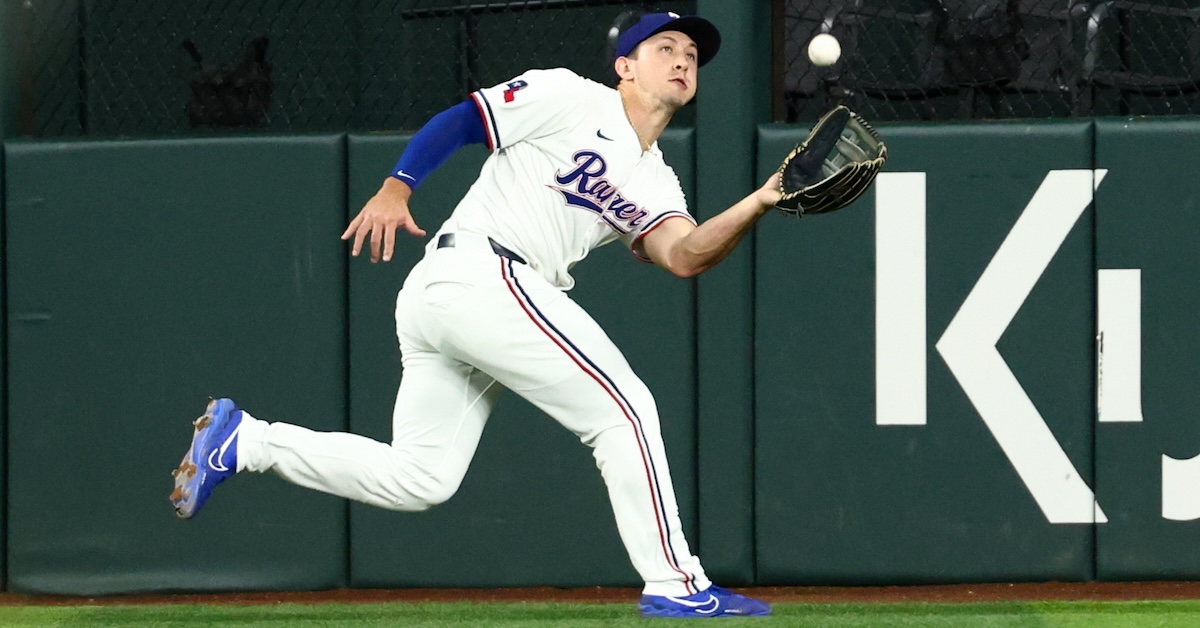
During an introductory press conference for outfielder Brandon Nimmo this week, Rangers president of baseball operations Chris Young somehow expressed both confidence and uncertainty about his newest acquisition. Nimmo, he said, would handle right field for the Rangers in 2026, though he didn’t sound too sure about it.

“We’re not 100 percent committed to [Nimmo in right],” Young told reporters on Monday. “I think it’s likely where he’ll play, but [those are] conversations that we’ll have with Brandon, with [manager] Skip [Schumaker] and with Wyatt [Langford], and really making sure that we understand all aspects of this and where they’re most comfortable. I do think we have three very good, talented, very talented outfielders. At the outset, I think it’s likely Brandon plays right, but I think that’s a further conversation.”

There are a number of considerations here. Nimmo, at this phase of his career, is almost certainly best in left field. His knees are jacked up; his arm is noodle-adjacent. Evan Carter nominally profiles as a center fielder, but injuries have kept him off the field for much of the last two seasons; it’s possible a corner could be the best way to ensure his availability. Langford’s known right field experience is limited to a single game for the 2022 Peninsula Pilots of the collegiate summer Coastal Plain League.

In my view, there’s only one way to sort this mess out: Commit to playing Langford in center. Read the rest of this entry »


JAWS and the 2026 Hall of Fame Ballot: Chase Utley

Scott Rovak-USA TODAY Sports

The following article is part of Jay Jaffe’s ongoing look at the candidates on the BBWAA 2026 Hall of Fame ballot. For a detailed introduction to this year’s ballot, and other candidates in the series, use the tool above; an introduction to JAWS can be found here. For a tentative schedule and a chance to fill out a Hall of Fame ballot for our crowdsourcing project, see here. All WAR figures refer to the Baseball-Reference version unless otherwise indicated.

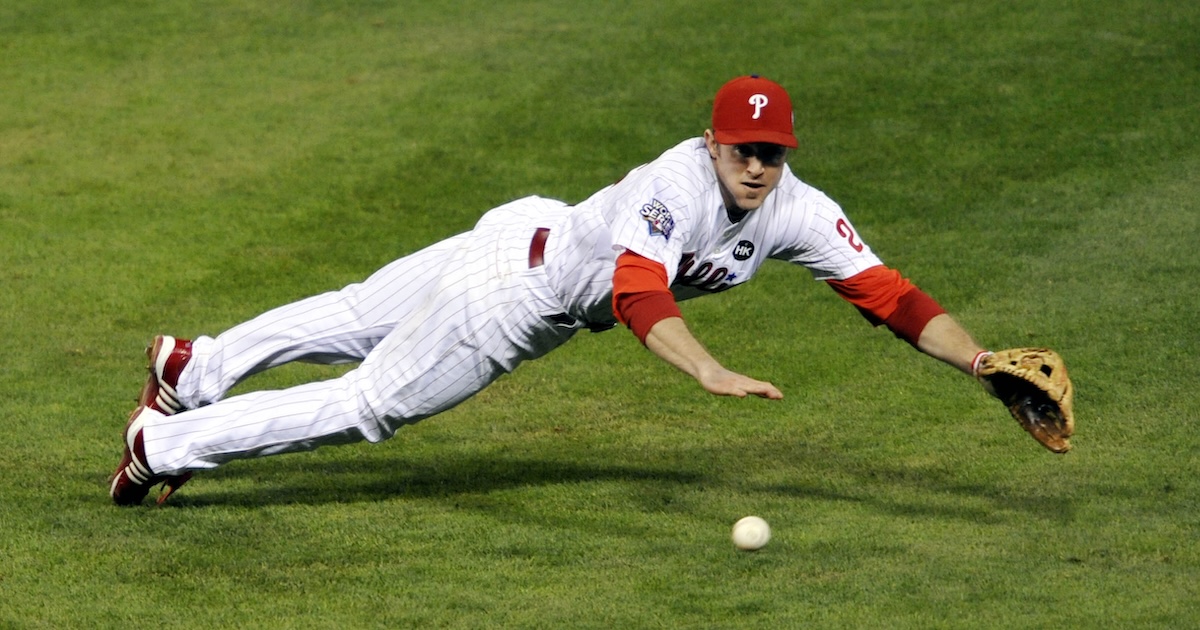
When the Phillies returned to contention following a slide into irrelevance in the wake of their 1993 National League pennant, shortstop Jimmy Rollins, first baseman Ryan Howard, and lefty Cole Hamels gained most of the attention. Howard all but ran Jim Thome out of town after the latter was injured in 2005, then mashed a major league-high 58 homers in ’06 en route to NL MVP honors. Rollins, the emotional center of the team, carried himself with a swagger, declared the Phillies “the team to beat” at the outset of 2007, then won the MVP award when the team followed through with a division title. Hamels debuted in 2006 and became their ace while making his first All-Star team the next season. In the middle of all that, as part of the nucleus that would help the Phillies win five straight NL East titles from 2007–11, with a championship in ’08 and another pennant in ’09, Chase Utley was as good or better than any of them, though the second baseman hardly called attention to himself.

Indeed, Utley seemed to shun the spotlight, playing the game with a quiet intensity that bordered on asceticism. He sped around the bases after hitting home runs, then reluctantly accepted high-fives in the dugout. “I am having fun,” he told the Philadelphia Inquirer’s Andy Martino in 2009. “When I’m on the baseball field, that’s where I love to be. I’m not joking around and smiling. That competition, that heat-of-the-battle intensity, that’s how I have fun.” Read the rest of this entry »