
Ben Clemens FanGraphs Chat – 1/26/26
by Ben Clemens

January 26, 2026
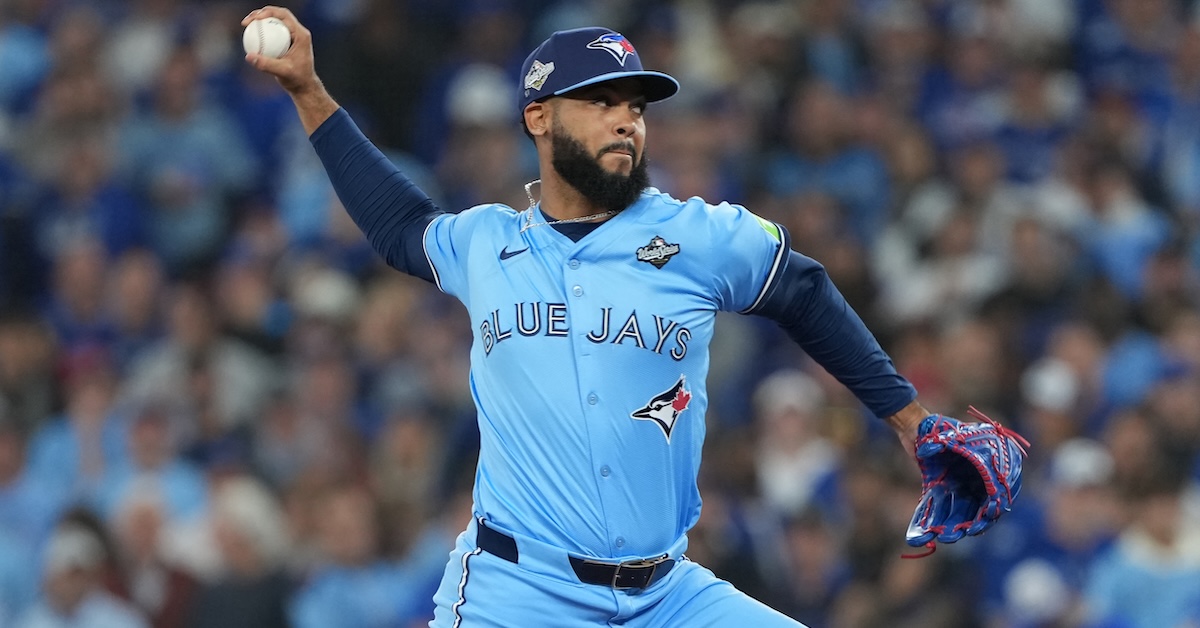
Last week, the White Sox admitted defeat in their handling of Luis Robert Jr.’s contract, shipping him out to the Mets for two lottery tickets and salary relief. That salary relief must have been burning a hole in their pocket, though. Or perhaps someone looked at their books, said “Guys, we play in Chicago but we’re projected for the lowest payroll in baseball and people are going to talk,” and handed GM Chris Getz a list of players who hadn’t yet signed. In any case, Seranthony Domínguez and the White Sox have agreed to terms on a two-year deal worth $20 million, as ESPN’s Jeff Passan first reported.
The right-handed Domínguez is no stranger to high-pressure relief work. In both the 2022 and 2023 postseasons, he appeared in mid- and high-leverage situations for the Phillies, and he handled them quite well (1.13 ERA, 0.78 FIP in 16 innings). In 2024, Philadelphia didn’t have much use for his services after his slow start, and so they sent him and Cristian Pache to the Orioles for platoon bat Austin Hays (whom they promptly non-tendered after the season). The O’s employed Domínguez for a year (he made two appearances for them in the playoffs), then dealt him and cash to the Blue Jays in exchange for Juaron Watts-Brown, a 40-FV relief prospect. He pitched for the Jays in October, and memorably had some ups and downs in their long run.
In other words, playoff teams have been employing Domínguez for years, but they haven’t been placing particularly high importance on his performance. He’s twice been traded to contenders in deadline deals, and at no point did his suitors offer much to get him. Those teams considered him a mid-leverage option; even the Blue Jays had him as a second-tier option out of their weak-link bullpen that flailed its way through October. Read the rest of this entry »

The following article is part of Jay Jaffe’s ongoing look at the candidates on the BBWAA 2026 Hall of Fame ballot. For a detailed introduction to this year’s ballot, and other candidates in the series, use the tool above; an introduction to JAWS can be found here. For a tentative schedule, see here. All WAR figures refer to the Baseball Reference version unless otherwise indicated.
Last week, BBWAA voters elected Carlos Beltrán and Andruw Jones to the Hall of Fame — and in doing so, they once again foiled my chances at a perfect five-year projection of upcoming elections. Not that I had any real expectation of running the table given my spotty track record regarding this endeavor, but while a year ago I correctly projected that Beltrán, who received 70.3% on the 2025 ballot, would make it this year, I was somewhat surprised that Jones, who received 66.2% last time — leaving him with what has typically been roughly coin-toss odds of reaching 75% the next year — made it as well.
If I’ve learned anything from 14 years of doing these five-year outlooks, dating back to the wrap-up of my 2014 election coverage at SI.com, it’s humility, because there are far more ways to be wrong in this endeavor than to be right; when a candidate gets elected more quickly than I expect, or lags relative to my expectations, it creates a ripple effect. The presence of a high-share holdover means less space for and less attention paid to the mid-ballot holdovers, so clearing one from the ballot can have ramifications that won’t be felt for a few years; likewise, a more rapid election than predicted can accelerate other candidates’ timelines. What’s more, the Hall can change the rules for election without warning, and candidates can do unforeseen things that compromise their chances.
The first time I tried this was so long ago that candidates still had 15 years of eligibility instead of 10, so I could afford to project Tim Raines for election in 2018, his 11th year of eligibility. The Hall’s unilateral decision to truncate candidacies to 10 years would come just months later, though thankfully voters accelerated their acceptance of Raines, who was elected in 2017. Both the eligibility shortening and Hall vice chairman Joe Morgan’s open letter pleading with voters not to elect candidates linked to performance-enhancing drugs changed the landscape in ways I couldn’t foresee. Meanwhile, Ichiro Suzuki made a two-game comeback that bumped his eligibility back a year, Curt Schilling found increasingly elaborate ways to offend voters, Omar Vizquel became the subject of multiple allegations of domestic violence against his wife and sexual harassment of an autistic batboy, and Beltrán lost a shot at first-year election because of his involvement in the Astros’ illegal sign-stealing scheme. My Magic 8 Ball didn’t see any of that coming. Read the rest of this entry »
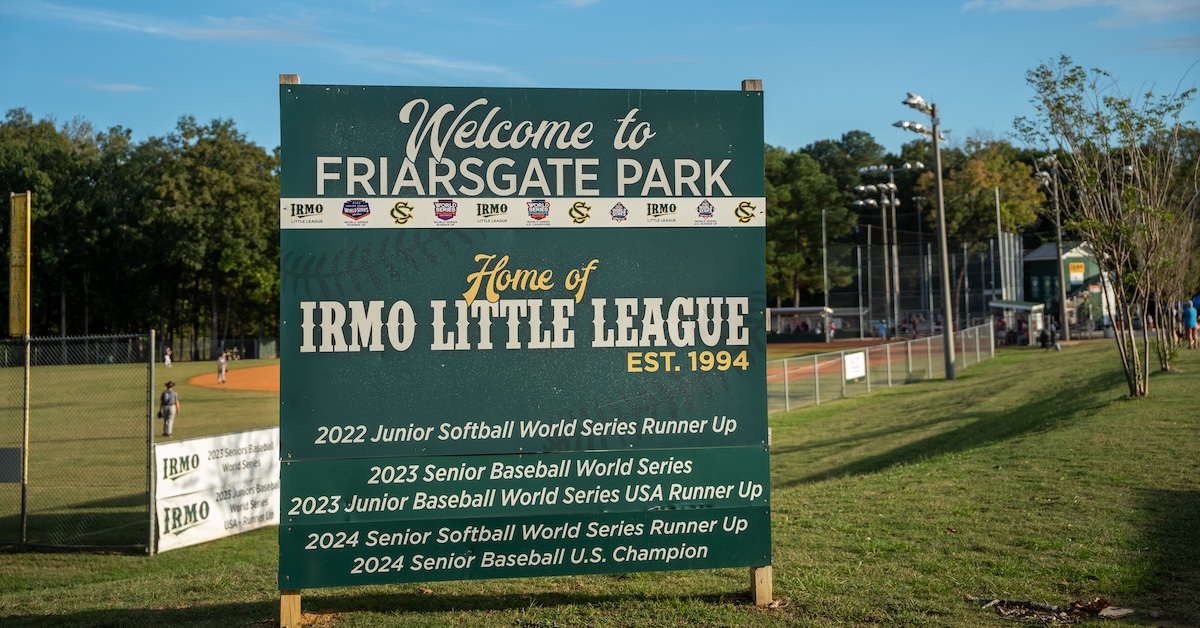
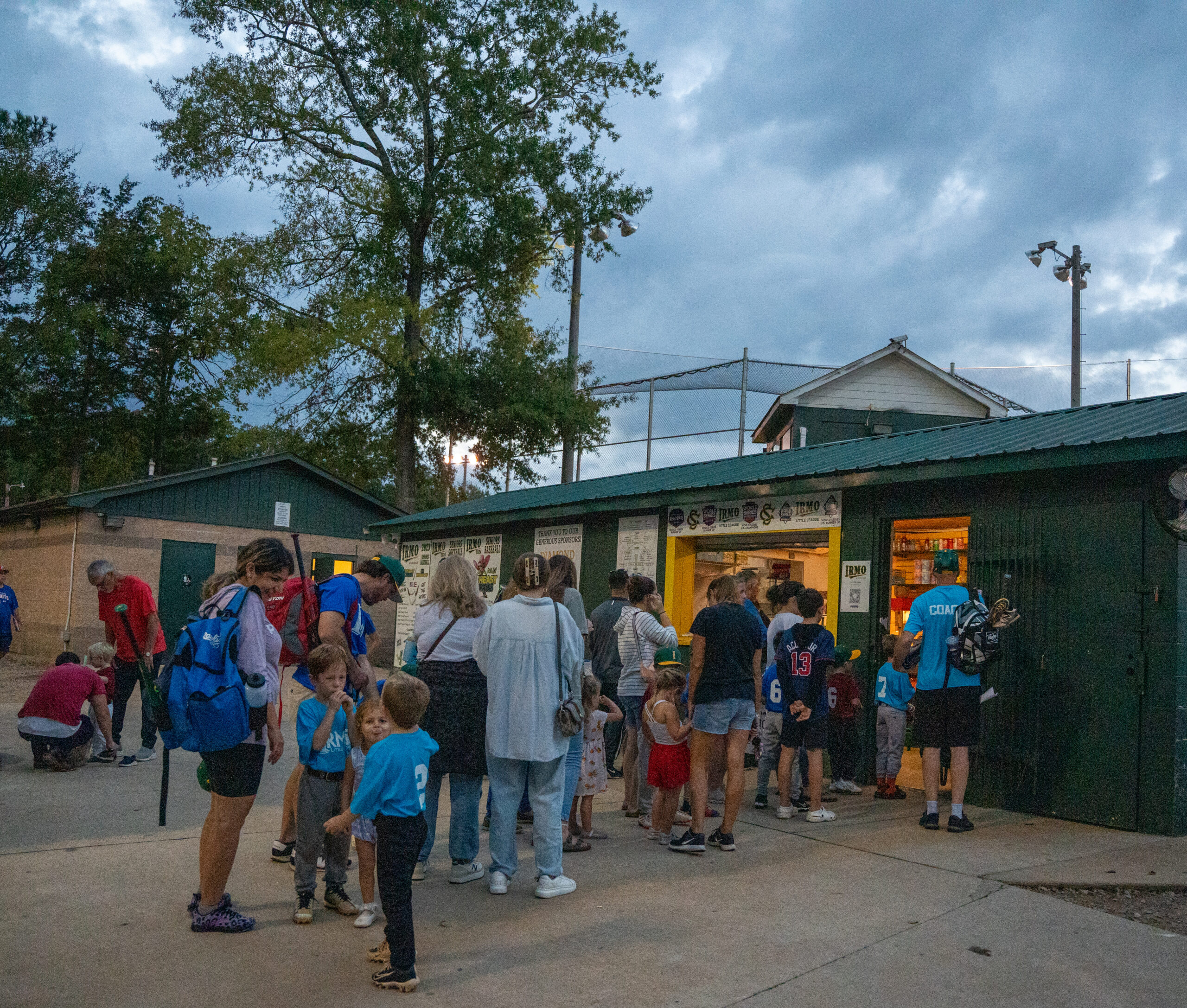
IRMO, S.C. — At Friarsgate Park, there’s never enough parking. Whenever there’s a baseball game, the lot gets full and drivers find spots on the grass next to the sidewalk. Eventually, the parking lot over at the elementary school fills, too.
It’s only a week night, but there’s so much commotion — and this isn’t for a tournament, just fall baseball games.
“It’s the old ‘Field of Dreams,’” said Bobby Jenson, Little League president. “If you build it, they will come. If you build the right atmosphere, people will come because, if it’s 60, 70 degrees and you’re just relaxed and you’re getting peanuts or popcorn or sunflower seeds, and just watching a game of baseball — it’s just no better place I’d rather be.”
This is Irmo, South Carolina, the most baseball a baseball town can be.
Irmo is so baseball that last year it sent not one, not two, not three, but four teams in different divisions to the Little League World Series — baseball teams of up to 12-, 13- and 16-year-old boys, along with a girls softball team. Little League has seven divisions, each of which holds a national tournament of top teams every year, the World Series. Do the math: One community sent clubs to more than half the national competitions.
Irmo is so baseball that championship jerseys hang in local restaurants as relics of pride with signatures of the ball players, who are treated as local celebrities.
Irmo is so baseball that even though the South Carolina Golf Association is just a few miles down the road from the ball fields, there isn’t even a golf course in town. It closed several years ago.
It’s hard to find someone not connected to Irmo Little League.
“I’ve lived in North and South Carolina my whole life and baseball is very important here,” said Matt Westbrooks, a Little League parent. “We’re shocked that we don’t have a major league team yet. And I will tell you, Irmo Little League is doing it right. If you’re not involved, you need to be involved. It’s a great place to have your kids. It’s a great place to learn about baseball.”
Irmo is 20 minutes away from Columbia and is full of Southern charm. Local businesses coexist with typical chain restaurants and retail stores, and with the South Carolina Gamecocks competing close by, there’s an SEC rooting interest.
Lake Murray is just to the west of town and has 650 miles of shoreline. The Big Bass Tour hosts tournaments on the lake each fall and spring that draw people to Irmo. But there’s always plenty of folks fishing. Some of the players often trade in bats for fishing rods.
Irmo is home to the annual Okra Strut, a two-day festival with a parade that was started by the Lake Murray-Irmo women’s club 50 years ago. Initially, the goal was to fundraise money to build a new library, but that only took seven years.
It still remains the town’s most cherished celebration, but the Williamsport team of up to 12-year-olds couldn’t attend the strut this year — the Atlanta Braves were hosting the little leaguers for their game against the Pittsburgh Pirates.
Irmo Little League has been around for a while, and baseball has been considered America’s favorite pastime for a lot longer, so why is it just now that Irmo is so good?
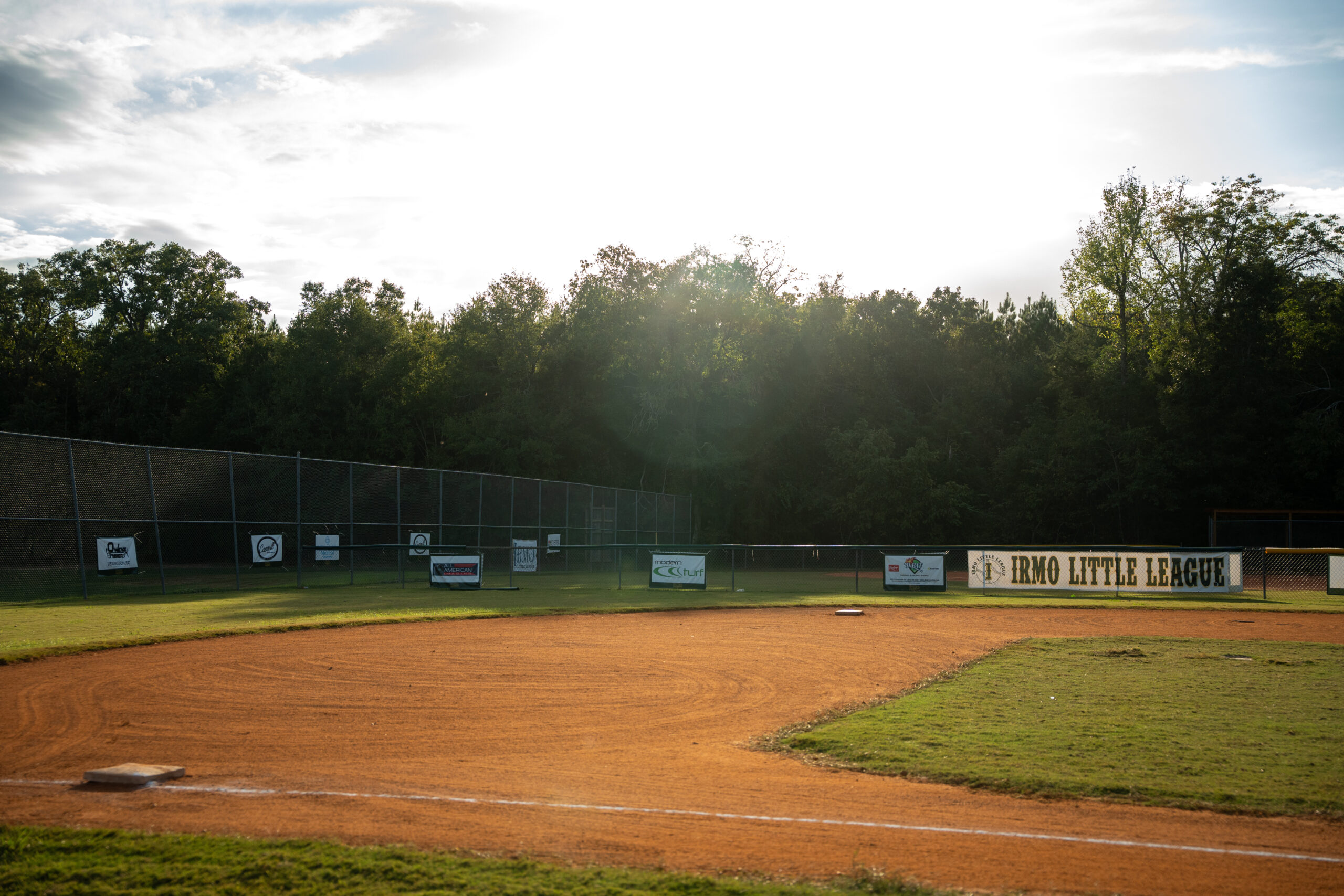
One reason is facilities. At Friarsgate, there are four large fields, three for baseball and one for softball. Right at the park’s entrance, there are two smaller fields for t-ball.
The fall season for Irmo Little League is dedicated to teaching young players the game and developing skills. Scores aren’t kept, the outfield boards remain off, and coaches interrupt the game action for pivotal teaching moments. But in the spring, kids are playing to make an All-Star team with the chance to make a Little League championship bracket and coaches want the chance to make the trip North, too.
Registration for the spring starts in December and ends in the middle of January. In February, players are evaluated and the regular season teams are formed, practices begin and games run for seven weeks starting in early March.
At 9 a.m. on opening day there’s a parade — it’s a town spectacle. All teams take the field that day and Jensen said 5,000 people normally attend.
“Oh my gosh, it was like if Norman Rockwell was here today, like what he would create for a town celebration,” said Jill Giulietti, mother of one of Irmo’s star sluggers. “It was so charming.”
The fences surrounding each field and the press box structures behind home plate are covered in banners of previous Irmo Little League teams that won state championships or reached a Little League World Series. The sign from 2009 sits next to more recent champions. It might be old, but the cracks in it are an important reminder of how much Irmo Little League has grown.
The fields didn’t always have lights, they didn’t always have scoreboards, there wasn’t always a paved walkway providing better accessibility to the fields. It took commitment from the community and investing to get here.
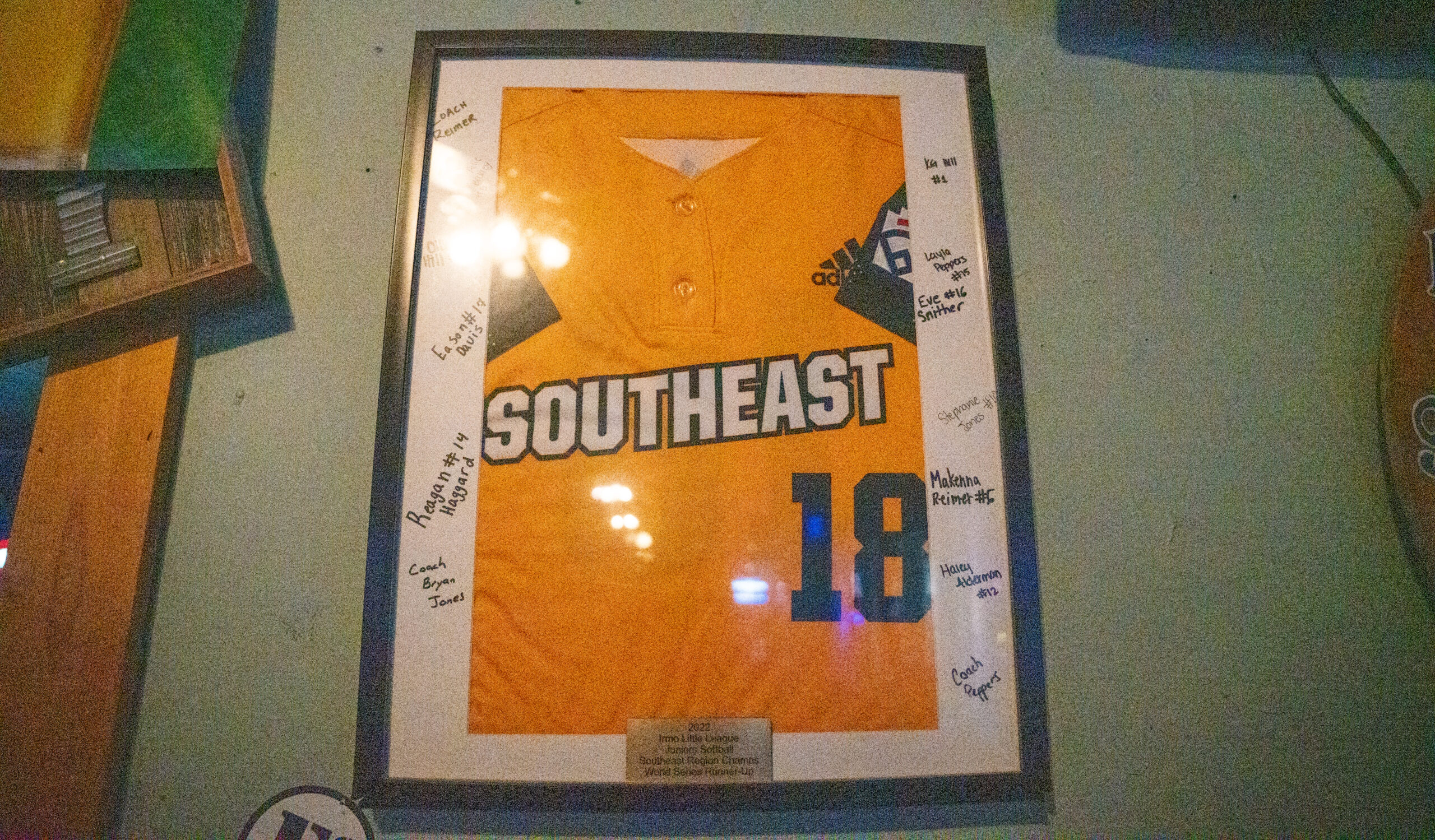
Baseball may have come first, but softball is what put Irmo Little League on the map. In 2022, the juniors team made it to the World Series in Seattle and came in second. Their Southeast jersey is framed at Lucky’s Burger Shack — it’s the place everyone flocks to when Irmo teams play in the World Series. The lineups are always posted and the regulars enjoy knowing who to root for each night.
“You don’t necessarily have to be family to be supportive of each other,” restaurant manager Kim Laniere said. “Everybody becomes aunts and uncles and brothers and sisters, you know, they all adopt whoever the kids are.”
Irmo is the first local Little League to send four teams to their respective World Series in one season and it sent two teams in 2023 and 2024. But it’s not so simple to make that final tournament.
“It’s very hard, and for these players and families, there’s a lot of commitment that they make,” Jenson said.
Once All-Star teams are announced at the end of the spring regular season, practices begin and they’re intense. This year’s team that went to Williamsport practiced in the evenings three to four nights a week, starting at 7 p.m. to try and avoid the heat of the day. Practices were slotted for an hour and a half but it wasn’t unusual if they ran late and the crew shut down Friarsgate.
Manager Dave Bogan prepared his players intentionally and vigorously — they worked hard. His son, Andrew, was on the team, and his oldest, Jake who also played up through Irmo Little League, now goes to Dutch Fork High School.
“They got some of the high schoolers to come down and pitch to us, like throwing 70, 75, fastball, curveball, like all the pitches to get us ready for what we’re gonna face,” said Joe Giulietti, pitcher and third baseman.
Joe was one of Irmo’s most powerful hitters and he’s not bad on the mound either. He hit a grand slam during Irmo’s first game in Williamsport and his younger sister teased him that it wasn’t even off the barrel. At Friarsgate, during the home run derby last year, he even broke a scoreboard.
“If you run cross county, which is the three-mile race, you’re gonna go out and you’re gonna train for eight or nine miles,” Bogan said. “If I can get a high school kid that’s going to throw 75 to 80, which is really fast for these boys, when we see someone throwing 60-70, they’re ready.”
Bogan had to switch fields for practice so he wouldn’t lose as many baseballs in the trees beyond the fence.
“Practice was always hard and they made it hard on purpose to face difficult moments so it would look easy and make it easy,” said Brady Westbrooks, who smacked the walk-off hit in the regional tournament that earned Irmo its trip to Williamsport.
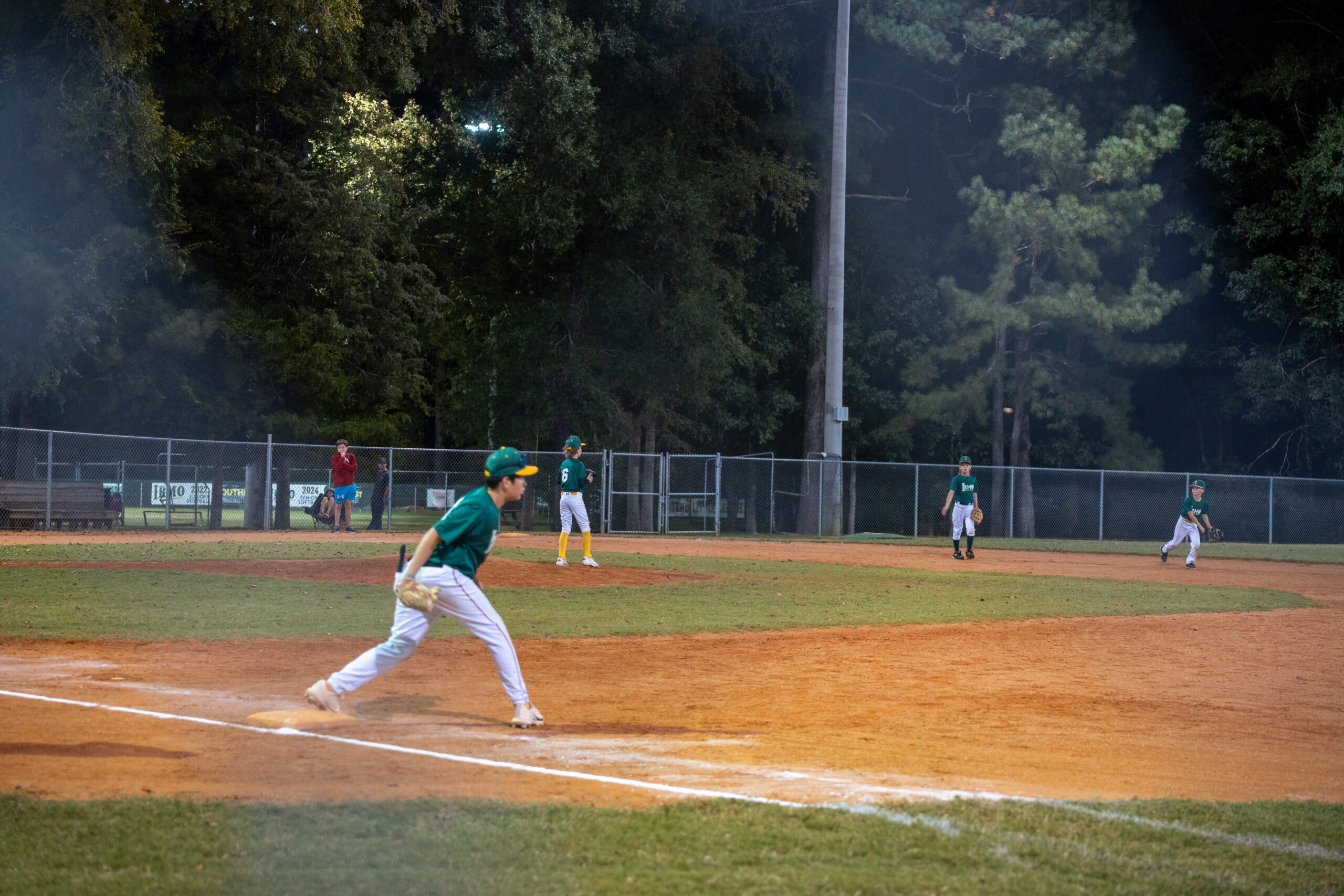
If you’re a parent and you have a son or daughter who wants to play ball, you basically have two choices: rec or travel ball.
Recreational baseball programs such as Little League don’t always have a great reputation because they aren’t necessarily recognized as competitive as travel ball. Even the Giuliettis were skeptical.
Before arriving in Irmo because of a career move, they lived in Texas. There, Joe seemed to out-grow Little League ball. He always had a strong arm. In Williamsport, Joe never gave up a hit.
“The coaches (in Texas) were trying to teach him to either roll it or to throw a rainbow,” Jill Giulietti said. That was because they worried Joe would “take someone’s face off.” So, to put Joe in a more competitive baseball environment, the Giuliettis turned to travel ball.
That’s where they believed the best players had the best opportunities. They had no idea Irmo was such a baseball haven.
While the popularity of travel ball has skyrocketed, Irmo Little League hasn’t been affected because of the program’s commitment to letting travel and rec play coexist. The two sometimes conflict in scheduling.
Before Jenson was league president, Justun Baxter held the position for eight years and he bought into travel ball rather than trying to work separately from it.
“Justun got them involved with our concession stand and stuff like that, to where you can make a little extra money to help your travel ball team expenses,” Jenson said about Baxter’s approach. “That got travel ball players to come back (for Little League).”
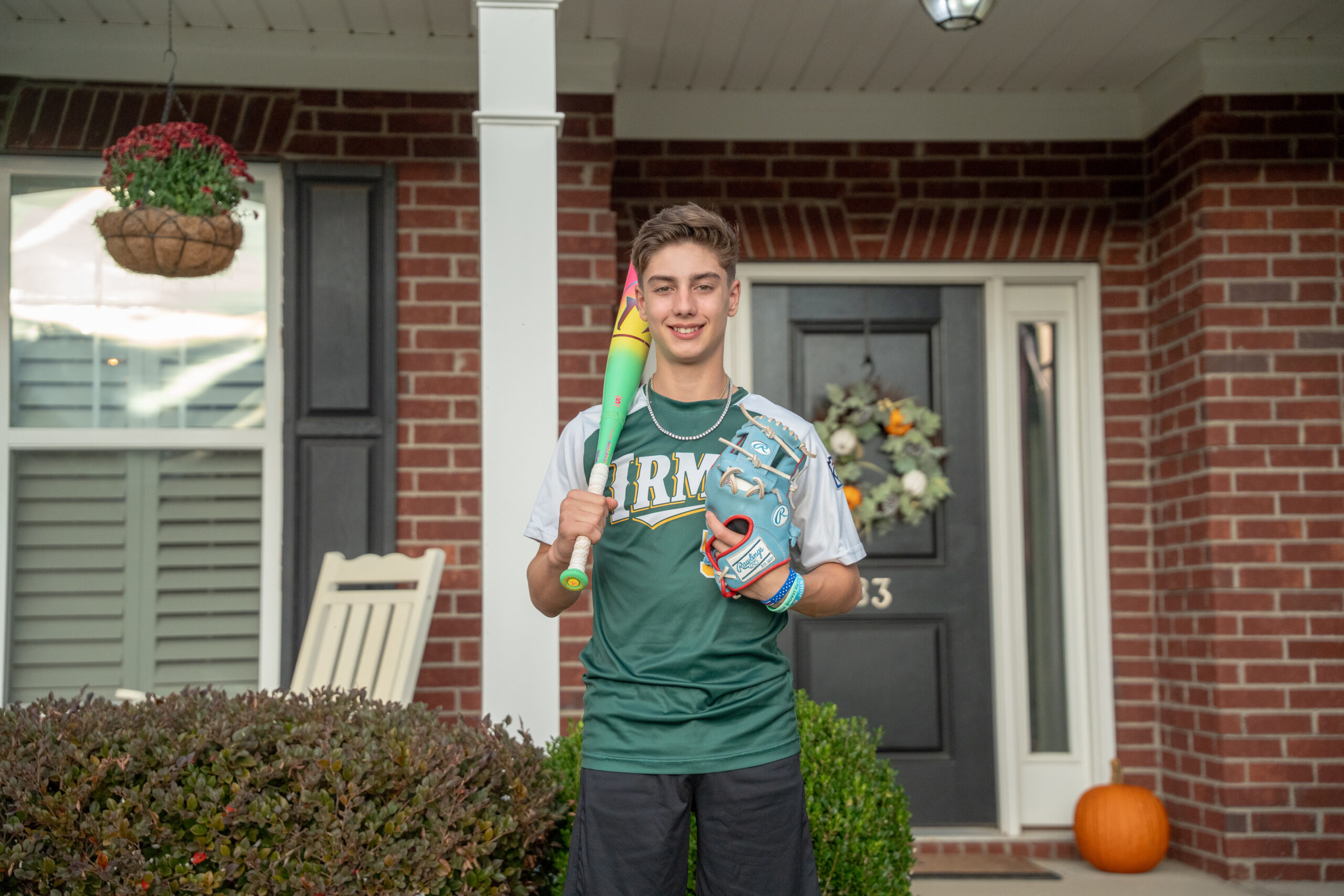
Irmo Little League refrains from having its games on the weekend because that’s when travel tournaments are typically held. Now when those tournaments use Friarsgate fields, all concession sales go back to Irmo Little League. Jensen and other volunteers are typically outside of the concession stand under a tent working the grill all afternoon.
While Irmo Little League prevents travel teams from staying together — players get divided among all teams in their age group — it ultimately makes the spring regular season games more competitive.
“They get to play against each other, pitching against each other, hitting against each other, it brings back that excitement to the travel ball players,” Jensen said. “You get the better players in your zip codes and success can happen.”
Because of its recent success, Irmo Little League is expecting to have close to 1,000 kids playing baseball and softball in the spring. This fall, a record 43 teams (nearly 500 kids) played, which is nearly double the amount of participation compared with when Jensen first got involved 15 years ago.
And for a sport like softball, the popularity and excitement are only continuing to grow.
Sarah Minchew coached her daughter, Ainsley, in the junior softball Little League World Series last summer. Sarah grew up playing the game, but Ainsley was a dancer before becoming a lights-out pitcher. Sarah sees a drastic difference in the sport’s popularity because of the exposure collegiate softball now receives.
“The diamond sports, to me, are some of the most difficult games because you have to be really athletic, but you also have to be really skilled,” Sarah said. “You can’t just get by with athleticism, you have to really commit yourself to being a good skilled player too, so it’s unique in that regard, but I think girls are putting in more time than they ever have historically to this game.”
Irmo currently has its highest participation in softball with at least 250 girls expected in the spring and about 150 playing this fall.
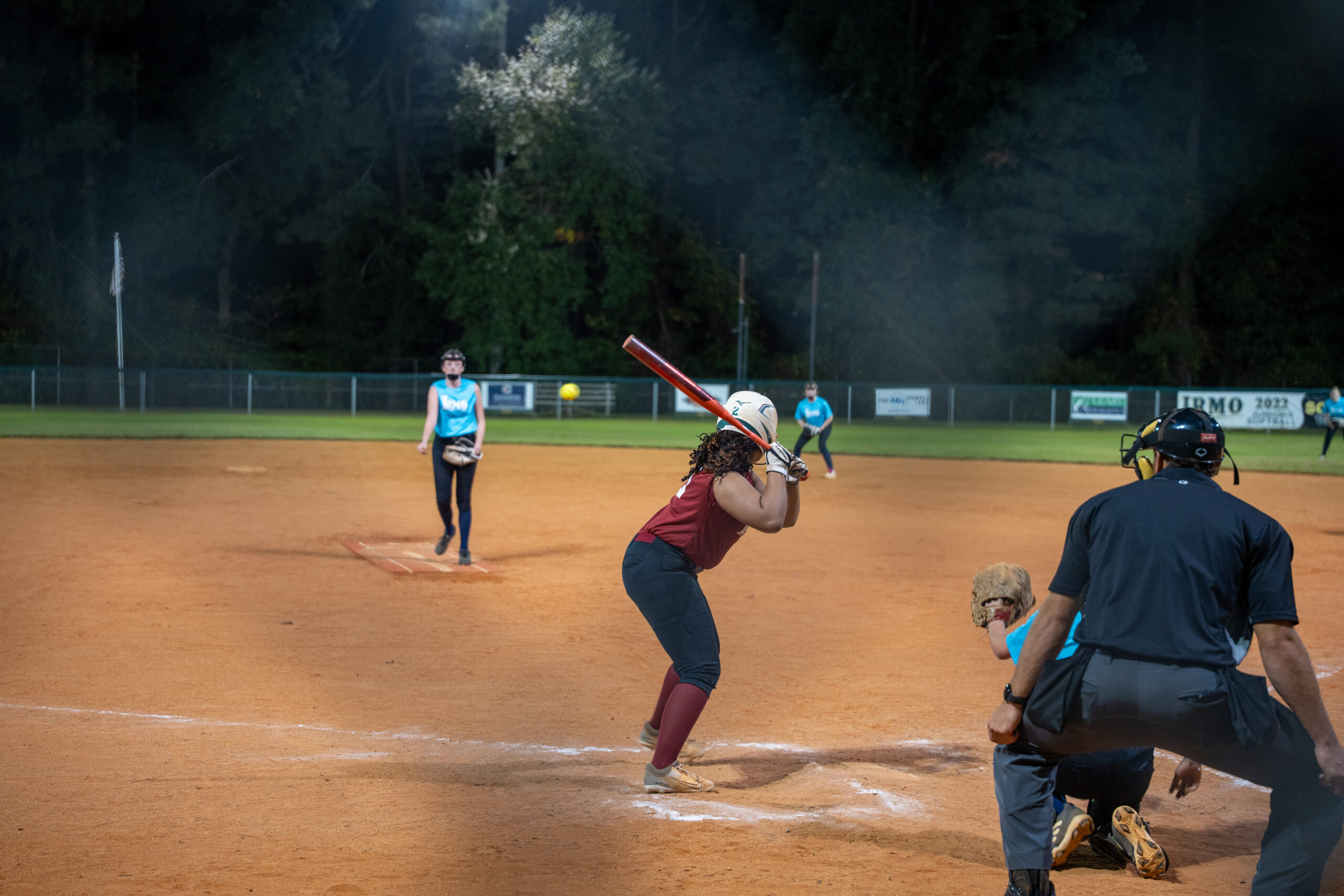
Jensen and Baxter spend nearly 40 hours every week at Friarsgate and that’s in addition to their full-time jobs. Irmo Little League is run entirely by volunteers and most parents are highly involved in the league’s operation.
There are about 200 volunteers, but Baxter said only about five “put in way too much time.” Even though his kids are too old to still play in Irmo Little League, he wouldn’t do anything differently.
“This is my home,” Baxter said, adding that he believes this league is so successful because “it’s 80% family, 20% baseball.”
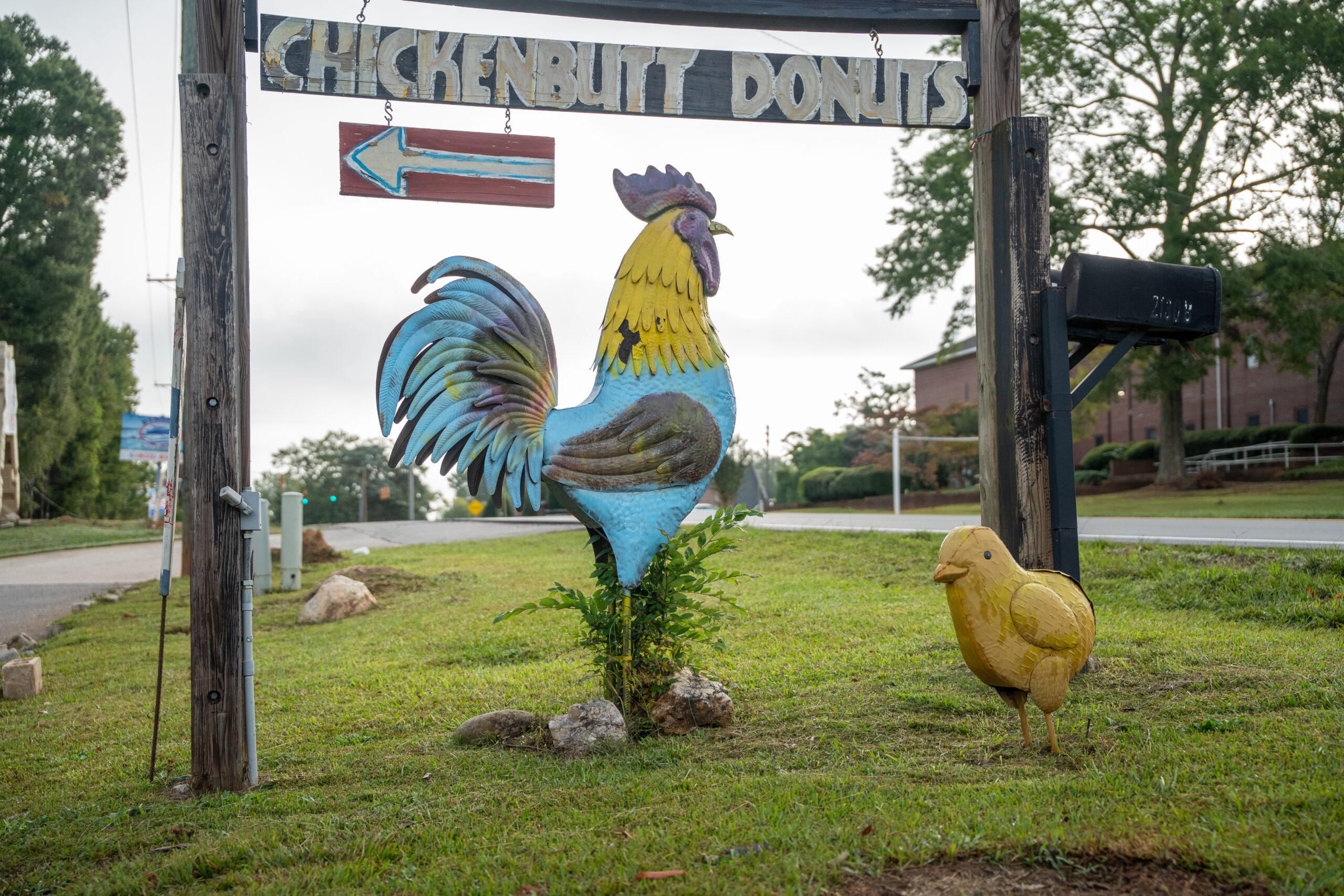
Irmo is a place where many people grow up and eventually move back to and start businesses. Tre Dabney opened Chickenbutt Donuts seven years ago with his wife. He grew up in Irmo and played Little League — now he’s a sponsor of the program.
“There just hasn’t been a better place that I’ve been,” Dabney said. “And it really seems like the rest of the country is figuring it out. The secret is kind of out.”
Chickenbutt Donuts was a part of Irmo Little League’s largest fundraising year last season, supplying over 300 dozen donuts sold at the concession stand. Dabney does not see this partnership ending anytime soon.
“It’s great coaches and it’s great kids and it’s a great community supporting them along the way,” Dabney said. “When you see what they put on the field, it looks like magic, it looks like it’s just supernatural, but really, it’s about coaches working hard and kids working hard and the community putting the full force of their support behind all of them. And boy, howdy.”
In a town like Irmo, baseball is tradition. The community rallies behind its clubs and in September it hosted a town celebration for the four teams that made Little League World Series appearances.
“Success is when I come down here (to Friarsgate), am I seeing a bunch of smiling faces?” Jensen said. “Are siblings who you see at other sports maybe getting dragged by the hand out of the car because their brother or sister is playing? Versus, when they get out of the car here, and they’re running to see their friends. That, to me, is success.”
Sunflower seeds coat the ground from underneath the bleachers where parents keep a close eye on the game. Siblings and other kids are running around, even tossing rocks in the air and trying to hit them with sticks while baseball is played all around them.
“You have so many people come out that are not even having to be here that night but are coming just because it’s so much fun,” Jensen said.
In the rare moments when not all of the Friarsgate fields are occupied, the lights remain on.
Kids often just play sandlot ball on the fields, nothing serious, just fun. Friends are made during pick-up games of catch or impromptu hitting practice.
“I’m sure this happens at lots of Little Leagues, I’m not saying it doesn’t, but that’s the kind of thing that makes it special,” Bogan said mid-interview, when he noticed a group of kids randomly playing together. “I don’t even know how well (they know each other) but they’re out there playing and they’re just goofing off.
“It’s just a fever about playing baseball.”
Joe, the slugger/pitching star for Irmo, certainly has that fever. After coming back from Williamsport, the first thing he did was pick up a bat and started swinging in the back yard.
“If we were the ones pushing him, I feel like it wouldn’t be right, but he wants to do it,” said his father, Jason Giulietti.
Members of last year’s All-Star teams are still deciding if they will return to Irmo Little League or not. The divisions they compete in are changing as the kids get older. But no one wants to think about next year yet — the accomplishment of making it to a Little League World Series is still sinking in.
“Imagine having a great Thanksgiving dinner and you’re just stuffed and you’ve had a great experience, you wouldn’t trade it for anything and then people say ‘Well what are you going to do for breakfast tomorrow?’ Like, you’re not ready to think about it,” Bogan said, referring to a conversation he had with his wife about baseball decisions for next spring. “That’s kind of where we’re at. We’re not really ready to think about it.”
But if not Bogan, someone will coach Irmo Little league next year. And kids will certainly be ready to play. And Friarsgate will be ready to greet them.

Here’s your chance to vote for the 2026 SABR Analytics Conference Research Awards winners.
The SABR Analytics Conference Research Awards will recognize baseball researchers who have completed the best work of original analysis or commentary during the preceding calendar year. Nominations were solicited by representatives from SABR, Baseball Prospectus, FanGraphs, the Internet Baseball Writers Association of America, and Sports Info Solutions.
To read any of the finalists, click on the link below. Scroll down to cast your vote.
Contemporary Analysis
Contemporary Commentary
Historical Analysis/Commentary
John Dewan Defensive Analysis
Voting will be open through 11:59 p.m. MST on Friday, February 6, 2026.
Mobile or Safari users, click here to access the survey
Results will be announced and presented at the SABR Analytics Conference, February 27-March 1, 2026, in Phoenix, Arizona. Learn more or register for the conference at SABR.org/analytics.
This year’s Hall of Fame ballot included three former Philadelphia Phillies position players, none of whom received the necessary 319 votes (out of 425 cast) to gain election. Chase Utley fared best with 251 votes (59.1%), while Bobby Abreu got 131 (30.8%), and Jimmy Rollins received 108 (25.4%). As did my colleagues Jay Jaffe and Dan Szymborski, I put checkmarks next to Abreu’s and Utley’s names, but not Rollins’s.
How did other BBWAA voters choose among the Phillies trio? A comprehensive answer isn’t possible — not everyone makes their ballots public — but we do know about the 260 voters whose selections were shared on Ryan Thibodaux’s Ballot Tracker. Here is the breakdown as of yesterday afternoon courtesy of the Tracker’s Anthony Calamis:
66 voted for none of the three.
25 had all three.
52 had only Utley.
9 had only Abreu.
3 had only Rollins.
63 had Utley and Abreu, but not Rollins.
42 had Utley and Rollins, but not Abreu.
As for the players’ relative merit, that is in the eye of the beholder. Reasonable arguments, both for and against, can be made for all three former Phillies by prioritizing specific statistics and accolades — or even reputations (none of Abreu, Rollins, or Utley have been tainted by scandal). Read the rest of this entry »
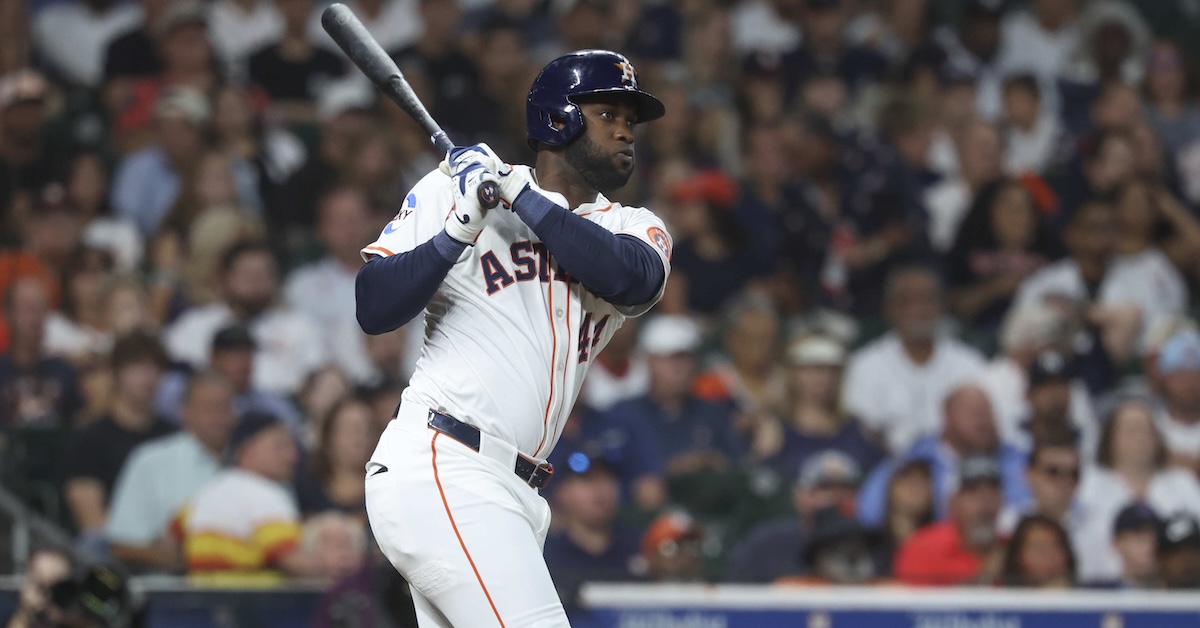
At this time last week, the Mets were celebrating their signing of Bo Bichette. Up until that point, though, their offseason was largely being viewed as a letdown as they assembled an oddly shaped roster. Earlier this winter, they watched as Edwin Díaz spurned them for the Dodgers, let Pete Alonso walk and then signed Jorge Polanco to play first base, and missed out on Kyle Tucker. Sure, they upgraded at second base with the Marcus Semien trade, but doing so required them to part with Brandon Nimmo, who was coming off a year in which he hit a career-high 25 home runs and posted 3.0 WAR. They decided to replace that production with 23-year-old Top 100 prospect Carson Benge, who had a 53 wRC+ in 103 Triple-A plate appearances last season, as the big spoon of a platoon in left field. They also reinforced their bullpen with two of the more inconsistent members of the 2025 Yankees’ relief corps, Devin Williams and Luke Weaver. These weren’t bad moves, to be clear. Williams especially is a strong bounce-back candidate; Polanco is a quality player, though his entire experience at first base consists of one defensive plate appearance; and Semien fulfills the team’s desire to get better defensively. But they were a bit puzzling given that the Mets’ greatest areas of need were another impact bat, a center fielder, and a frontline starting pitcher.
As it turns out, adding Bichette was just the first in a trio of acquisitions to address those major roster holes. Late Tuesday night, the Mets traded for center fielder Luis Robert Jr., who is coming off two straight seasons of injuries and poor performance but is still a tantalizing talent and just 28 years old. “If you made an outfielder in a lab, he’d look a lot like this,” wrote Ben Clemens about Robert after the trade. Then, on Wednesday, they swung a swap with the Brewers for All-Star right-hander Freddy Peralta to anchor their rotation. They had to give up two of their top prospects to get him, but as Davy Andrews noted in his column on the trade, “the Mets are trying to win this season, and now that he’s not in Milwaukee, David Stearns has the luxury of leaving tomorrow’s problems for tomorrow.”
We won’t be answering any questions about the Mets or any of the other big recent transactions, such as Cody Bellinger’s re-signing with the Yankees or the Rangers’ trade for MacKenzie Gore, but we will be talking about the other big baseball topic of the week: the Hall of Fame. We’ll also discuss the best left-on-left hitters of all time, the aesthetic potential of the Colorado Rockies, and what to expect from Foster Griffin with the Nationals. But first, I’d like to remind you that this mailbag is exclusive to FanGraphs Members. If you aren’t yet a Member and would like to keep reading, you can sign up for a Membership here. It’s the best way to both experience the site and support our staff, and it comes with a bunch of other great benefits. Also, if you’d like to ask a question for an upcoming mailbag, send me an email at mailbag@fangraphs.com. Read the rest of this entry »

Ben Lindbergh and Meg Rowley banter about the MacKenzie Gore trade, the trajectories of the Rangers and Nationals since their respective World Series victories, and why the White Sox signed Seranthony Domínguez. Then (29:38) they bring on baseball buds Brent Rooker and Vinnie Pasquantino for a wide-ranging conversation about their scrapped podcasting plans, the Royals remodeling Kauffman Stadium, how Sutter Health Park played, the good and bad of bat-speed training, the challenge system, Brent’s sinking strikeout rate, the best breakfasts, the Pasqwich, A’s outfield defense, Nick Kurtz and Jac Caglianone, playing with Rich Hill, A’s extensions, playing 162 games, why they haven’t become 30-30 guys, arbitration, players’ pre-lockout messaging, an offseason signing deadline, Vinnie’s interactions with Shohei Ohtani, the WBC, the weather, and more. Finally (1:38:25), Ben shares listener responses about Andruw Jones and outfield diving.
Audio intro: Dave Armstrong and Mike Murray, “Effectively Wild Theme”
Audio interstitial: Austin Klewan, “Effectively Wild Theme”
Audio outro: Harold Walker, “Effectively Wild Theme”
Link to FG post on Gore trade
Link to FG post on traded prospects
Link to “jersey guy” discussion
Link to team losses post-2019
Link to team SP projections
Link to Ben on Sale in 2018
Link to Sox pen rank
Link to MLBTR on Domínguez
Link to first Rooker pod appearance
Link to second Rooker appearance
Link to Episode 1875
Link to Episode 1988
Link to lowest WARs in April
Link to Brent’s Twitter taunt
Link to Vinnie on the canceled podcast
Link to story on Vinnie’s slow start
Link to story on Muncy’s eyewear
Link to bat speed article
Link to Brent on bat speed
Link to bat speed data
Link to Vinnie on the fence changes
Link to Brent on breakfast
Link to Vinnie on Italian breakfast
Link to Pasqwich tweet
Link to Pasqwich article
Link to Baseball Savant park factors
Link to FG park factors
Link to Kauffman batter’s eye comments
Link to more Kauffman batter’s eye comments
Link to visibility by ballpark
Link to Brent’s lone Royals hit
Link to Lowe comments
Link to story on Vinnie and Jac
Link to MLBTR on Brent’s extension
Link to MLBTR on A’s extensions
Link to Vinnie on extensions
Link to Vinnie on arbitration
Link to iron man Rooker
Link to sprint speeds
Link to signing deadline tweet 1
Link to signing deadline tweet 2
Link to Soderstrom article
Link to Vinnie’s “WTF” tweet
Link to Vinnie and Ohtani
Link to Brent and Ohtani
Link to Team Italy WBC roster
Link to Brent’s weather tweet
Link to Trout’s response
Link to Brent’s “weather boy” tweet
Link to “weather boy” meme
Link to Bledsoe Agency
Link to Pham suspension story
Link to Pham Insta post
Link to Episode 2430
Link to Bloomquist on Ichiro
Link to Pillar/White article
 Sponsor Us on Patreon
 Give a Gift Subscription
 Email Us: podcast@fangraphs.com
 Effectively Wild Subreddit
 Effectively Wild Wiki
 Apple Podcasts Feed
 Spotify Feed
 YouTube Playlist
 Facebook Group
 Bluesky Account
 Twitter Account
 Get Our Merch!
Podcast (effectively-wild): Play in new window | Download
Subscribe: RSS
After a valiant editing effort from Matt Martell last week, I’m back with a Matrix Reloaded of a much more normal length! The Significant Signings section might not be necessary for too much longer this offseason, but I’ll continue to start there as long as players are signing for $10 million or more.
As always, the Offseason Matrices document can be found here.
Effect on the Yankees
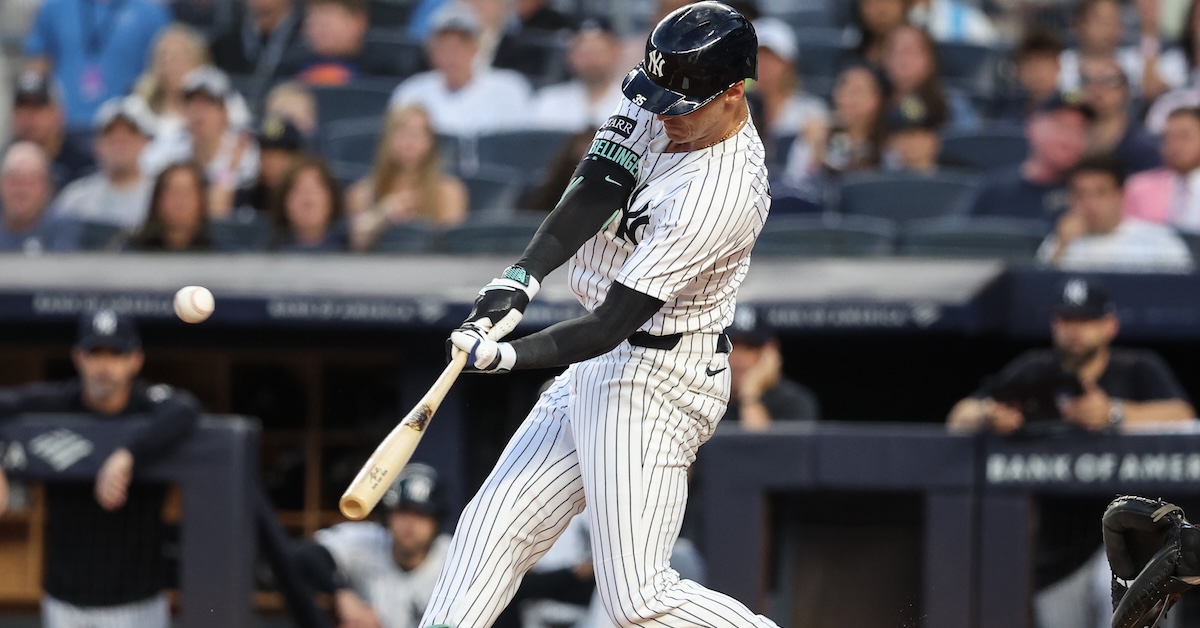
The overarching theme of the Yankees’ offseason has been to get the band back together, with Bellinger the cherry on top of a very familiar sundae. Ryan Weathers is the team’s one major acquisition from another club, with Bellinger the fifth Yankees free agent re-signed, after Trent Grisham, Ryan Yarbrough, Amed Rosario, and Paul Blackburn. Read the rest of this entry »

One of the reasons I’ve enjoyed tracking We Trieds over the past year is that there’s so much gray area involved. When a team gets the word out that it was also interested in a player who signed with another team, that information takes a circuitous journey. Its source is indeterminate. It’s usually laundered through one or several reporters. When it finally makes its way into the discourse, it emerges on social media, slips out during a podcast, or appears in boldface at the top of a sports section. You’re never quite sure whether the phrasing comes from the reporter or the source or some combination of the two. Most importantly, you never know how much truth is behind it.
The Mets “had some interest” in Pete Alonso, “showed interest” in Raisel Iglesias, “checked in on” Robert Suarez, and “made a reasonable try” for Tyler Rogers. Which player did they want the most? Which player did they expend the most effort to land? Even if you have strong opinions about what all of those words actually mean, you can’t ever be sure. The absence of hard facts leaves plenty of room for interpretation and silly jokes. Today, however, we’re going to focus on two We Trieds that seem, if anything, too real. Will we still make stupid jokes? Yes, we will. We will make them extra stupid. That’s not just our right; it’s our sacred duty. Read the rest of this entry »